
Chloramine B has become an essential component in both industrial and laboratory workflows due to its stability, controlled reactivity, and broad applicability. While widely used for disinfection and chemical reactions, achieving consistent efficiency requires understanding its handling, storage, and application nuances. In this blog post, Zhejiang Kingvolt, as high quality industrial fine chemicals manufacturer, will share the CAS No.: 127-52-6 Chloramine B solutions for industrial and laboratory environment.
Optimizing the Use of Chloramine B in Industrial Environments
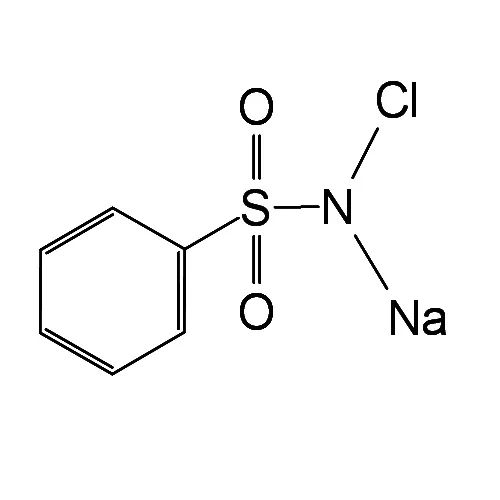
In industrial operations, Chloramine B is valued for its stability and relatively mild oxidative properties compared with other chlorine-based agents. The compound’s chemical profile, including Benzenesulfonechloramide Sodium Salt and its molecular structure C6H5SO2NClNa, allows for long-term storage with minimal loss of active chlorine. Observations show that airtight storage under dry conditions preserves up to 99% purity and 27% active chlorine over a one-year period, making it highly reliable for continuous industrial use.
When integrating Chloramine B into production processes, it is critical to monitor environmental factors such as temperature, humidity, and exposure to light. Excessive moisture or heat can accelerate degradation, reducing effectiveness and potentially compromising safety. Professionals recommend maintaining material in controlled storage units and limiting exposure during transfer and handling, ensuring that chemical performance remains consistent across multiple batches.
Laboratory Handling Practices for CAS No 127-52-6
For laboratory settings, CAS No 127-52-6 requires precise handling to achieve predictable reactions. Its moderate solubility in water allows controlled oxidative reactions without the extreme reactivity observed in hypochlorous acid. Users have found that pre-weighing reagents in inert containers and regulating pH levels improves reproducibility while minimizing potential side reactions.
The compound’s molecular formula, C6H5ClNNaO2S, highlights its capacity for controlled oxidation. Adjusting reaction parameters such as temperature, concentration, and exposure duration allows chemists to tailor oxidative processes to specific substrates. This level of control is particularly important in complex syntheses where selectivity and material integrity are critical.
Selecting Trusted Chloramine B Wholesaler
Reliable procurement is a foundational element of operational efficiency. Engaging with a reputable Chloramine B wholesaler ensures consistent quality, verified purity, and regulatory compliance. Suppliers providing documentation for CAS No 127-52-6 and batch traceability minimize the risk of variations in active chlorine content and stability.
Industrial professionals emphasize that supplier reliability directly impacts process efficiency. Variations in chemical performance due to inconsistent supply can delay production schedules and reduce output quality. Therefore, working with experienced wholesalers familiar with Benzenesulfonechloramide Sodium Salt ensures that material integrity is maintained, even in high-demand scenarios.
Storage and Stability Insights for C6H5ClNNaO2S
Storage and stability are critical for maintaining Chloramine B efficacy. Experience indicates that even minor deviations from recommended storage conditions—cool, dry, and airtight—can compromise active chlorine levels. The compound’s slow degradation rate under proper storage conditions is a major advantage, allowing for long-term inventory management without frequent replenishment.
For laboratory and industrial use alike, practitioners recommend minimal handling and the use of opaque containers to limit light exposure. This approach reduces the risk of early degradation and maintains consistent oxidative performance, which is crucial for processes requiring precise chlorine dosing.
Maximizing Disinfection Efficiency with Chloramine B
Chloramine B’s primary application remains as an organochlorine disinfectant. Its slightly lower solubility in water and controlled release of active chlorine makes it ideal for applications requiring sustained antimicrobial activity. In industrial facilities, it is commonly employed to disinfect drinking water containers, tableware, fruits, vegetables, and aquaculture water, with concentrations carefully adjusted for efficacy and safety.
In laboratory and controlled production environments, the slower oxidative activity compared to hypochlorous acid can be leveraged to achieve steady-state reactions. This characteristic is particularly valuable in processes where rapid oxidation could damage sensitive equipment or interfere with downstream reactions. By optimizing concentration and exposure time, operators can maximize efficiency while minimizing corrosive effects.
Chemical Handling and Safety Practices
Handling Chloramine B safely is a recurring priority in both industrial and laboratory settings. Despite its relatively mild stimulating and corrosive properties, strict adherence to protective measures is essential. Gloves, eye protection, and ventilation are recommended to prevent exposure to dust or reaction fumes.
Experience highlights that consistent monitoring of iron content, heavy metal levels, and pH can prevent unintended side reactions, particularly in multi-step chemical processes. Maintaining an internal pH range of 9.0–11.0 ensures stable performance, while controlling impurities limits the formation of undesirable byproducts.
Leveraging Benzenesulfonechloramide Sodium Salt in Process Optimization
Benzenesulfonechloramide Sodium Salt is a valuable tool in controlled oxidation applications. Its stability and predictable reactivity allow chemists to conduct precise transformations without the risks associated with more aggressive oxidants. Operational insights suggest that pre-conditioning solvents, adjusting reaction temperatures incrementally, and carefully measuring reagent quantities enhance efficiency and reproducibility.
Industrial teams applying this compound often benefit from batch-specific testing to confirm active chlorine levels before use. This proactive approach minimizes variability and ensures that large-scale reactions proceed as planned, reducing waste and optimizing material utilization.
Regulatory Compliance and Documentation
Compliance with chemical regulations for CAS No 127-52-6 is a critical component of operational efficiency. Accurate labeling, documentation of storage conditions, and adherence to regional chemical safety standards are essential. Professionals report that incorporating regulatory checks into standard operating procedures prevents delays and enhances workplace safety.
Furthermore, maintaining clear records of chemical performance—purity, active chlorine content, and stability over time—supports both internal quality control and external audits. This documentation is particularly important when sourcing Chloramine B from wholesalers, as traceability ensures accountability and mitigates potential risks.
Future Applications and Industry Trends
The versatility of Chloramine B ensures that it continues to find new applications in both industrial and laboratory contexts. Advances in controlled oxidation processes, sustainable disinfection strategies, and precision chemistry are driving broader adoption. Experience-driven insights indicate that integrating Chloramine B with complementary reagents and modern process controls can expand its utility while maintaining safety and efficiency.
Ongoing research into enhanced formulations and delivery methods is likely to improve solubility, reaction speed, and operational flexibility. These innovations will allow organizations to leverage the compound more effectively across high-demand production and complex laboratory applications.
Conclusion
Chloramine B, whether referenced as Benzenesulfonechloramide Sodium Salt, CAS No 127-52-6, or C6H5ClNNaO2S, offers unmatched stability, controllable reactivity, and operational reliability for industrial and laboratory processes. Effective utilization depends on careful handling, informed procurement from a trusted Chloramine B wholesaler, and adherence to storage and safety protocols. By combining experience-based practices with process monitoring, professionals can maximize efficiency, maintain consistent quality, and unlock the full potential of this versatile compound.
www.kingvolt.com
Zhejiang Kingvolt





+ There are no comments
Add yours