
In modern HVAC design, achieving precision air distribution while maintaining architectural elegance requires a careful balance of engineering and craftsmanship. Single slot diffuser manufacturing has evolved significantly over the past decade, combining advanced materials, aerodynamic design, and versatile mounting solutions to meet the demands of both high-performance systems and aesthetically demanding projects. In this blog post, Tanto, as high performance linear slot diffuser solutions provider, will share the features of single slot diffuser manufacturing techniques for airflow control.
Material Selection and Its Impact on Single Slot Diffuser Manufacturing
Material choice is a critical factor in single slot diffuser manufacturing, as it directly affects durability, air distribution performance, and long-term maintenance. High-quality extruded aluminum is widely favored due to its lightweight nature, structural stability, and resistance to corrosion. Aluminum also allows for precise aerodynamic shaping of blades, which ensures uniform airflow patterns even at low velocities—an essential factor for VAV systems.
Beyond aluminum, specialized coatings and finishes, such as powder coating or anodizing, not only enhance aesthetic appeal but also improve surface resistance against environmental factors. Manufacturers must carefully assess material suppliers, verifying dimensional tolerances and metallurgical consistency to avoid downstream performance issues during installation.
Precision Engineering in Single Slot Diffuser Design
One of the hallmarks of successful single slot diffuser manufacturing is precision engineering of airflow components. The aerodynamic blades are often adjustable, allowing engineers to fine-tune the horizontal distribution pattern to meet project-specific requirements. In practice, maintaining consistent slot widths—ranging from ½ inch to 1½ inches—is essential for predictable airflow characteristics.
During manufacturing, computer-aided design (CAD) and computational fluid dynamics (CFD) simulations are increasingly integrated to validate blade geometry. These simulations help ensure that the diffusers provide minimal turbulence, reduced noise levels, and consistent coverage across multiple installation configurations. By emphasizing precision at the design stage, manufacturers can minimize costly post-production adjustments.
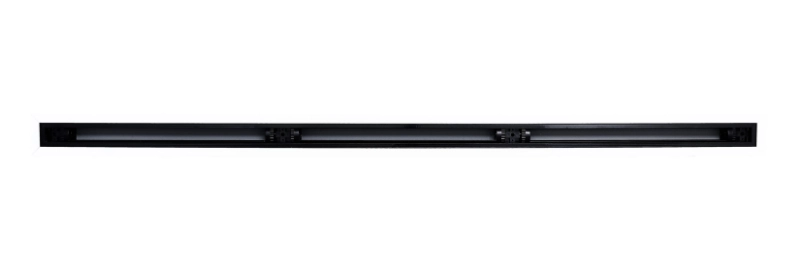
Manufacturing Techniques for Enhanced Diffuser Performance
The manufacturing process of single slot diffusers involves several key techniques that influence both performance and appearance. Extrusion and CNC machining are commonly used to create blades and frame components with tight tolerances. Roller-assisted forming, when applied to plate-type diffusers, ensures accurate curvature and alignment across continuous lengths.
Assembly and finishing steps are equally important. Diffuser frames must be securely joined, corners mitered cleanly, and accessories such as blank-off strips integrated seamlessly. The use of automated assembly tools can increase repeatability while maintaining flexibility for custom slot quantities and multiple slot configurations.
Customization Options in Single Slot Diffuser Manufacturing
High-end architectural applications often demand a high degree of customization, which makes flexible manufacturing capabilities essential. Single slot diffusers can be configured in multiple ways, including:
-
Slot Quantity: Single slot diffusers can be designed as single, double, or multiple slot units, providing a range of airflow capacities without compromising visual minimalism.
-
Style Options: Decorative or minimalist grilles allow diffusers to blend into contemporary ceilings or serve as visible design features.
-
Mounting Types: Roller-assisted and plate-type diffusers accommodate both exposed and recessed installations, expanding the application range.
-
Plenum Compatibility: Sloped or square plenums can be tailored to support specific airflow dynamics, particularly in VAV and variable-pressure systems.
This customization ensures that each diffuser aligns with both HVAC system requirements and architectural vision, reinforcing the value of precise single slot diffuser manufacturing.
Quality Control Strategies for Single Slot Diffusers
Implementing rigorous quality control measures is critical in single slot diffuser manufacturing. Key inspection points include dimensional verification, airflow testing, and finish quality. Dimensional checks ensure that slot widths and frame dimensions meet design specifications, which directly affects airflow uniformity.
Airflow testing, conducted using laboratory-grade anemometers or wind tunnel simulations, validates the diffuser’s performance under varying pressures and volumes. Special attention should be paid to low-flow conditions, where aerodynamic stability is most critical. Manufacturers should also monitor surface finish integrity to prevent corrosion or discoloration over time.
Integration with VAV Systems and HVAC Performance Optimization
Single slot diffusers are often utilized in Variable Air Volume (VAV) systems, where stable airflow patterns and low-noise operation are paramount. In manufacturing, this requires precise calibration of blade angles and consideration of upstream duct conditions. Misalignment or inconsistent slot widths can lead to turbulence, uneven cooling or heating, and increased energy consumption.
Manufacturers increasingly adopt modular design principles to facilitate easy field adjustments. This ensures that diffusers can be installed in continuous lengths while allowing system integrators to maintain consistent performance across multiple zones.
Long-Term Maintenance Considerations in Manufacturing Design
Another key aspect often overlooked in single slot diffuser manufacturing is long-term maintenance. Products designed for easy access to blades and plenum interiors simplify cleaning and minimize disruption during routine HVAC maintenance. Removable grille designs, combined with durable finishes, reduce the risk of corrosion or paint degradation over time.
Additionally, standardized accessories such as blank-off strips and mitered corner sections not only aid in installation but also allow for future modifications without replacing entire diffuser sections. Anticipating maintenance needs during the manufacturing phase enhances customer satisfaction and reduces lifecycle costs.
Environmental and Sustainability Factors in Production
Sustainability is becoming increasingly central to single slot diffuser manufacturing. Using recyclable aluminum, minimizing machining waste, and selecting environmentally friendly coatings contribute to greener production processes. Manufacturers can also reduce the carbon footprint by optimizing extrusion and assembly workflows to minimize energy consumption.
Moreover, efficient single slot diffusers enhance HVAC system energy performance by ensuring precise air distribution, which reduces overall heating and cooling demand. Highlighting these environmental benefits is increasingly important for manufacturers targeting projects with strict sustainability criteria.
Trends and Future Directions in Diffuser Manufacturing
The future of single slot diffuser manufacturing is shaped by technological advances, digital integration, and evolving design trends. Emerging trends include:
-
Smart Airflow Control: Integration of sensor-enabled pattern controllers for real-time adjustment of airflow in response to occupancy and environmental conditions.
-
Seamless Continuous Length Systems: Innovations in mitered corners and modular connections allow for uninterrupted diffuser runs, enhancing both aesthetics and system efficiency.
-
Advanced Coatings and Finishes: Antimicrobial, self-cleaning, and reflective coatings are being explored to further improve indoor air quality and visual appeal.
-
Additive Manufacturing: 3D printing techniques are being investigated for producing complex diffuser geometries that were previously unattainable with traditional extrusion.
Adopting these trends in single slot diffuser manufacturing requires not only technical expertise but also collaboration across engineering, design, and production teams.
Best Practices for Consistent High-Quality Output
To achieve consistent excellence in single slot diffuser manufacturing, several best practices should be emphasized:
-
Design Verification Before Production: Utilize CFD and prototype testing to validate airflow and ensure slot geometry consistency.
-
Material Traceability: Document batch origins and specifications to maintain uniformity in extrusion and finish quality.
-
Automated and Manual Inspection: Combine automated measurement systems with visual inspections to catch both dimensional and aesthetic defects.
-
Modular Assembly Workflow: Standardize components to streamline production while maintaining flexibility for custom projects.
-
Continuous Training: Educate production staff on aerodynamic principles, material handling, and finishing techniques to reduce variability.
These practices reduce rework, enhance performance reliability, and strengthen the reputation of manufacturers specializing in single slot diffuser production.
Conclusion
Single slot diffuser manufacturing has evolved into a sophisticated discipline that balances precise engineering, material science, and architectural sensitivity. From material selection and aerodynamic blade design to quality control, customization, and sustainability considerations, every step in the manufacturing process influences the performance, longevity, and aesthetic appeal of the final product. By adopting advanced production techniques, rigorous testing protocols, and forward-looking design trends, manufacturers can deliver diffusers that not only meet modern HVAC system requirements but also elevate the visual standards of high-end architectural projects.
Focusing on these aspects ensures that single slot diffusers remain a benchmark for excellence in both performance and design, providing architects, engineers, and end-users with a reliable, versatile, and visually cohesive solution for contemporary air distribution challenges.
www.tantotrade.com
Tanto




+ There are no comments
Add yours