
Decorative architectural glass has emerged as one of the most versatile and visually appealing elements in modern architecture. Beyond its traditional role as a mere barrier or partition, decorative glass now serves a dual purpose: providing functionality while enhancing the aesthetic appeal of any space. From residential homes to commercial buildings, this innovative material is transforming interiors and exteriors alike, offering architects, designers, and property owners an opportunity to blend practicality with artistic expression.
Understanding Decorative Architectural Glass
At its core, decorative architectural glass refers to any glass material treated, textured, or designed to add a unique visual dimension to a structure while retaining its fundamental properties. Unlike plain glass, which focuses primarily on transparency and protection, decorative glass incorporates elements such as patterns, colors, textures, and even embedded objects to create distinctive visual effects.
Common types of decorative architectural glass include:
-
Frosted Glass: Provides privacy while allowing natural light to pass through, often used in office partitions, bathroom enclosures, and conference rooms.
-
Etched Glass: Features intricate designs carved or sandblasted into the surface, offering a sophisticated look for entry doors, partitions, and wall panels.
-
Colored Glass: Available in a variety of hues, it adds vibrancy and character to interior and exterior spaces.
-
Laminated Glass: Combines safety and design by embedding decorative films or patterns between layers of glass.
-
Textured or Patterned Glass: Includes ribbed, rippled, or patterned surfaces, providing both privacy and tactile interest.
Each type serves different design needs, ensuring that functionality and aesthetics can coexist harmoniously.
Functionality: Beyond Mere Transparency
Decorative architectural glass is not just about visual appeal. Its functionality makes it indispensable in modern building design:
1. Privacy and Security
One of the primary functions of decorative glass is to offer privacy without sacrificing light. Frosted, etched, or textured glass can prevent outsiders from peering into sensitive areas, such as office spaces, bathrooms, or residential rooms, while maintaining an open and airy feel. Laminated decorative glass, in particular, adds a layer of safety, as it holds together when shattered, reducing the risk of injury.
2. Light Management
Glass is naturally a light-transmitting material. By manipulating its decorative features, architects can control the quality and intensity of natural light entering a space. Frosted or patterned surfaces diffuse sunlight, minimizing glare and creating soft, ambient illumination. This not only improves comfort but also reduces energy consumption by decreasing the need for artificial lighting.
3. Acoustic Control
Decorative glass can contribute to sound insulation, particularly in commercial buildings or shared office spaces. Laminated or layered decorative glass can dampen noise transmission, providing a quieter environment without compromising design aesthetics.
4. Thermal Insulation and Energy Efficiency
Advancements in glass technology allow decorative architectural glass to contribute to energy efficiency. Low-emissivity (Low-E) coatings, tinted layers, and double-glazing options can regulate heat transfer, helping maintain indoor temperatures and reduce energy costs. When integrated with decorative elements, these functional benefits do not compromise the overall design appeal.
Aesthetic Appeal: Transforming Spaces
While functionality is crucial, decorative architectural glass truly shines in its ability to enhance visual aesthetics. Here’s how it transforms spaces:
1. Visual Interest and Depth
Decorative glass introduces textures, patterns, and colors that add depth to otherwise flat surfaces. A wall of etched glass, for instance, can become a focal point in a lobby, capturing attention while creating an impression of sophistication. The interplay of light and shadows on textured surfaces further enriches spatial perception.
2. Artistic Expression
Glass can act as a canvas for artistic creativity. Designers often use decorative glass to convey cultural motifs, corporate branding, or bespoke artwork. For example, stained glass panels in public buildings or intricate patterns in high-end residences provide a unique identity, elevating the interior design from ordinary to extraordinary.
3. Space Expansion
The transparent nature of glass inherently makes spaces feel larger and more open. When combined with decorative elements, it can visually expand compact areas without compromising privacy. Patterned or frosted glass partitions, for instance, can delineate different zones in an office while maintaining a sense of openness.
4. Harmonizing with Other Materials
Decorative architectural glass seamlessly integrates with other construction materials like wood, metal, or stone. Its reflective and translucent qualities complement different textures, colors, and finishes, enabling designers to achieve a balanced and cohesive aesthetic. In modern minimalist designs, glass often serves as a neutral yet impactful element that enhances the overall composition.
Applications Across Various Sectors
The versatility of decorative architectural glass makes it suitable for multiple applications across residential, commercial, and public spaces:
Residential Spaces
Homeowners use decorative glass for shower enclosures, cabinet doors, stair railings, windows, and room dividers. It not only enhances beauty but also provides privacy and safety in everyday living spaces. Colored or etched glass can reflect personal taste, while patterned glass can add a playful or sophisticated touch depending on design intent.
Commercial Buildings
In offices, decorative glass partitions and conference room walls foster a sense of openness while maintaining confidentiality. Retail stores use decorative glass for display cases, entrances, and show windows to attract customers and showcase products elegantly. Hotels and restaurants employ decorative glass for bars, elevators, and lobbies to create a luxurious and inviting atmosphere.
Public and Cultural Buildings
Museums, galleries, and civic buildings leverage decorative architectural glass to make bold statements. Stained or etched glass installations often convey cultural or historical narratives, enhancing the building’s identity and visitor experience. Additionally, decorative glass improves lighting and spatial flow in public areas, creating a welcoming environment.
Choosing the Right Decorative Architectural Glass
Selecting the appropriate decorative glass requires balancing functionality, aesthetics, and technical considerations:
-
Purpose: Determine whether the priority is privacy, light management, safety, or purely decorative appeal.
-
Location: Indoor vs. outdoor applications require different glass properties, such as UV resistance, durability, and weatherproofing.
-
Maintenance: Consider how easy it is to clean and maintain the glass, especially in high-traffic areas.
-
Compatibility: Ensure the glass complements other materials and design elements in the space.
-
Safety Standards: Check for compliance with local building codes and safety regulations, especially for laminated or tempered options.
Trends in Decorative Architectural Glass
As architecture evolves, several trends are shaping the decorative glass industry:
-
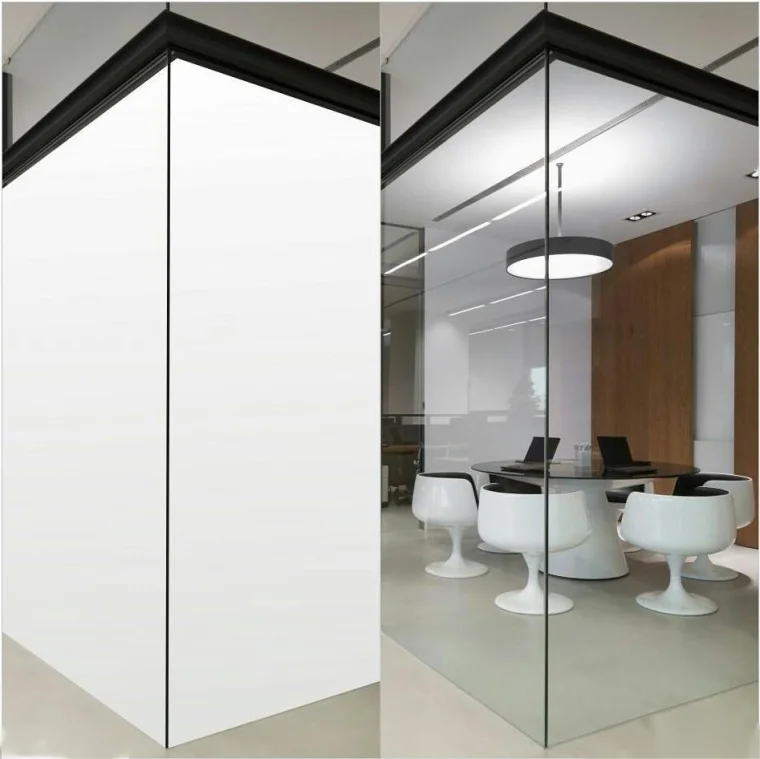
Smart Glass Integration: Electrochromic or switchable glass allows users to adjust transparency on demand, combining high-tech functionality with aesthetic flexibility.
-
Sustainable Glass Solutions: Recycled glass and low-energy production methods are gaining popularity among environmentally conscious designers.
-
Customizable Designs: Digital printing and laser etching allow intricate, bespoke designs that were previously impossible to achieve.
-
Combination with LED Lighting: Decorative glass paired with integrated lighting creates dynamic, interactive visual effects that enhance interiors.
Conclusion
Decorative architectural glass exemplifies the perfect synergy between functionality and aesthetics. By offering privacy, safety, energy efficiency, and acoustic control, it meets the practical demands of modern architecture. Simultaneously, its ability to introduce visual interest, artistic expression, and spatial elegance transforms ordinary spaces into extraordinary environments. Whether in residential, commercial, or public applications, decorative architectural glass empowers architects and designers to achieve innovative and visually captivating results.
In today’s world, where design and utility must coexist, decorative architectural glass stands as a testament to how materials can simultaneously serve practical purposes and elevate the art of architecture.
www.jxboxinglass.com
jxboxinglass







+ There are no comments
Add yours