
When venturing into the rugged world of UTV off-roading, choosing between flood beam and spot beam lighting can dramatically impact your safety, visibility, and overall trail experience. Understanding the fundamental differences between these two beam patterns—and how to leverage each for specific terrain challenges—is essential for every serious off-road enthusiast.
Understanding Beam Pattern Fundamentals
Spot beams are characterized by their narrow, concentrated light pattern that projects illumination over long distances, typically reaching 500 to 1,000 feet or more. The focused optical design channels light into a tight corridor, making spot beams ideal for high-speed desert runs, open trails, and situations where you need to identify obstacles, wildlife, or terrain changes far ahead of your current position.
Flood beams, conversely, distribute light across a wide horizontal plane with a shorter throw distance, usually illuminating 100 to 300 feet ahead. This broader coverage pattern creates a "wall of light" that enhances peripheral vision, making it easier to navigate tight trails, identify trail markers, and spot hazards on either side of your vehicle.
The optical engineering behind these beam patterns relies on reflector technology and lens design. Advanced manufacturers like Shenzhen Aurora Technology Limited have developed proprietary AR (Advanced Reflector) optic systems that achieve over 97% light efficiency, ensuring minimal light loss and maximum usable illumination regardless of beam pattern selection.
Terrain-Specific Beam Performance
Different off-road environments demand distinct lighting strategies. In desert and open terrain scenarios, spot beams excel by providing the distance visibility necessary for high-speed navigation across expansive landscapes. The concentrated beam allows drivers to identify dips, rocks, and sand transitions well in advance, enabling safer speed maintenance and obstacle avoidance.
For technical trail riding through forests, canyons, or narrow mountain paths, flood beams become indispensable. The wide illumination pattern reveals trail edges, overhanging branches, and side obstacles that spot beams would leave in darkness. This comprehensive peripheral visibility reduces the cognitive load on drivers navigating challenging terrain at moderate speeds.
Weather conditions significantly influence beam pattern effectiveness. In dust, fog, or rain, flood beams can create excessive backscatter—light reflecting off suspended particles back toward the driver, reducing visibility. Spot beams, with their more focused projection, penetrate atmospheric conditions more effectively. However, specialized amber or golden light technology, such as those developed by Aurora Technology, addresses this challenge by offering wavelengths that penetrate dust and moisture with up to 80% improved safety in low-visibility conditions compared to standard white beams.
The Combination Strategy: Achieving Optimal Visibility
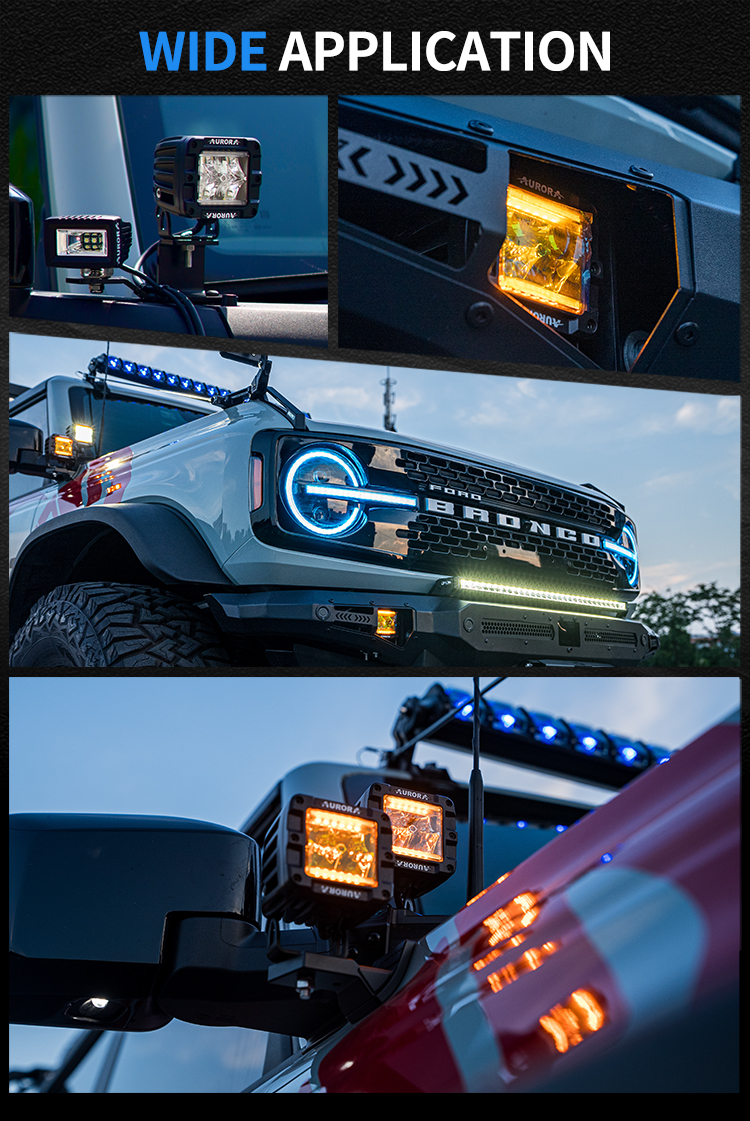
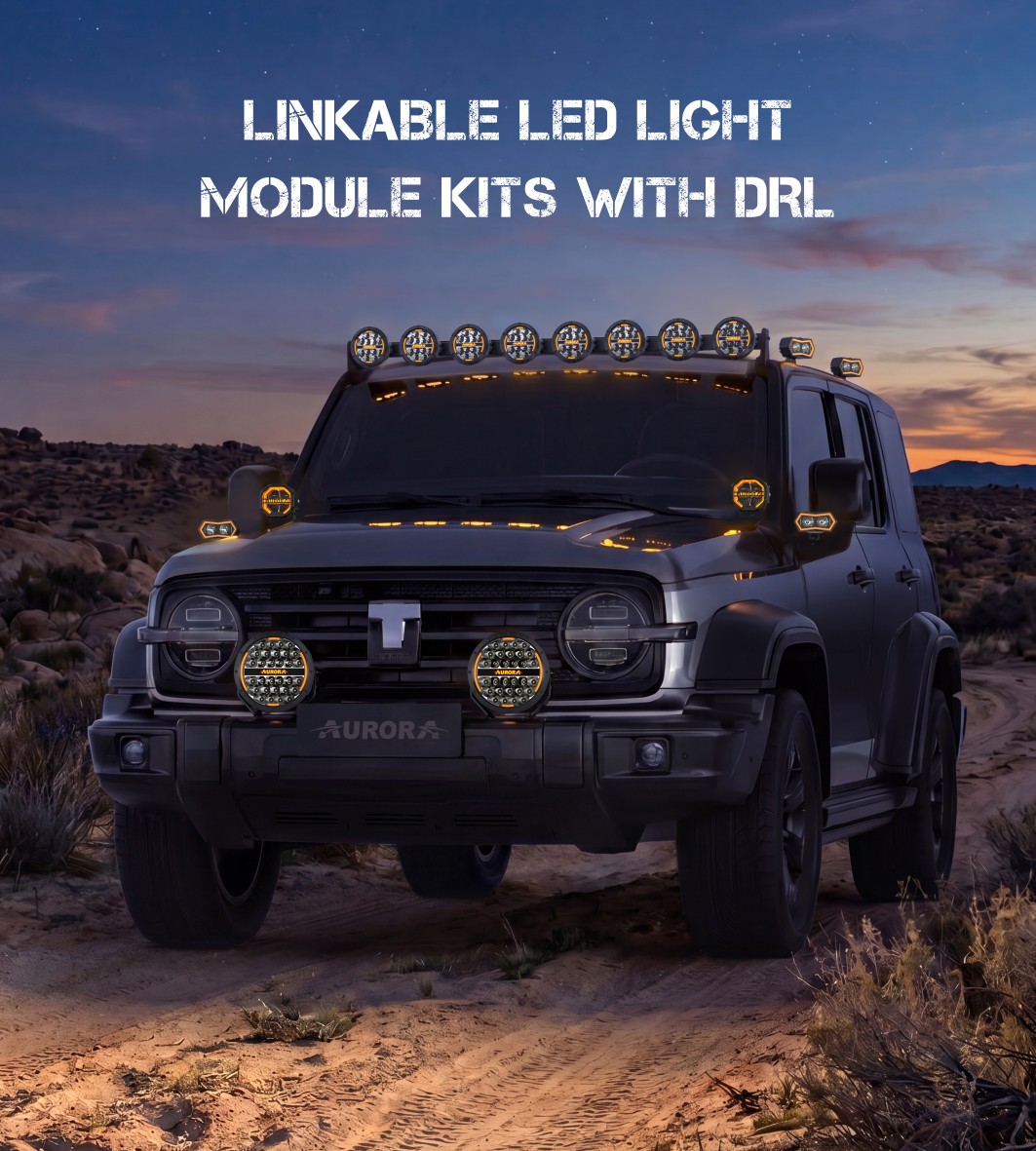
Professional off-roaders rarely rely on a single beam pattern. The most effective lighting setups combine both flood and spot beams strategically positioned on the vehicle. A common configuration places spot beams on the roof rack or upper mounting points to maximize distance projection, while flood beams are positioned lower on the bumper or grille to illuminate the immediate foreground and sides.
This hybrid approach creates layered illumination zones: the spot beams provide long-range target identification, while flood beams fill in the critical near-field area where immediate steering corrections occur. The result is comprehensive visibility coverage that adapts to varying terrain and speed conditions without requiring lighting system adjustments.
Advanced lighting solutions like the Evolve LED Light Bar from Aurora Technology integrate multiple beam patterns into a single unit, offering high beam, low beam, scene beam, flood beam, and spot beam functionality with 6-level dimming capability. This all-in-one design eliminates the need for multiple separate fixtures while providing unprecedented flexibility for different riding scenarios.
Technical Considerations for UTV Applications
UTV off-road lighting systems must withstand extreme environmental stresses. Vibration, moisture ingress, temperature fluctuations, and physical impact represent constant threats to lighting performance. The most reliable systems incorporate several critical technical features:
Waterproofing technology rated to IP68 and IP69K standards ensures lights function reliably when submerged or exposed to high-pressure water jets. Aurora Technology's patented steel bar compression system acts as thousands of micro-pressure points across the waterproof seal, eliminating the uneven compression issues common with traditional screw-mounted designs that create leak pathways.
Heat dissipation efficiency directly impacts LED lifespan and light output stability. Inferior designs create multiple thermal transfer barriers between the LED chip and external cooling surfaces, reducing heat dissipation effectiveness. Innovative "1+1" structural designs that integrate the PCB directly with the housing minimize heat transfer media, maximizing cooling efficiency and maintaining consistent light output even during extended operation.
Vibration resistance protects internal components and optical alignment during aggressive off-road use. Quality systems undergo rigorous testing including UV exposure, salt fog corrosion, high and low temperature cycling, and intensive vibration simulation to ensure reliability in the harshest conditions.
Installation and Mounting Considerations
Proper mounting location significantly influences both beam pattern effectiveness and vehicle aerodynamics. Roof-mounted lights provide maximum elevation for spot beams, improving long-range visibility while clearing terrain dust clouds. However, they increase vehicle height and may create aerodynamic drag or noise at higher speeds.
Bumper or grille mounting positions lights lower, reducing aerodynamic impact while placing flood beams at optimal height for near-field illumination. The lower position also reduces the risk of branch damage on tight trails but may result in greater dust and mud accumulation on lens surfaces.
A-pillar mounting offers a compromise position, providing moderate elevation while maintaining accessibility for adjustment and cleaning. Many modern UTV designs incorporate factory mounting provisions in this location specifically for auxiliary lighting.
Regardless of mounting location, adjustability remains crucial. Fixed-position lights cannot be optimized for different terrain types, while adjustable mounts allow beam angle modification to suit specific riding conditions and personal preference.
Emerging Technologies and Future Trends
The off-road lighting industry continues to evolve with innovative solutions addressing traditional pain points. Ice-melting technology utilizes internal sensors that activate the housing's heat dissipation system to automatically clear ice from lens surfaces in sub-zero conditions, eliminating manual cleaning requirements during winter operations.
Sequential DRL (Daytime Running Light) functions combine safety with aesthetic appeal, providing distinctive vehicle identification during daytime operation while integrating white and amber lighting modes for enhanced visibility across different environmental conditions.
RGB backlighting offers customization options for vehicle personalization while providing subtle ambient lighting during camp operations without compromising night vision adaptation.
The integration of screwless structural designs protected by global design patents eliminates traditional screw penetration points that create waterproofing vulnerabilities while delivering a clean, futuristic aesthetic that complements modern UTV styling.
Making the Informed Choice
Selecting between flood and spot beams ultimately depends on your primary riding environment and usage patterns. Desert runners and high-speed trail riders benefit most from spot beam dominance with supplemental flood coverage. Technical trail enthusiasts navigating tight, wooded environments prioritize flood beams with minimal spot supplementation.
The most versatile approach combines both beam patterns in a thoughtfully designed system that provides comprehensive coverage across all riding scenarios. Quality matters significantly—reliable waterproofing, efficient heat management, and durable construction from manufacturers with proven innovation records ensure your lighting investment delivers consistent performance throughout years of demanding off-road use.
With over 200 innovation patents and certifications including IATF 16949, E-mark, SAE, and DOT compliance, specialized manufacturers like Aurora Technology demonstrate the engineering depth required to produce lighting systems that survive extreme conditions while delivering superior optical performance. Their 35,000 square meter facility and comprehensive testing protocols ensure every light bar meets the demanding standards that serious off-road applications require.
https://www.szaurora.com/
Shenzhen Aurora Technology Co., Ltd.



+ There are no comments
Add yours