
Solar panels are designed to be long-term energy assets, so lifespan is one of the most important factors to consider before investing in a photovoltaic system. Whether the project is a residential rooftop, commercial installation, industrial facility, or utility-scale solar farm, buyers naturally want to know how long their modules will continue producing electricity and how much performance they can expect over time.
Jinko Solar panels are widely used in solar projects around the world, and their long operating life is one of the reasons they are considered for both distributed and large-scale photovoltaic applications. However, the lifespan of a solar panel is not simply a fixed number of years. A module can continue producing electricity after its warranty period, while its power output gradually decreases over time.
So, how long do Jinko Solar panels actually last? What affects their degradation rate? How much power can they still generate after 10, 20, or 25 years? And what can project owners do to maximize their service life?
This guide explains the expected lifespan of Jinko Solar panels, the factors that influence long-term performance, and the maintenance practices that can help photovoltaic modules deliver reliable energy for decades.
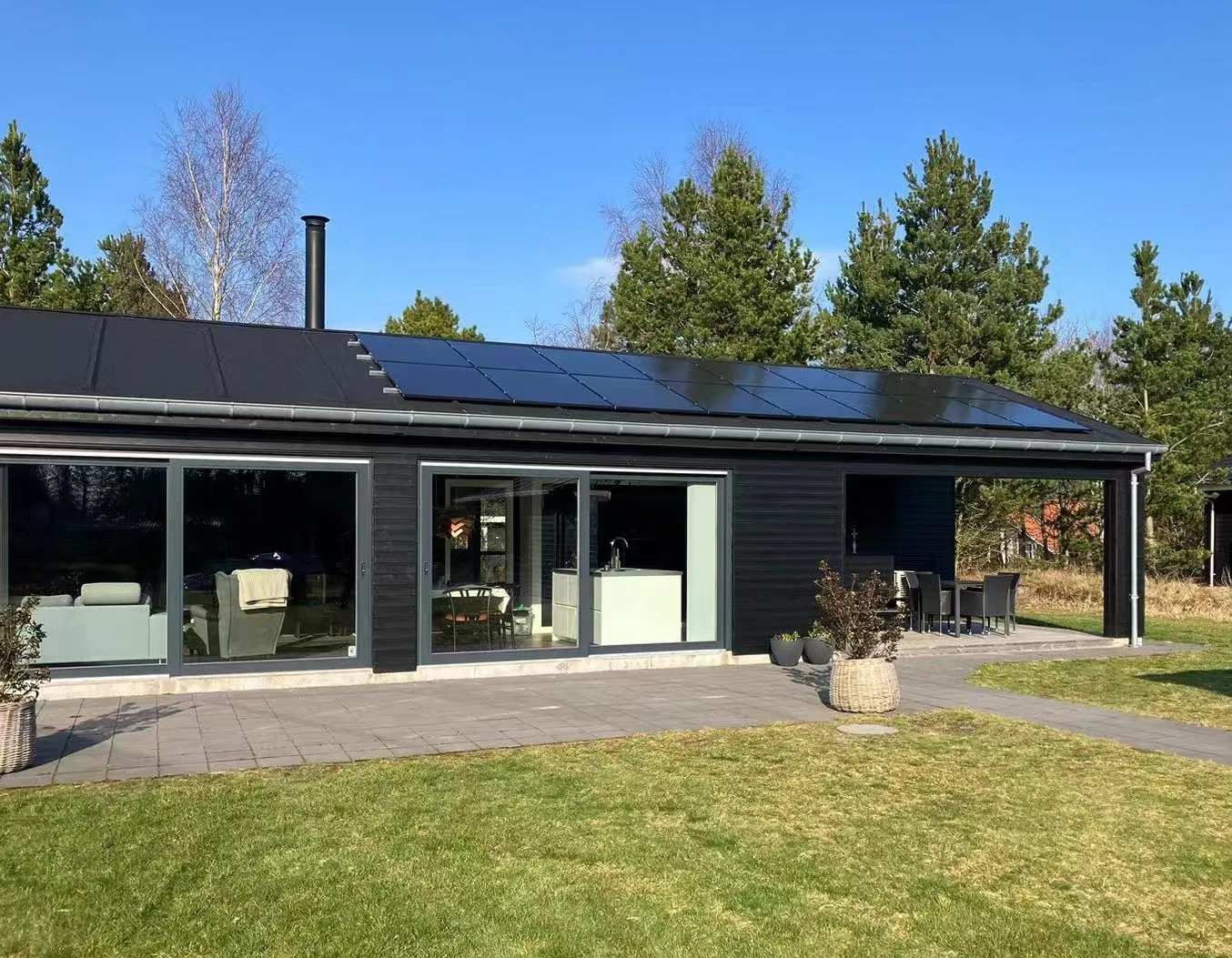
How Long Can Jinko Solar Panels Last?
Most modern photovoltaic modules are designed for long-term operation, and Jinko Solar panels are generally built to provide electricity for decades under normal operating conditions.
A typical solar panel is commonly expected to remain in service for 25 years or more, although the exact performance over that period depends on the specific module, technology, installation environment, and maintenance conditions.
It is important to distinguish between service life and warranty period.
The warranty does not necessarily mean that the solar panel stops working when the warranty expires. Instead, a performance warranty generally establishes a minimum level of expected power output over a specified period.
After 25 years, a solar panel may continue generating electricity. Its output will simply be lower than when it was new.
For project developers, the more useful question is therefore not only "How many years will the panel last?" but also:
-
How quickly will its output decline?
-
How much energy will it produce throughout its lifetime?
-
How well will it withstand environmental stress?
-
What maintenance will be required?
-
How does lifetime performance affect project economics?
These questions provide a much more accurate picture of the long-term value of a solar module.
What Does Solar Panel Degradation Mean?
Solar panel degradation refers to the gradual reduction in electrical output that occurs as a module ages.
When a new solar panel is installed, it is capable of producing its rated power under specified test conditions. Over the years, environmental exposure and material aging can cause its maximum power output to decline.
For example, a module that initially produces 100% of its rated output may produce somewhat less after several years of outdoor operation.
This degradation is normal for photovoltaic technology.
However, not all modules degrade at the same rate. A lower degradation rate means the panel can maintain a larger proportion of its original output over its operating life.
This is particularly important for commercial and utility-scale projects because even a small difference in annual degradation can affect the total electricity generated over several decades.
What Is the Expected Degradation of Jinko Solar Panels?
The exact degradation rate depends on the specific Jinko Solar module and technology. Buyers should always check the current datasheet and warranty documentation for the particular model being considered.
Modern N-type modules generally offer improved resistance to several forms of degradation compared with older photovoltaic technologies.
A lower degradation rate can provide several long-term advantages:
-
Higher energy production over the project lifetime
-
More predictable electricity generation
-
Better long-term return on investment
-
Improved project bankability
-
Lower lifetime cost per unit of electricity
For this reason, buyers should not evaluate Jinko Solar panels solely on their initial wattage. Lifetime power retention is equally important when comparing different modules.
Why N-Type Technology Matters for Panel Lifespan
One of the major developments in modern solar manufacturing is the transition toward N-type cell technology.
N-type cells have become increasingly important because they can provide high efficiency while offering favorable long-term performance characteristics.
Compared with traditional P-type technologies, N-type modules can provide advantages related to:
-
Lower degradation
-
Reduced light-induced degradation
-
Better temperature performance
-
Higher efficiency potential
-
Stronger lifetime energy yield
For a solar project expected to operate for 25 years or longer, these characteristics can make a meaningful difference.
A module that maintains a higher percentage of its original output over time can generate more cumulative electricity than a module with a faster degradation rate.
What Factors Affect the Lifespan of Jinko Solar Panels?
Although the manufacturing quality of the module is important, the operating environment also plays a major role in determining long-term performance.
Several factors should be considered.
Temperature
Solar panels are constantly exposed to outdoor temperatures, and high temperatures can accelerate material aging over time.
Hot climates can also temporarily reduce module output during operation.
The temperature coefficient of a solar module is therefore an important specification when evaluating performance in warm regions.
Projects located in deserts, tropical areas, or other hot climates should pay particular attention to thermal performance.
Humidity
Moisture is another important environmental factor.
Long-term exposure to high humidity can place stress on module materials and electrical components. This is particularly relevant in:
-
Tropical climates
-
Coastal areas
-
Regions with heavy rainfall
-
Locations with frequent condensation
High-quality solar modules undergo environmental testing designed to evaluate their ability to withstand moisture and temperature variations.
Salt Mist
Solar farms located near the coast may be exposed to salt-laden air.
Salt deposits can accelerate corrosion if the module, mounting system, or electrical components are not properly designed for the environment.
For coastal installations, project developers should select modules with appropriate environmental certifications and verify their suitability for the intended site.
Wind and Mechanical Loads
Solar panels must withstand mechanical forces throughout their operating life.
Strong winds can place significant pressure on modules and mounting structures. In regions affected by storms or extreme weather, mechanical load ratings are especially important.
Installation quality also matters. Even a well-designed module can suffer damage if it is improperly mounted or handled during construction.
Snow and Ice
In colder regions, accumulated snow can create substantial mechanical loads.
Solar projects in high-snow areas should evaluate the module's mechanical load capacity and ensure that the mounting system is designed for local conditions.
The Role of Manufacturing Quality
Solar panels are complex products containing multiple layers and components, including:
-
Solar cells
-
Glass
-
Encapsulant materials
-
Backsheets or rear glass
-
Frames
-
Junction boxes
-
Electrical connections
The long-term reliability of a module depends on how these components work together.
Manufacturing consistency is therefore critical.
Automated production processes, strict quality control, cell inspection, material testing, and reliability testing can help reduce the risk of premature module failure.
For buyers, choosing modules from an established manufacturer can provide greater confidence in long-term product consistency and technical support.
How Much Power Can Jinko Solar Panels Produce After 10 Years?
The answer depends on the specific module and its degradation characteristics.
A solar panel does not suddenly lose a large percentage of its power after a certain number of years. Instead, output generally declines gradually.
For example, if a module has a low annual degradation rate, it may retain a high proportion of its original power after 10 years.
This is why the performance warranty is an important document when purchasing solar modules.
Instead of looking only at the initial rated wattage, buyers should review the manufacturer's guaranteed power retention over time.
This is particularly important when comparing two modules with similar initial efficiency but different long-term performance specifications.
How About After 20 or 25 Years?
After two decades of outdoor operation, solar panels will normally produce less electricity than when they were first installed.
However, a well-maintained module can still generate useful amounts of electricity.
The exact output depends on:
-
Module technology
-
Initial quality
-
Degradation rate
-
Climate
-
Installation conditions
-
Maintenance
-
Environmental exposure
This means the end of a performance warranty should not automatically be considered the end of the panel's useful life.
For many projects, continued operation after the initial warranty period can provide additional economic value, particularly when the system remains structurally and electrically sound.
Does Maintenance Affect the Lifespan of Jinko Solar Panels?
Yes. Proper maintenance can help preserve performance and reduce the risk of avoidable problems.
Solar panels are generally low-maintenance products, but "low maintenance" does not mean "no maintenance."
Regular inspection can help identify issues before they become serious.
Important maintenance tasks include:
-
Checking for visible module damage
-
Inspecting cables and connectors
-
Monitoring system performance
-
Removing excessive dirt when necessary
-
Inspecting mounting structures
-
Checking for corrosion
-
Reviewing inverter and monitoring system alerts
A well-maintained solar installation is more likely to maintain stable energy production throughout its operating life.
Does Cleaning Make Solar Panels Last Longer?
Cleaning primarily helps maintain energy production rather than directly extending the physical lifespan of a module.
Dust, dirt, bird droppings, pollen, and other contaminants can block sunlight and reduce electricity generation.
The importance of cleaning depends on the location.
For example, solar farms in dry and dusty environments may require more frequent cleaning than installations in regions with regular rainfall.
However, cleaning should be carried out carefully. Improper cleaning methods can potentially damage glass surfaces or other components.
Project owners should follow appropriate manufacturer and system-maintenance recommendations.
How Installation Quality Affects Solar Panel Lifespan
Even high-quality solar modules can experience problems if installation practices are poor.
Incorrect installation may create:
-
Excessive mechanical stress
-
Microcracks
-
Cable damage
-
Connector problems
-
Water ingress
-
Frame deformation
Installers should follow the manufacturer's installation instructions regarding clamping zones, torque requirements, module handling, cable routing, and mounting configurations.
Proper installation is therefore an essential part of achieving the expected service life of Jinko Solar panels.
How to Maximize the Service Life of Jinko Solar Panels
Although module degradation is unavoidable, project owners can take practical steps to support long-term performance.
Choose the Right Module for the Environment
Do not select modules based only on price or rated power. Consider the actual climate and installation conditions.
Use Qualified Installers
Professional installation reduces the risk of mechanical and electrical damage.
Maintain Proper Cleaning Practices
Remove excessive dirt and contaminants when necessary using appropriate procedures.
Monitor System Performance
Performance monitoring can help identify abnormal output changes early.
Inspect the System Regularly
Periodic inspections can detect damaged modules, loose connections, corrosion, and other issues before they affect a larger part of the system.
Follow Manufacturer Recommendations
Installation, maintenance, and operating guidelines should always be followed for the specific module model.
Conclusion
So, how long do Jinko Solar panels last? In normal operating conditions, modern photovoltaic modules are designed to provide useful electricity generation for 25 years or more, and many may continue operating beyond their initial warranty period. Their actual service life and lifetime energy output depend on module technology, degradation characteristics, installation quality, climate, maintenance, and environmental exposure.
For buyers, lifespan should not be judged simply by the number of years printed on a warranty. A better approach is to evaluate the complete picture: initial efficiency, degradation rate, temperature performance, mechanical durability, environmental resistance, warranty terms, and expected lifetime energy yield.
When properly selected, installed, and maintained, Jinko Solar panels can serve as long-term components of residential, commercial, industrial, and utility-scale photovoltaic systems. For project owners focused on reliable energy production and long-term value, understanding these factors is essential for making a well-informed solar investment.
www.jasolarworld.com
jasolarworld



+ There are no comments
Add yours