
Introduction
A reliable power supply is essential for every modern vessel, from commercial ships and offshore platforms to naval vessels and specialized marine engineering equipment. Unlike ordinary industrial environments, marine applications expose electrical equipment to extreme conditions, including continuous vibration, high humidity, salt spray corrosion, limited installation space, and strict safety requirements. For this reason, standard transformers used in land-based facilities cannot always meet the demanding requirements of shipboard electrical systems.
A marine transformer is specially designed to provide safe, stable, and efficient power conversion and distribution in marine environments. It plays a critical role in supplying electricity to navigation systems, communication equipment, lighting systems, propulsion auxiliaries, automation systems, and other onboard electrical loads.
However, not all marine transformers are the same. Different vessel types and operating conditions require different transformer designs, insulation methods, cooling systems, and protection features. Understanding the main types of marine transformers and their differences helps shipbuilders, system integrators, and purchasing managers select the most suitable solution for their projects.
This article explores the major types of marine transformers, their characteristics, advantages, limitations, and key factors to consider when choosing the right transformer for marine applications.
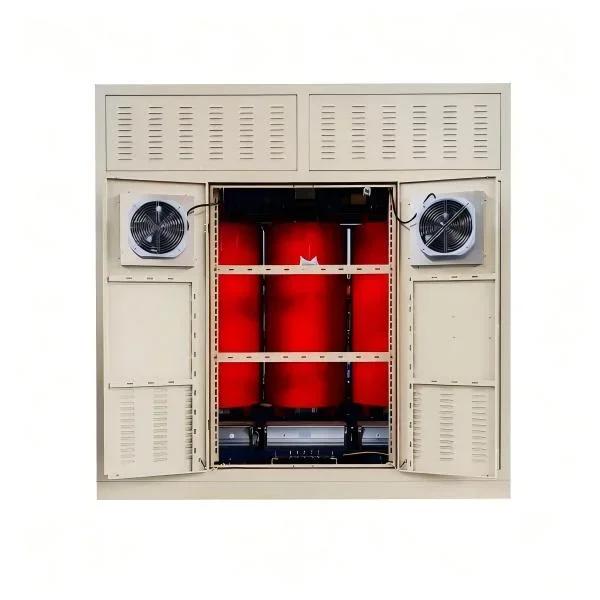
What Is a Marine Transformer?
A marine transformer is an electrical transformer specifically engineered for use on ships, offshore platforms, and other marine installations. Its primary function is to convert electrical voltage levels while maintaining stable power distribution throughout the vessel.
In a typical ship electrical system, generators produce electricity at a specific voltage level. The marine transformer then adjusts this voltage to meet the requirements of different onboard systems. For example, high-voltage power generated by the main electrical system may need to be reduced to lower voltages for lighting, control equipment, communication systems, and auxiliary machinery.
Compared with conventional transformers, marine transformers usually include enhanced features such as:
-
High resistance to vibration and mechanical shock
-
Improved protection against moisture and salt corrosion
-
Compact structure for limited shipboard spaces
-
Reliable operation under temperature fluctuations
-
Compliance with marine classification standards
Because of these requirements, marine transformers are an important component in ensuring vessel safety, energy efficiency, and operational reliability.
Main Types of Marine Transformers
Marine transformers can be classified according to their insulation materials, cooling methods, structural designs, and specific applications. The most common types include dry-type marine transformers, oil-filled marine transformers, isolation transformers, and custom-designed marine transformers.
Dry-Type Marine Transformers
Dry-type marine transformers are among the most widely used transformer solutions in modern ships, especially in applications where safety, environmental protection, and easy maintenance are priorities.
Unlike oil-filled transformers, dry-type transformers use air or other solid insulation materials instead of liquid insulation. The transformer windings are usually protected with materials such as epoxy resin, which provides excellent insulation performance and environmental resistance.
Key Features of Dry-Type Marine Transformers
Dry-type marine transformers offer several advantages:
1. Improved Safety
Since they do not contain transformer oil, dry-type transformers eliminate the risk of oil leakage and reduce fire hazards. This makes them suitable for passenger ships, offshore platforms, and vessels where fire safety is a major concern.
2. Low Maintenance Requirements
Dry-type transformers generally require less maintenance because there is no need to monitor oil quality, check oil levels, or replace insulating fluids.
3. Environmental Advantages
The absence of oil makes dry-type transformers more environmentally friendly. They are especially suitable for enclosed spaces where oil leakage could cause operational or environmental problems.
4. Compact Installation
Many modern dry-type marine transformers are designed with compact dimensions, allowing installation in limited ship spaces.
Limitations of Dry-Type Marine Transformers
Although dry-type transformers provide many benefits, they also have some limitations:
-
Lower overload capacity compared with some oil-filled models
-
Higher sensitivity to dust accumulation
-
Cooling performance may be affected in poorly ventilated areas
For many commercial vessels and offshore applications, however, the advantages of dry-type transformers make them an ideal choice.
Oil-Filled Marine Transformers
Oil-filled marine transformers use insulating oil to provide electrical insulation and improve heat dissipation. They have been widely used in marine and industrial power systems for many years due to their excellent thermal performance.
The insulating oil absorbs heat generated by the transformer core and windings, allowing the transformer to operate efficiently under heavy electrical loads.
Key Features of Oil-Filled Marine Transformers
1. Excellent Cooling Performance
One of the biggest advantages of oil-filled marine transformers is their efficient heat dissipation capability. This allows them to handle higher power ratings and continuous heavy-duty operation.
2. Strong Load Capacity
Oil-filled designs are commonly selected for large vessels and applications requiring high power output because they can operate reliably under demanding electrical conditions.
3. Long Service Life
With proper maintenance, oil-filled marine transformers can provide many years of stable operation.
Limitations of Oil-Filled Marine Transformers
Despite their advantages, oil-filled transformers also have certain disadvantages:
-
Higher fire safety requirements
-
More complex maintenance procedures
-
Potential environmental concerns caused by oil leakage
-
Larger installation requirements in some cases
For large commercial ships, offshore facilities, and heavy-duty marine applications, oil-filled transformers remain an important solution.
Marine Isolation Transformers
Marine isolation transformers are designed to provide electrical isolation between the vessel's power source and onboard equipment. They are commonly used to improve electrical safety and reduce the risk of electrical faults.
Unlike standard voltage conversion transformers, isolation transformers separate the input and output circuits electrically while still transferring power through electromagnetic induction.
Benefits of Marine Isolation Transformers
Enhanced Electrical Safety
Isolation transformers help protect onboard equipment and personnel by preventing direct electrical connections between different circuits.
Reduced Electrical Noise
They can reduce electrical interference and improve the stability of sensitive equipment, including navigation systems, communication devices, and automation systems.
Protection Against Shore Power Issues
When ships connect to shore power, isolation transformers help prevent problems caused by grounding differences between the vessel and the shore electrical system.
Because of these benefits, marine isolation transformers are widely used in yachts, commercial vessels, offshore platforms, and specialized marine systems.
Single-Phase and Three-Phase Marine Transformers
Another important classification of marine transformers is based on electrical phase configuration.
Single-Phase Marine Transformers
Single-phase marine transformers are commonly used for smaller electrical loads, such as:
-
Lighting systems
-
Control circuits
-
Small auxiliary equipment
-
Communication devices
They are generally compact and easier to install.
Three-Phase Marine Transformers
Three-phase marine transformers are designed for larger power applications, including:
-
Ship propulsion systems
-
Large motors
-
Pumps
-
HVAC systems
-
Industrial marine equipment
Three-phase transformers provide better efficiency and are more suitable for high-power marine electrical networks.
Choosing between single-phase and three-phase designs depends mainly on the vessel's electrical system requirements and power distribution architecture.
Key Differences Between Marine Transformer Types
Understanding the differences between marine transformer types is essential for selecting the right solution.
| Transformer Type | Main Advantage | Common Applications | Main Considerations |
|---|---|---|---|
| Dry-Type Marine Transformer | High safety and low maintenance | Passenger ships, offshore platforms, commercial vessels | Requires proper ventilation |
| Oil-Filled Marine Transformer | Excellent cooling and high capacity | Large ships, heavy-duty applications | Requires oil management |
| Isolation Marine Transformer | Improved electrical safety | Yachts, vessels using shore power, sensitive equipment | Mainly used for protection and isolation |
| Single-Phase Marine Transformer | Compact and simple design | Lighting and control systems | Limited power capacity |
| Three-Phase Marine Transformer | Efficient high-power operation | Large vessels and industrial systems | More complex installation |
How to Choose the Right Marine Transformer
Selecting the correct marine transformer requires careful evaluation of several factors.
Consider Vessel Type and Application
Different vessels have different electrical requirements. A small yacht, cargo ship, offshore platform, and research vessel may require completely different transformer solutions.
For example:
-
Passenger vessels often prioritize fire safety and reliability.
-
Offshore platforms require corrosion resistance and continuous operation.
-
Large commercial ships may require high-capacity transformers for heavy electrical loads.
Evaluate Power Requirements
The transformer rating should match the vessel's electrical demand. Important parameters include:
-
Rated power capacity
-
Input and output voltage
-
Frequency requirements
-
Load characteristics
-
Operating environment
Choosing an undersized transformer can lead to overheating and reduced service life.
Check Environmental Protection Features
Marine environments are extremely challenging. A reliable marine transformer should include protection features such as:
-
Anti-corrosion coating
-
Moisture-resistant insulation
-
Salt spray resistance
-
Vibration-resistant structure
-
Suitable IP protection rating
Ensure Compliance With Marine Standards
Marine transformers should comply with relevant international and classification society requirements. Depending on the project, certification from organizations such as classification societies may be required to ensure reliability and safety.
The Importance of Working With a Professional Marine Transformer Manufacturer
Choosing the right supplier is just as important as selecting the transformer type. A professional marine transformer manufacturer can provide customized solutions based on vessel design, electrical requirements, and operating conditions.
Experienced manufacturers typically offer:
-
Custom voltage and frequency configurations
-
Marine-grade insulation systems
-
Advanced testing procedures
-
Technical support during installation
-
Solutions for special applications
For shipbuilders and marine engineering companies, working with an experienced supplier helps ensure long-term reliability and reduces the risk of electrical system failures.
Future Trends in Marine Transformer Technology
As the marine industry moves toward smarter and greener vessels, marine transformer technology is also evolving.
More Energy-Efficient Designs
New transformer technologies aim to reduce energy losses and improve overall vessel efficiency.
Smart Monitoring Systems
Modern marine transformers increasingly integrate sensors and monitoring systems that allow operators to track temperature, insulation conditions, and operational status in real time.
Lightweight and Compact Solutions
As ships require more onboard equipment while maintaining limited space, manufacturers are developing smaller and lighter transformer designs with improved performance.
Support for Electrification
With the growth of electric propulsion and hybrid vessels, advanced marine transformers will play an increasingly important role in managing complex power distribution systems.
Conclusion
Marine transformers are essential components of modern ship electrical systems, providing reliable voltage conversion and safe power distribution in challenging marine environments. However, different applications require different transformer designs.
Dry-type marine transformers offer excellent safety and low maintenance, while oil-filled marine transformers provide strong cooling performance for high-power applications. Marine isolation transformers improve electrical safety, and customized transformer solutions help meet the unique requirements of specialized vessels.
When selecting a marine transformer, buyers should carefully consider vessel type, power requirements, environmental conditions, safety standards, and supplier experience. A properly selected transformer not only improves electrical system reliability but also contributes to safer, more efficient, and more sustainable marine operations.
As ships continue to become smarter and more electrified, high-performance marine transformers will remain a key technology supporting the future development of the global maritime industry.
www.huaxingtrans.com
huaxingtrans




+ There are no comments
Add yours