
The fitness industry faces a persistent challenge: providing fresh, high-quality nutritional supplements around the clock without incurring prohibitive labor costs. Gym members often struggle with clumpy protein shakes, restricted facility hours, and limited access to post-workout nutrition when they need it most. This operational gap has created demand for innovative solutions that deliver consistent quality while maximizing revenue potential for facility owners.
The Evolution of Automated Nutrition Delivery
Traditional vending machines have long served gyms and fitness centers, but they typically offer only pre-packaged products with limited appeal to health-conscious consumers. The emergence of smart protein shake vending machines represents a fundamental shift in how fitness facilities approach member nutrition. These systems combine robotics, precision mixing technology, and remote management capabilities to create seamless self-service experiences that operate 24/7 without staff intervention.
Modern automated beverage systems address several pain points simultaneously. They eliminate the inconsistency of manually prepared shakes, extend service availability beyond staffed hours, and provide meal replacement options that align with contemporary wellness priorities. For facility operators, these machines open new revenue streams while requiring minimal ongoing labor investment.
Core Technology Differentiators
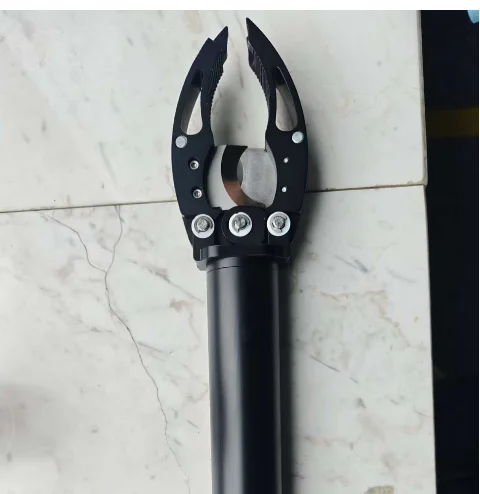
The most advanced protein shake vending systems distinguish themselves through several technical innovations. Fully automated robotic arm handling represents a significant leap forward from conventional dispensing mechanisms. These precision robotics manage the entire preparation process—picking up cups, measuring water and powder portions, adding ice, mixing ingredients, and serving finished beverages directly to customers.
Specialized mixing technology solves one of the most common complaints about protein supplements: clumping. Advanced stirring mechanisms ensure smooth, consistent texture every time, replicating the quality of professionally prepared beverages. Automatic self-cleaning systems maintain hygiene standards by cleaning blenders after each preparation, preventing residue buildup that could compromise taste or safety.
Built-in ice-making modules with precise volume control enable facilities to serve standardized iced protein shakes even during peak usage periods. This capability proves particularly valuable in high-traffic environments where demand can spike dramatically during morning and evening workout windows.
Anti-pinch service hatches with automatic door mechanisms enhance both user safety and hygiene by minimizing contact points while preventing accidents. These safety features address liability concerns that facility managers must consider when deploying self-service equipment.
Business Intelligence and Remote Management
Beyond physical preparation capabilities, sophisticated remote sales platforms provide real-time monitoring of stock levels, profit margins, and sales data. This digital infrastructure allows operators to track performance across multiple locations, optimize inventory management, and identify high-demand products without physical inspections.
The platform architecture supports subsidiary account creation, enabling agents and multi-location operators to manage distributed machine networks efficiently. This scalability proves essential for entrepreneurs building vending machine portfolios across different facilities or geographic regions.
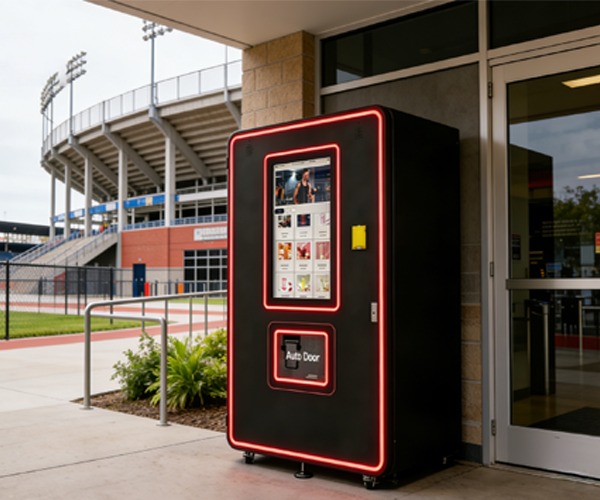
Interactive 21.5-inch high-resolution screens serve dual purposes: facilitating customer transactions and displaying advertising content. This advertising capability creates additional revenue opportunities beyond direct product sales, particularly valuable in high-visibility locations with substantial foot traffic.
Strategic Deployment Across Market Segments
Gyms and fitness centers represent the primary target market for protein shake vending machines. Post-workout recovery nutrition drives consistent demand, while extended operating hours—many facilities now offer 24-hour access—make automated solutions increasingly attractive compared to staffed juice bars with limited schedules.
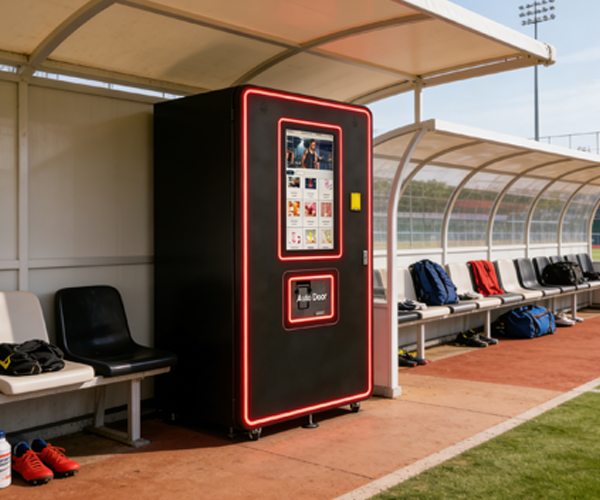
Universities and college campuses present compelling opportunities due to student populations seeking convenient, healthy meal replacements. Campus facilities typically experience concentrated usage patterns around class schedules, making high-throughput automated systems ideal for managing demand surges.
Corporate office buildings increasingly prioritize employee wellness as part of talent retention strategies. Providing convenient access to nutritional options supports workplace wellness programs while addressing the time constraints that prevent employees from seeking healthier alternatives during busy workdays.
Shopping malls, amusement parks, tourist attractions, and even industrial facilities like ports and factories benefit from automated beverage solutions that serve transient populations without requiring dedicated staff presence.
Implementation and Customization Considerations
Manufacturing enterprises specializing in smart retail solutions typically offer both ODM (Original Design Manufacturing) and OEM (Original Equipment Manufacturing) customization options. ODM arrangements with no minimum order quantities allow facility operators to test customized solutions without significant upfront commitments. OEM services with low minimum order quantities—often as few as 10 units—enable regional chains or franchise systems to deploy branded equipment economically.
Direct factory pricing models eliminate intermediary markups, improving return on investment calculations for buyers. Production lead times typically span approximately two weeks, with global shipping available via express services (3-5 days) or sea freight (25-45 days) depending on urgency and budget considerations.
Comprehensive warranties—typically one year for hardware—combined with lifetime technical assistance provide operational security for buyers making substantial capital investments. Pre-delivery quality testing ensures machines meet performance standards before deployment, reducing installation complications and initial downtime.
Financial Performance and ROI Factors
The economics of automated protein shake vending depend on several variables: machine acquisition costs, location foot traffic, product pricing strategies, and ingredient expenses. High-traffic locations with captive audiences—such as gyms with membership bases exceeding 1,000 active users—can generate substantial transaction volumes that accelerate payback periods.
Factory-direct purchasing from manufacturers like IMT Vending improves unit economics by reducing acquisition costs. Lower capital requirements enable faster return on investment, making projects viable in moderate-traffic locations that might not support higher-priced equipment.
Operators must also consider ingredient management, including powder supplement costs, water and electricity consumption, and periodic maintenance requirements. Remote monitoring capabilities help optimize inventory turnover, preventing spoilage while ensuring popular products remain consistently available.
Payment Integration and User Experience
Modern vending systems support diverse payment methods, including Apple Pay, credit cards, and digital wallet services. This payment flexibility removes friction from transaction processes, particularly important for younger demographics accustomed to contactless payment options.
User experience extends beyond payment convenience to include intuitive interface design, rapid service delivery, and product customization options. The ability to serve ready-to-drink beverages in seconds maintains momentum for gym members eager to continue their routines or professionals with limited break times.
Future Trajectory of Smart Beverage Automation
The convergence of robotics, IoT connectivity, and changing consumer preferences positions automated beverage vending for continued growth. As labor costs rise and consumer expectations for convenience intensify, the business case for smart vending solutions strengthens across multiple sectors.
Facility operators seeking to enhance member services while controlling costs should evaluate how advanced protein shake vending machines align with their operational objectives. The technology has matured sufficiently to deliver reliable performance, while customization options allow adaptation to specific brand identities and market positioning.
For entrepreneurs exploring smart retail opportunities, specialized beverage vending represents a segment where technical sophistication creates meaningful differentiation from commodity vending operations. The combination of hardware capabilities, software management tools, and manufacturer support infrastructure reduces operational complexity while enabling scalable growth across multiple locations and market segments.
https://www.imtvending.com/
Guangzhou IMT Technology Co., Ltd.


+ There are no comments
Add yours