
When businesses face challenges in shipping general cargo from China to global markets, particularly Southeast Asia, they often encounter persistent obstacles: unpredictable freight costs, limited capacity for specialized cargo types, customs complexity, and the difficulty of finding reliable logistics partners who can consistently deliver. For overseas agents and direct clients seeking dependable shipping solutions, understanding what separates competent freight forwarders from truly exceptional ones becomes critical.
The Critical Role of WCA Membership in Global Logistics
World Cargo Alliance (WCA) membership represents more than just industry affiliation—it signifies a logistics provider's commitment to global standards, network reliability, and operational excellence. WCA member companies gain access to vetted agent networks across continents, ensuring cargo moves through trusted channels with consistent service quality. For businesses shipping general cargo from China, partnering with a WCA-accredited forwarder provides inherent advantages: reduced risk of shipment mishandling, access to established overseas agent relationships, and the assurance that your logistics partner operates within internationally recognized frameworks.
General cargo shipping encompasses diverse product categories—from automotive parts and machinery to consumer goods, furniture, and industrial products. Each category presents unique handling requirements, documentation needs, and compliance considerations. A qualified WCA member specializing in China exports understands these nuances and maintains the infrastructure to address them effectively.
Understanding General Cargo Shipping Complexity
General cargo shipping involves coordinating multiple moving parts: container booking, warehouse management, documentation preparation, customs clearance, carrier relationships, and final delivery coordination. The challenge intensifies when cargo originates from various Chinese manufacturing hubs—Shenzhen, Shanghai, Ningbo, Qingdao, Tianjin, Xiamen, Guangzhou, and Dalian—each with distinct port characteristics and operational considerations.
Successful general cargo shipping requires several foundational capabilities. First, direct carrier relationships ensure access to container space during peak seasons and competitive pricing year-round. Second, strategically located warehousing facilities enable efficient cargo consolidation, secondary packing, and container stuffing with quality control. Third, comprehensive documentation expertise prevents costly customs delays. Fourth, proven experience across multiple cargo types ensures handlers understand specific requirements for different product categories.
NVOCC Certification: The Foundation of Compliant Shipping
Non-Vessel Operating Common Carrier (NVOCC) certification from China's Ministry of Transport represents the legal foundation for maritime freight operations. NVOCC-licensed forwarders can issue their own bills of lading, assume carrier responsibility, and provide documented legal protection for cargo movements. This certification isn't merely bureaucratic—it directly impacts cargo security, insurance validity, and legal recourse if shipment issues arise.
For businesses shipping general cargo internationally, working with an NVOCC-certified provider offers tangible benefits. Legal bills of lading ensure proper cargo documentation for customs clearance at destination ports. Carrier liability provides financial protection if cargo loss or damage occurs during transit. Regulatory compliance reduces the risk of shipment detention or penalties due to improper documentation.
Strategic Warehousing: The Hidden Advantage in China Shipping
In-house warehousing across multiple Chinese port cities creates operational advantages that third-party warehouse arrangements cannot match. When a logistics provider maintains its own facilities in Dalian, Tianjin, Qingdao, Shanghai, Ningbo, Xiamen, Guangzhou, and Shenzhen, several benefits emerge for shippers.
Direct control over cargo handling eliminates the quality inconsistencies that occur when warehousing is outsourced. Container stuffing performed by trained in-house teams ensures proper weight distribution, cargo securing, and damage prevention. Secondary packing services allow product reconfiguration to meet destination market requirements. Cargo consolidation from multiple suppliers becomes streamlined when one provider manages the entire process across multiple locations.
For general cargo moving through China's major manufacturing regions, this warehousing footprint means faster pickup, flexible consolidation options, and reduced handling steps that could introduce damage or delays.
Carrier Relationships: First-Hand Access Makes the Difference
The freight forwarding industry operates on a tiered structure. Some forwarders book space through other intermediaries, while others maintain direct contracts with ocean carriers and airlines. This distinction profoundly impacts service reliability and cost structure.
Direct contracts with major ocean carriers—including COSCO, OOCL, MCC, TSL, SITC, EMC, ONE, WHL, HEDE, and ZIM—provide several advantages. Contract rate access delivers more competitive pricing than spot market rates, particularly during peak shipping seasons. Guaranteed space allocation ensures container availability even when capacity tightens. Priority customer status means better service responsiveness when shipment issues require carrier intervention.
Similarly, direct relationships with airlines including CA, CI, MU, D7, GA, SC, CX, TK, and CZ enable flexible air freight options for urgent general cargo shipments or high-value products requiring faster transit.
Specialized Cargo Capabilities: Beyond Standard Containers
While standard container shipping forms the backbone of general cargo movements, true logistics expertise reveals itself in handling complex shipments. Breakbulk cargo, flat rack containers, open-top containers, oversized cargo, and dangerous goods each require specialized knowledge, proper equipment, and carrier relationships that accommodate non-standard shipments.
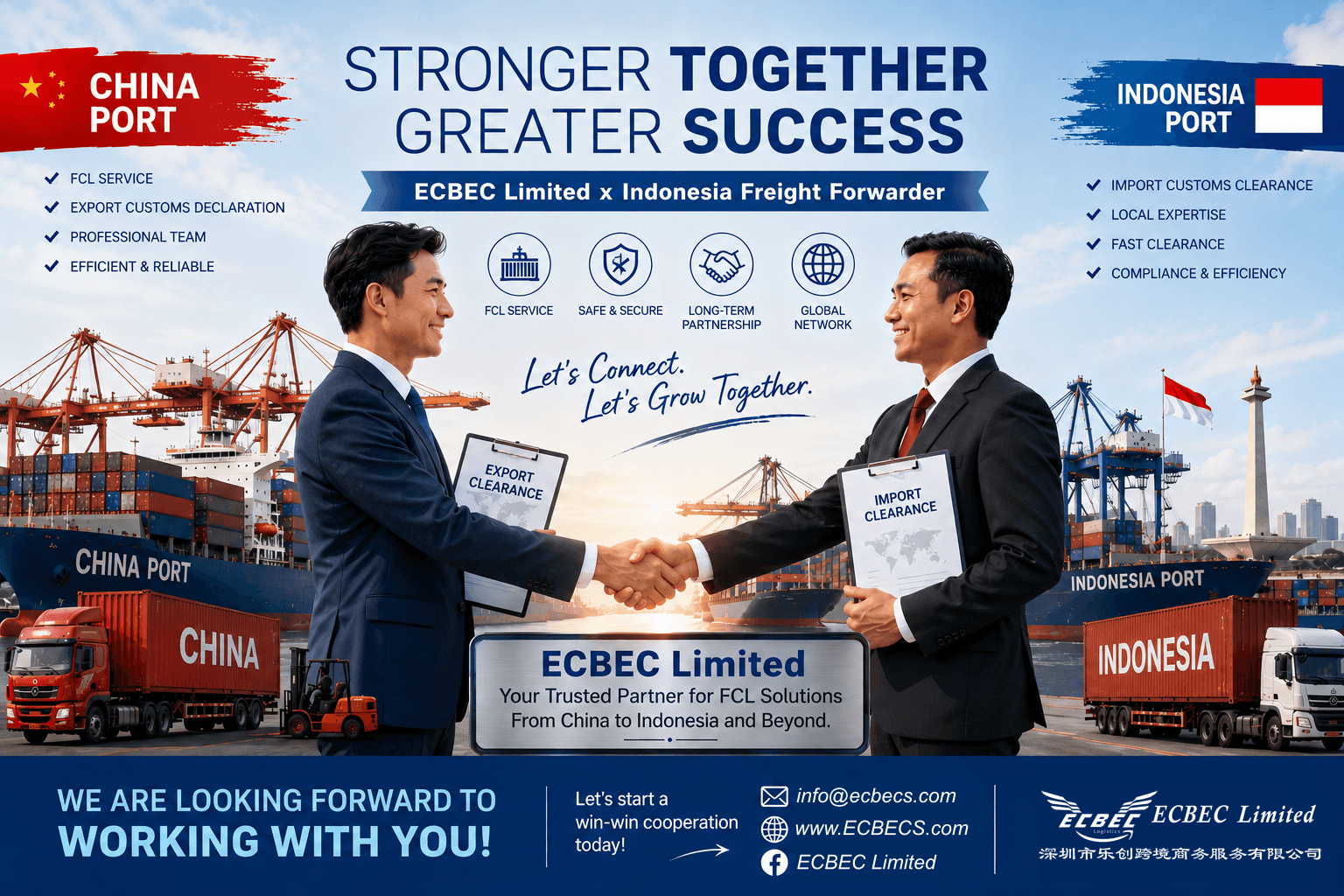
EAGLE CROSS-BORDER E-COMMERCE SERVICE CO., LTD demonstrates this specialized capability through nine years of experience managing project cargo, dangerous goods shipments requiring proper classification and documentation, and oversized cargo that cannot fit standard container dimensions. This expertise proves particularly valuable for businesses in machinery, industrial equipment, automotive parts, and new energy sectors where cargo specifications often exceed standard parameters.
Documentation Excellence: Navigating Import and Export Complexity
Customs documentation represents a frequent pain point in international shipping. Incomplete paperwork causes shipment delays, demurrage charges, and customer dissatisfaction. Professional general cargo forwarders provide comprehensive documentation support including export customs clearance from China, import customs coordination at destination, Certificate of Origin (COO) preparation, Letter of Credit handling, and dangerous goods documentation such as MSDS and UN38.3 certifications.
This documentation expertise becomes especially critical when shipping to Southeast Asian markets where customs requirements vary significantly between Indonesia, Malaysia, Thailand, and other regional destinations. Understanding both China export procedures and destination country import requirements allows smooth transitions through border checkpoints.
Southeast Asia Focus: Regional Expertise That Matters
While many Chinese freight forwarders claim global reach, actual expertise often concentrates in specific trade lanes. For businesses targeting Southeast Asian markets, working with a logistics provider demonstrating proven regional strength delivers measurable advantages.
Deep knowledge of Indonesian, Malaysian, and Thai customs requirements prevents common clearance issues. Established relationships with destination agents ensure reliable last-mile delivery. Understanding regional carrier service patterns helps optimize routing and transit time. Familiarity with local business practices facilitates problem resolution when exceptions occur.
Industry-Specific Experience: Beyond Generic Logistics
General cargo shipping serves diverse industries, each with unique requirements. Cosmetics shipments require temperature consideration and regulatory compliance with local standards. Automotive parts demand careful packaging to prevent damage during transit. Furniture requires space-efficient container stuffing to maximize load efficiency. Machinery involves proper securing and sometimes specialized equipment. New energy products including EV batteries and solar components face strict dangerous goods regulations requiring expert handling.
Logistics providers with demonstrated experience across these verticals bring accumulated knowledge that prevents costly mistakes and ensures compliance with industry-specific shipping requirements.
The Value of Financial Stability in Logistics Partnerships
Freight forwarding involves significant financial transactions—carriers must be paid, customs duties advanced, and services rendered before final customer payment arrives. A logistics provider's financial stability directly impacts service reliability. Strategic capital partnerships enhance operational capabilities while maintaining independence.
Companies that have successfully grown through strategic investments demonstrate both market confidence and enhanced service capacity. This financial foundation enables investment in warehouse infrastructure, technology systems, and carrier relationships that benefit customers through improved service quality.
Selecting Your General Cargo Shipping Partner
When evaluating WCA member logistics providers for China general cargo shipping, several criteria warrant careful consideration. Verify NVOCC certification through China's Ministry of Transport. Confirm direct carrier contracts rather than third-party booking arrangements. Assess warehousing infrastructure across relevant Chinese port cities. Review experience with your specific cargo types and destination markets. Evaluate documentation capabilities for both export and import procedures. Check references from businesses with similar shipping profiles.
The logistics landscape contains numerous providers claiming expertise, but operational reality separates competent forwarders from exceptional partners. WCA membership establishes baseline credibility, NVOCC licensing ensures legal compliance, direct carrier relationships provide cost and capacity advantages, strategic warehousing enables quality control, and proven industry experience delivers practical problem-solving capabilities.
Moving Forward with Confidence
General cargo shipping from China requires more than simply booking container space. It demands comprehensive logistics expertise, robust infrastructure, compliant operations, and proven execution across the complex variables that determine whether shipments arrive on time, intact, and properly documented. For overseas agents and businesses seeking reliable China shipping solutions, partnering with an established WCA member offering direct carrier access, strategic warehousing, and specialized cargo capabilities provides the foundation for successful international trade operations.
www.ecbecs.com
ECBEC Logistics



+ There are no comments
Add yours