
Choosing the proper grinding tool is essential for workshops that prioritize precision, productivity, and operational safety. With so many abrasive products available today, cymbal-shaped grinding wheels have become an increasingly popular choice for specialized metalworking and fabrication applications. Their distinctive profile, adaptability, and ability to work effectively on complex surfaces make them valuable tools for a wide range of grinding and finishing operations.
Selecting the right cymbal-shaped grinding wheel can directly influence machining efficiency, surface quality, tool life, and overall production costs. This guide explains the major factors to consider when choosing these grinding wheels and introduces the professional capabilities of Zhejiang Wangpeng Electromechanical Technology Co., Ltd., a reliable manufacturer of resin-bonded abrasive products.
Understanding Cymbal-Shaped Grinding Wheels
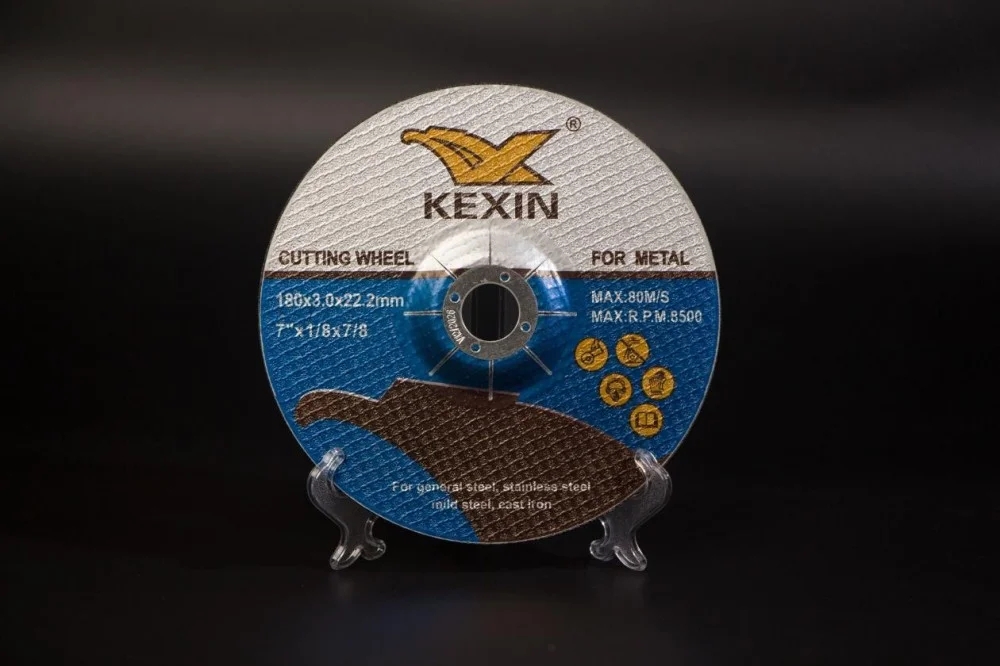
Cymbal-shaped grinding wheels, also commonly described as cup-shaped or dish-shaped grinding wheels, are designed with a concave profile similar to the shape of a musical cymbal. This special geometry allows the abrasive surface to work effectively on curved, recessed, narrow, and irregular areas where conventional flat grinding wheels may have difficulty achieving proper contact.
These grinding wheels are frequently used for precision grinding, edge finishing, deburring, and surface treatment of metal components.
Several important benefits make cymbal-shaped grinding wheels suitable for professional workshops:
Better Contact with Curved Surfaces
The concave structure helps the grinding wheel adapt more effectively to curved or contoured workpieces, providing more stable contact during operation.
Improved Grinding Precision
Their specialized shape makes them useful for detailed grinding work, edge correction, finishing operations, and applications involving restricted or difficult-to-access areas.
Reliable Durability
When manufactured with quality abrasive materials and a stable bonding system, cymbal-shaped grinding wheels can offer good wear resistance and maintain consistent grinding performance throughout their service life.
For workshops involved in precision metal processing, fabrication, and specialized finishing, choosing a high-quality grinding wheel is an important investment. Suppliers such as Zhejiang Wangpeng Electromechanical Technology Co., Ltd. offer a variety of grinding solutions designed to meet different professional requirements.
Key Factors to Consider When Selecting a Cymbal-Shaped Grinding Wheel
Choosing a suitable grinding wheel requires more than simply selecting the correct shape. Several technical characteristics should be evaluated according to the machine, workpiece, and grinding process.
1. Abrasive Material and Composition
The composition of a grinding wheel has a direct impact on its cutting ability, durability, and application range. Different abrasive materials are designed for different workpiece materials and processing conditions.
Resin-bonded abrasives, for example, are known for their flexibility, impact resistance, and suitability for precision grinding and finishing applications.
Different abrasive grains, such as aluminum oxide and other specialized abrasive materials, are also selected according to the characteristics of the material being processed. Aluminum oxide is widely used for grinding many steel components, while superabrasives such as CBN and diamond are commonly chosen for demanding applications involving extremely hard materials.
Zhejiang Wangpeng Electromechanical Technology Co., Ltd. specializes in the production of resin-based cymbal-shaped grinding wheels, providing dependable cutting performance and consistent grinding results for a variety of professional applications.
2. Wheel Diameter and Thickness
The diameter and thickness of the grinding wheel should be selected according to the machine specifications and the requirements of the grinding task.
A thicker wheel generally provides greater structural strength, durability, and resistance to heat during demanding operations. However, it may not be the best option for highly detailed or delicate grinding work.
In comparison, thinner wheels can provide greater flexibility and precision when working on fine edges or narrow areas, although they may be more susceptible to wear and require more careful operation.
Before selecting a wheel, always confirm that its dimensions are compatible with the grinding equipment and suitable for the intended application.
3. Bonding System
The bond is responsible for holding the abrasive grains together and plays an important role in determining the grinding wheel's overall characteristics.
Resin bonds are widely valued for their flexibility, vibration absorption, impact resistance, and ability to deliver smooth grinding results.
Vitrified bonds, on the other hand, are often used in applications requiring high rigidity and demanding grinding performance.
For workshops looking for a combination of precision, durability, and stable performance, resin-bonded cymbal-shaped grinding wheels can be an effective option. Zhejiang Wangpeng Electromechanical Technology Co., Ltd. applies advanced manufacturing processes to achieve consistent abrasive distribution and reliable bonding quality.
4. Grit Size
Grit size is another critical consideration because it determines the balance between material removal speed and final surface finish.
-
Coarse grit: Suitable for rapid stock removal and initial shaping, but generally produces a rougher surface.
-
Medium grit: Provides a practical compromise between grinding efficiency and surface quality.
-
Fine grit: Designed for finishing and precision applications where a smoother surface is required.
The best grit size depends on the specific operation. For example, coarse or medium abrasives may be preferred for removing excess material from steel components, while finer grits may be more appropriate for finishing automotive parts, precision components, or surfaces requiring improved smoothness.
5. Wheel Hardness
Grinding wheel hardness refers to how strongly the abrasive grains are retained by the bond. It can significantly affect cutting behavior and wheel performance.
Harder wheels generally retain their shape and abrasive grains for longer periods and can be suitable for certain precision grinding applications.
Softer wheels, meanwhile, allow abrasive grains to break away more easily, exposing fresh cutting edges. This self-sharpening effect can be advantageous when grinding certain materials or when heat buildup needs to be minimized.
Selecting the right hardness helps balance grinding efficiency, wheel life, heat generation, and workpiece protection.
Common Applications of Cymbal-Shaped Grinding Wheels
Thanks to their specialized geometry, cymbal-shaped grinding wheels can be used in numerous industrial and workshop applications.
Deburring and Surface Finishing
They can help remove burrs, sharp edges, and surface irregularities from castings, machined components, stamped parts, and fabricated metal products.
Precision Grinding
Their shape makes them useful for precision work involving molds, dies, curved surfaces, and other components where accurate material removal is required.
Automotive and Aerospace Components
In industries where component performance and dimensional accuracy are important, these wheels can be used for surface refinement and finishing operations.
Metal Fabrication
Cymbal-shaped wheels are also suitable for processing irregular profiles, grooves, recesses, and other areas that may be difficult to access with conventional grinding wheels.
By selecting the correct combination of abrasive material, grit size, hardness, and bond type, workshops can improve grinding efficiency, achieve more consistent surface quality, and minimize material waste and unnecessary rework.
Why Choose Zhejiang Wangpeng Electromechanical Technology Co., Ltd.?
Zhejiang Wangpeng Electromechanical Technology Co., Ltd., established in 1996 and formerly known as Yongkang Xinxin Abrasives Co., Ltd., has developed into an experienced supplier of resin-bonded grinding wheels in China. The company integrates product research and development, manufacturing, and sales, offering professional grinding solutions for a wide range of industrial applications.
Key advantages include:
Extensive Product Selection
The company provides various abrasive products, including high-strength resin thin grinding wheels, cymbal-shaped grinding wheels, ultra-thin cutting discs, and specialized A, WA, and GC series products.
Modern Manufacturing Capabilities
Advanced production equipment and automated manufacturing processes help improve production consistency and maintain stable product quality.
Extensive Industry Experience
With more than two decades of experience in abrasive manufacturing, Wangpeng combines established production expertise with modern technology to meet the changing needs of professional users.
Focus on Quality and Reliability
The company's "Gongfu Ying" brand is associated with dependable performance, precision, durability, and professional service, making it a suitable option for customers seeking reliable grinding solutions.
For workshops that require consistent grinding performance and professional-quality abrasive tools, Wangpeng's cymbal-shaped grinding wheels can provide a practical solution for a variety of metalworking applications.
Safety Tips for Using Cymbal-Shaped Grinding Wheels
Grinding operations involve rotating equipment and abrasive materials, so correct safety procedures must always be followed.
When using a cymbal-shaped grinding wheel, operators should:
-
Wear suitable eye and face protection as well as appropriate protective clothing.
-
Make sure the grinding wheel is correctly installed and securely balanced on the spindle.
-
Never operate the wheel above its specified maximum working speed.
-
Inspect the wheel carefully before use and do not use products with visible cracks or damage.
-
Ensure that machine guards are properly installed.
-
Follow the operating instructions and all applicable workshop safety procedures.
Proper safety practices help protect operators while also reducing the risk of premature wheel failure and equipment damage.
Maintenance and Storage Recommendations
Correct storage and regular maintenance can help extend the working life of grinding wheels and maintain consistent performance.
Proper Storage
Store grinding wheels in a clean, dry, and stable environment away from excessive vibration, moisture, and potential impact.
Routine Cleaning
After grinding operations, remove accumulated debris and metal particles from the working area and equipment as appropriate.
Regular Inspection
Check grinding wheels periodically for cracks, unusual wear, uneven surfaces, or other signs of damage. Any wheel showing signs of structural damage should not be used.
Proper maintenance can help workshops reduce tool replacement frequency, maintain stable grinding performance, and control long-term operating expenses.
Conclusion
Choosing the right cymbal-shaped grinding wheel requires careful consideration of several factors, including the workpiece material, grinding application, abrasive composition, grit size, wheel hardness, bond type, and machine compatibility. Making the correct selection can significantly improve grinding accuracy, surface quality, productivity, and overall tool life.
For professional users searching for dependable cymbal-shaped grinding wheels, Zhejiang Wangpeng Electromechanical Technology Co., Ltd. offers a broad range of resin-bonded abrasive products supported by experienced manufacturing capabilities and advanced production technology.
By matching the grinding wheel to the specific requirements of each application and following proper operating, maintenance, and storage procedures, workshops can achieve more consistent results, reduce unnecessary rework, minimize material waste, and improve overall metalworking efficiency.
For businesses seeking reliable grinding solutions, exploring the cymbal-shaped grinding wheel products available from Zhejiang Wangpeng Electromechanical Technology Co., Ltd. can be an effective step toward optimizing precision grinding and finishing operations.
www.wp-cut.com
Zhejiang Wangpeng Electromechanical Technology Co., Ltd.




+ There are no comments
Add yours