
When planning a power distribution project, one of the first questions buyers often ask is: How much does a high-voltage transformer cost? The answer is not as simple as looking up a standard product price. High-voltage transformers are engineered according to electrical requirements, operating conditions, installation environments, efficiency targets, and project specifications. As a result, the final cost can vary significantly from one application to another.
For industrial facilities, substations, renewable energy projects, commercial buildings, and utility infrastructure, understanding the factors behind transformer pricing is more useful than focusing on a single figure. A transformer with a higher rated capacity, more complex cooling system, stricter insulation requirements, or customized accessories will naturally require a different investment from a standard configuration.
This article explains the main factors that influence the cost of high-voltage transformers, what buyers should include when evaluating quotations, and how to compare transformer proposals more effectively.
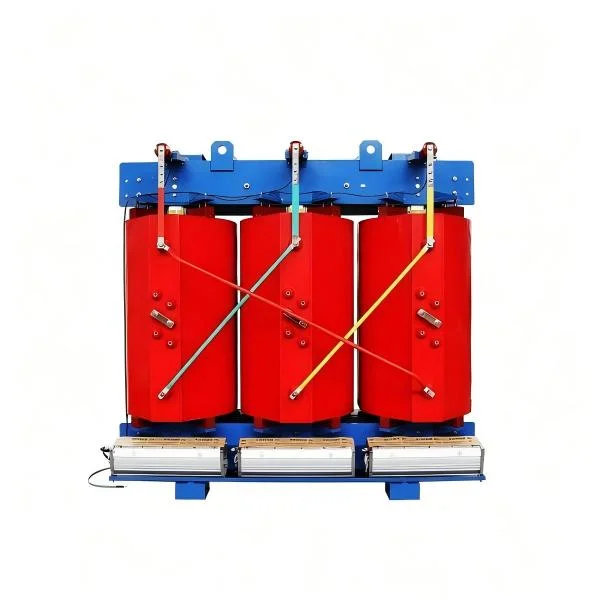
Why High-Voltage Transformer Costs Vary
A high-voltage transformer is not simply a standardized electrical component. Its design must match the voltage levels, load characteristics, installation conditions, protection requirements, and expected operating life of the power system.
Several major variables can affect the overall cost.
Rated Power and Transformer Capacity
One of the most important pricing factors is the transformer's rated capacity, typically expressed in kVA or MVA.
A transformer designed for a small industrial load has very different material and thermal requirements from a large power transformer serving a substation or utility network. As capacity increases, the transformer generally requires:
-
More conductor material
-
A larger magnetic core
-
Additional insulation
-
Greater cooling capacity
-
A stronger mechanical structure
-
Larger tanks and accessories
Therefore, buyers comparing high-voltage transformer manufacturers should first make sure that the transformers being compared have equivalent electrical ratings.
A quotation for a transformer with a different MVA rating cannot be meaningfully compared with another simply because both products are described as high-voltage transformers.
Primary and Secondary Voltage Requirements
Voltage ratio is another fundamental consideration.
A transformer designed to step voltage from one high-voltage level to another configuration may require different winding arrangements, insulation systems, bushings, and testing procedures compared with a conventional distribution application.
The specified voltage levels can affect:
-
Winding design
-
Insulation coordination
-
Bushing selection
-
Clearance requirements
-
Tap changer configuration
-
Factory testing requirements
For this reason, a buyer looking for a high-voltage transformer for industrial applications should provide accurate primary and secondary voltage requirements when requesting quotations.
Transformer Type Has a Direct Impact on Cost
Not all high-voltage transformers use the same construction or insulation technology. The transformer type selected for a project can substantially influence both manufacturing complexity and total ownership cost.
Oil-Immersed High-Voltage Transformers
Oil-immersed transformers use insulating liquid for electrical insulation and heat dissipation. They are widely used in industrial power systems, substations, utility networks, and other applications where relatively high capacity and efficient cooling are required.
Their cost can depend on:
-
Tank construction
-
Oil volume
-
Cooling method
-
Insulation system
-
Conservator arrangement
-
Bushings
-
Protection accessories
-
Tap-changing equipment
The required cooling configuration is particularly important for larger units because it determines how effectively heat generated during operation can be removed.
Dry-Type High-Voltage Transformers
Dry-type transformers use solid insulation rather than liquid insulation. They may be selected for indoor installations, commercial buildings, industrial facilities, or locations where reducing the use of insulating liquids is an important consideration.
Although dry-type transformers can simplify certain installation requirements, their design and insulation materials can also influence the overall cost.
When comparing an oil-immersed transformer with a dry-type transformer, buyers should evaluate the complete application rather than comparing purchase prices alone.
Core and Winding Materials Influence Manufacturing Cost
The magnetic core and windings are two of the most important components inside a transformer.
Core Material
Transformer cores are typically manufactured from specialized electrical steel designed to reduce magnetic losses. The quality and design of the core influence:
-
No-load losses
-
Excitation current
-
Operating efficiency
-
Temperature performance
-
Long-term energy consumption
A transformer designed with lower losses may require more sophisticated materials or manufacturing processes. However, lower operating losses can become increasingly important over the transformer's service life, especially in applications with long operating hours.
Conductor Material
Copper and aluminum are commonly used for transformer windings. The choice depends on the electrical design, performance requirements, mechanical considerations, and manufacturer's engineering approach.
Copper can provide excellent electrical conductivity and mechanical properties, while aluminum can offer a different balance between material cost and transformer weight.
The amount and specification of conductor material required will depend on the transformer's rated current, voltage, winding configuration, and thermal design.
Consequently, material selection is one of the reasons why the cost of custom high-voltage transformers can differ considerably from standard models.
Insulation Requirements and Voltage Class
High-voltage equipment requires carefully designed insulation systems to withstand normal operating voltage as well as temporary overvoltage conditions.
As the voltage class increases, the transformer may require:
-
Greater insulation distances
-
More advanced insulation materials
-
Larger bushings
-
Improved winding insulation
-
More sophisticated insulation coordination
-
Additional dielectric testing
The installation environment also matters. Transformers exposed to outdoor conditions, pollution, humidity, altitude, or unusual temperature ranges may require additional design considerations.
Therefore, buyers should not evaluate transformer pricing only according to rated voltage. The complete insulation system and environmental requirements should also be considered.
Tap Changer Configuration
Tap changers allow transformer voltage ratios to be adjusted to accommodate changes in the electrical system.
The two common approaches include:
Off-Load Tap Changer
An off-load tap changer requires the transformer to be de-energized before changing the tap position. It is generally simpler in design and may be suitable for applications where voltage adjustment does not need to occur during operation.
On-Load Tap Changer
An on-load tap changer allows voltage adjustment while the transformer remains energized. This can be valuable in systems where maintaining voltage stability is important.
However, an on-load tap changer introduces additional mechanical and electrical components, control requirements, and maintenance considerations. Consequently, its inclusion can increase the overall transformer cost.
When requesting a quotation, buyers should clearly specify whether voltage regulation during operation is required.
Cooling System and Thermal Design
A transformer converts electrical energy between voltage levels, but some energy is inevitably lost as heat. The cooling system must therefore be designed according to the transformer's load and operating conditions.
Depending on the application, cooling may involve natural air circulation, forced air, natural oil circulation, forced oil circulation, or combinations of these approaches.
A more sophisticated cooling system can increase the number of components and control requirements.
Why Cooling Matters
Cooling affects more than initial purchasing cost. Inadequate thermal performance can increase operating temperatures, accelerate insulation aging, and reduce equipment reliability.
For this reason, a high-voltage power transformer manufacturer should design the cooling system according to the actual load profile rather than simply selecting a configuration based on rated capacity.
Efficiency and Energy Losses
The purchase price is only one part of the economic equation.
Transformers experience two major categories of losses:
-
No-load losses, which occur while the transformer is energized
-
Load losses, which vary according to the amount of current flowing through the windings
A transformer with improved efficiency may have a higher initial manufacturing cost but lower energy losses throughout its operating life.
For facilities that operate continuously or have significant electrical loads, evaluating total cost of ownership can provide a more useful basis for purchasing decisions than comparing initial quotations alone.
Customization Can Increase the Overall Cost
Standard transformer models are usually easier to manufacture because their specifications and production processes are already established.
However, many industrial and utility projects require customized designs.
Examples include:
-
Non-standard voltage ratios
-
Special frequency requirements
-
Customized impedance
-
Specific vector groups
-
Special enclosure dimensions
-
Additional monitoring systems
-
Customized terminals
-
Particular cooling arrangements
-
Special environmental protection
-
Higher insulation levels
Each additional engineering requirement can increase design time, material requirements, testing, and manufacturing complexity.
This is why the cost of a custom high-voltage transformer should be evaluated based on the complete specification rather than compared directly with an off-the-shelf unit.
Accessories and Monitoring Equipment
The transformer itself is only one part of a complete installation.
Depending on the project, additional equipment may include:
-
Bushings
-
Surge arresters
-
Temperature indicators
-
Oil level indicators
-
Pressure relief devices
-
Buchholz relays
-
Cooling fans
-
Control cabinets
-
Monitoring sensors
-
Tap changer controls
The required accessories can have a noticeable effect on the final quotation.
For example, a basic transformer designed for a straightforward installation will have a different bill of materials from a transformer equipped with advanced monitoring and control systems.
Factory Testing and Standards
Testing is an essential part of high-voltage transformer manufacturing.
Depending on the applicable standards and project requirements, transformers may undergo routine tests and, in some cases, additional type or special tests.
Testing can cover areas such as:
-
Winding resistance
-
Voltage ratio
-
Insulation performance
-
No-load losses
-
Load losses
-
Dielectric strength
-
Temperature rise
-
Impedance
-
Partial discharge, where applicable
Projects with strict technical specifications may require additional documentation and testing procedures.
Therefore, when comparing quotations from high-voltage transformer suppliers, buyers should check whether the quoted price includes the required testing and certification.
Transportation and Installation Conditions
The physical size and weight of a high-voltage transformer can make transportation an important part of project planning.
Large transformers may require specialized logistics because of:
-
Overall dimensions
-
Total weight
-
Road restrictions
-
Lifting requirements
-
Delivery distance
-
Site access
-
Special transportation permits
Installation conditions can also affect the required design. For example, an indoor transformer may have different enclosure, ventilation, and fire-safety considerations compared with an outdoor substation transformer.
Buyers should therefore distinguish between the factory cost of the transformer and the complete project cost associated with transportation, installation, commissioning, and related infrastructure.
How to Compare High-Voltage Transformer Quotations
When several manufacturers provide quotations, comparing only the final numbers can lead to an inaccurate purchasing decision.
Instead, buyers should compare the technical specifications line by line.
Check the Electrical Specifications
Confirm that each quotation uses the same:
-
Rated capacity
-
Primary voltage
-
Secondary voltage
-
Frequency
-
Vector group
-
Impedance
-
Insulation level
-
Tap range
-
Cooling method
Even a small difference in specifications can affect manufacturing cost.
Check Included Accessories
One supplier's quotation may include monitoring equipment, control cabinets, or protection devices that another supplier lists separately.
A lower initial quotation is therefore not necessarily based on the same scope of supply.
Check Testing and Documentation
Ask whether the quotation includes:
-
Routine testing
-
Test reports
-
Quality documentation
-
Compliance certificates
-
Technical drawings
-
Installation instructions
-
Operation and maintenance documentation
This makes the comparison much more transparent.
Questions Buyers Should Ask Before Ordering
Before purchasing a high-voltage transformer, it is useful to provide the manufacturer with a detailed technical specification.
At minimum, buyers should clarify:
-
What are the primary and secondary voltage levels?
-
What is the required transformer capacity?
-
Is the transformer for indoor or outdoor use?
-
What is the expected load profile?
-
Is an oil-immersed or dry-type design preferred?
-
Is tap changing required?
-
What cooling method is appropriate?
-
Which electrical and safety standards apply?
-
What environmental conditions will the transformer face?
-
What testing and documentation are required?
Providing this information early helps manufacturers develop a more accurate technical proposal and reduces the possibility of specification changes later in the purchasing process.
Initial Cost vs. Long-Term Transformer Value
The purchase price should not be considered separately from long-term operating performance.
A transformer normally remains in service for many years, which means relatively small differences in efficiency, reliability, maintenance requirements, and energy losses can become significant over time.
A more complete purchasing evaluation should therefore consider:
Initial Investment
This includes the transformer, accessories, testing, and other equipment included in the original quotation.
Operating Efficiency
Lower electrical losses can reduce energy consumption during the transformer's operating life.
Maintenance Requirements
Transformer design, cooling equipment, monitoring systems, and insulation technology can influence maintenance needs.
Expected Service Life
A properly specified and manufactured transformer can provide stable operation over a long service period when operated within its design limits and maintained appropriately.
For industrial and utility buyers, these factors provide a more practical framework for evaluating transformer proposals than focusing solely on the initial purchase amount.
Conclusion
The cost of a high-voltage transformer is determined by much more than its voltage rating. Rated capacity, voltage ratio, transformer type, core and winding materials, insulation requirements, cooling system, tap changer, efficiency, customization, accessories, testing, and transportation can all influence the final quotation.
For buyers, the most effective approach is to define the technical requirements first and then compare quotations based on equivalent specifications and scope of supply. This helps avoid misleading price comparisons and ensures that the selected transformer is appropriate for the actual power system.
For projects requiring reliable electrical equipment and application-specific engineering, working with an experienced manufacturer can also simplify the process from technical specification and design through manufacturing and testing. Huaxing provides high-voltage transformer solutions designed around different power system requirements, helping customers evaluate suitable configurations based on electrical performance, operating conditions, and long-term application needs.
www.huaxingtrans.com
huaxingtrans




+ There are no comments
Add yours