
Marble remains one of the most widely processed natural stones across global construction, architecture, and interior design projects. Behind every clean block cut, smooth slab, or polished surface lies a component that rarely gets attention outside the factory floor: the diamond segment. For stone processors, quarry operators, and distributors evaluating cutting tools, understanding how diamond segments for marble are engineered—and why formulation matters—can directly influence production efficiency, tool life, and finished product quality.
What Diamond Segments for Marble Actually Do
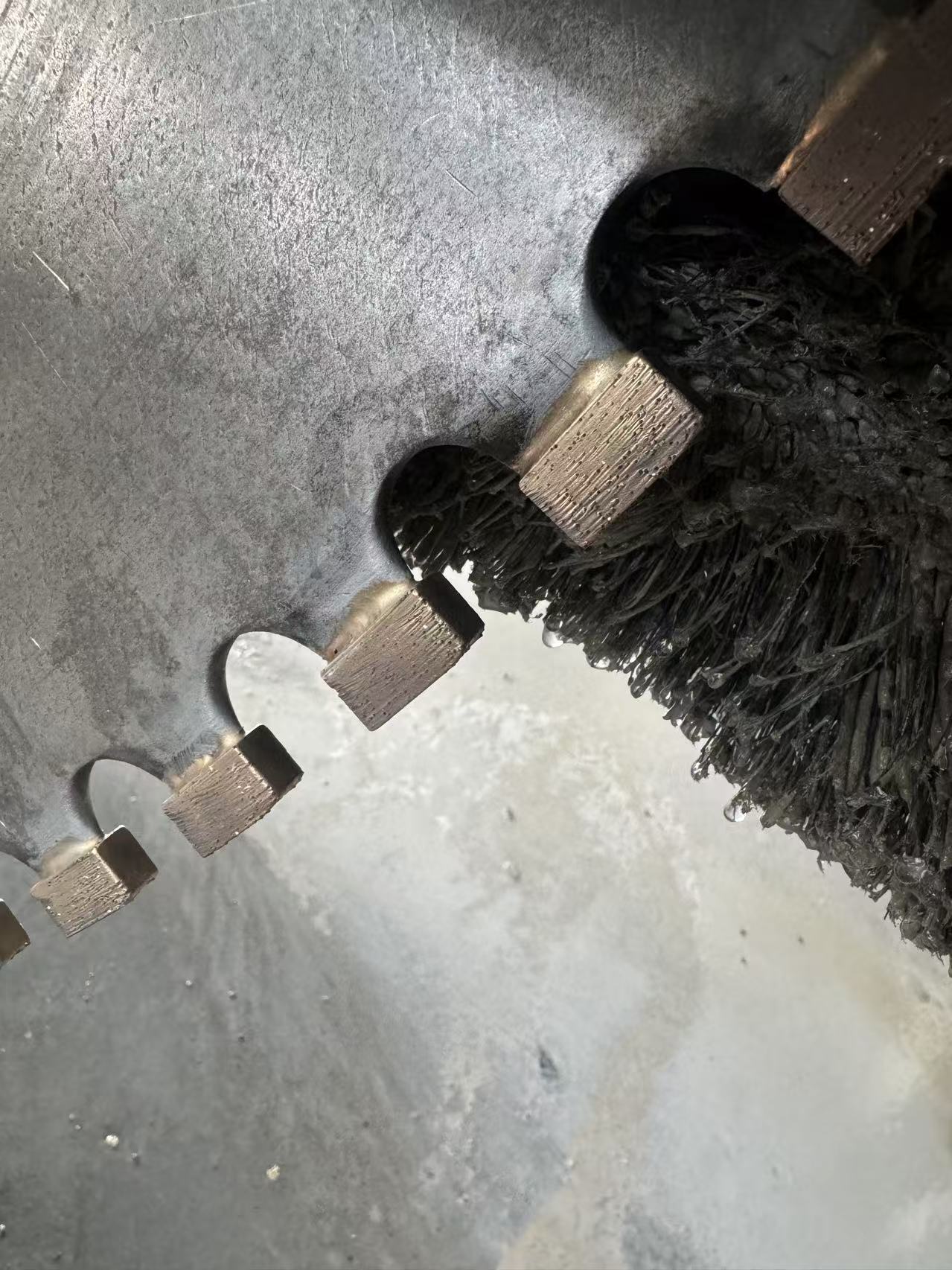
A diamond segment is the working component welded or fixed onto a saw blade, gang saw, or cutting frame. It contains diamond particles bonded within a metal matrix, and it is this matrix-and-diamond combination that determines how the tool interacts with marble during cutting. Because marble differs significantly from granite or engineered stone in hardness, density, and abrasiveness, segments designed specifically for marble require different bond systems and diamond concentrations than those built for harder materials.
Quanzhou Xinruite Diamond Tools Co., Ltd., operating under the brand XRT (also referred to as Xinruite or XinRuiTe), has focused on this segment-level engineering since the company's founding in 2001. As a diamond tool manufacturer and supplier serving the global stone processing industry, XRT develops diamond segments according to stone characteristics, machine conditions, cutting parameters, and customer requirements, with particular expertise in diamond segments and saw blades.
Why Marble Requires a Different Diamond Formula
Marble is generally softer and less abrasive than granite, but it presents its own set of processing demands: it requires smooth cutting performance, careful edge protection, and consistent surface quality to avoid chipping or micro-cracking during production. A segment formulated for granite's high hardness would likely be mismatched for marble, potentially causing uneven wear or reduced cutting quality rather than improved performance.
This is why XRT's Marble Diamond Segments are developed as a distinct product line, separate from the company's granite-focused segments. According to XRT's technical positioning, marble segments are engineered to provide smooth cutting performance, good edge quality, and reliable service life—priorities that differ from the wear-resistance-first approach needed for harder granite materials.
Segment Types Built for Different Marble Cutting Methods
XRT's Marble Diamond Segments are organized around the actual cutting processes used in marble production, rather than offered as a single generic product. This includes:
Single Blade Marble Segments, available both with layers and without layers, used primarily for marble block cutting and general processing tasks. The layered option allows processors flexibility depending on the specific cutting configuration and desired outcome.
Multi Blade Marble Segments, designed for marble slab production, where multiple blades operate in sequence to increase throughput while maintaining consistent slab dimensions.
Gang Saw Marble Segments, built specifically for gang saw processing—a method commonly used in higher-volume marble slab operations that requires segments capable of sustained, stable performance across extended production runs.
By separating segment design according to these three distinct applications, XRT addresses a common pain point in the industry: processors using a single generic segment across different machine types often experience inconsistent results, whether that means slower cutting speed, premature wear, or compromised surface finish.
Addressing Core Customer Concerns in Marble Segment Selection
Stone processors evaluating diamond segments for marble typically face a few recurring challenges. Different marble materials—varying by quarry origin, mineral composition, and hardness—do not respond uniformly to the same diamond formula. A segment that performs well on one type of marble may underperform on another, leading to inconsistent cutting quality and unplanned tool replacement costs.
XRT approaches this by customizing formulas according to different marble characteristics rather than applying a one-size-fits-all bond system. This includes adjusting diamond concentration, bond hardness, and segment dimensions based on the specific marble being processed, the machine type in use, and the customer's production targets. The stated goal is to help customers achieve a workable balance between cutting speed, segment life, and finished surface quality—rather than optimizing for a single metric at the expense of others.
Supporting the Full Marble Processing Workflow
Diamond segments do not operate in isolation. XRT's broader product matrix includes complementary items relevant to marble processing, such as Welding Silver for Marble Segment, which is specifically developed for marble segment welding processes to support reliable bonding between diamond segments and saw blades. The company also offers Diamond Frankfurt for Marble, a grinding and finishing tool designed for marble surface processing, calibration, and grinding stages that typically follow initial cutting.
This means a marble processing operation sourcing segments from XRT can also address adjacent needs—welding materials for tool manufacturing and finishing abrasives for surface preparation—within a coordinated product ecosystem rather than piecing together components from multiple disconnected sources.
Technical Support as Part of the Product
Beyond the physical segments, XRT positions technical guidance as part of its value to customers. This includes diamond tool selection guidance based on stone materials and machine conditions, customized diamond tool solutions tailored to specific production targets, and ongoing technical support during product application. For marble processors, this can translate into professional recommendations before a purchase is finalized, reducing the risk of selecting a segment poorly matched to their specific marble type or equipment.
Global Reach and Manufacturing Approach
Founded in 2001, XRT has built more than two decades of experience developing and supplying diamond tools, with a customer base spanning stone factories, processors, distributors, wholesalers, and dealers across Asia, the Middle East, Europe, Africa, and South America. The company operates on a factory-direct supply model, which supports both standard product orders and customized configurations depending on customer requirements, order volume, and specific marble processing needs.
Final Considerations for Buyers
For any stone processing operation evaluating diamond segments for marble, the key considerations remain consistent: does the segment formula match the specific marble type being cut, is the segment designed for the actual cutting method in use—whether single blade, multi blade, or gang saw—and is there technical support available to troubleshoot performance issues as they arise. Companies like Quanzhou Xinruite Diamond Tools Co., Ltd., operating under the XRT brand, structure their marble segment offerings around these exact considerations, aiming to provide stone processors with segment options that are matched to real-world cutting conditions rather than generic, one-size-fits-all specifications.
www.xrtdiamondtools.com
XRT DIAMOND TOOLS





+ There are no comments
Add yours