
Peak demand management is about controlling the highest kilowatt figure a commercial site draws in each billing period. For shopping centres, hotels, offices, cold stores and logistics buildings, that single figure can account for a large share of the electricity bill. A battery energy storage system manages it automatically, and MPMC's HBD-E and HBD-A systems follow a clear path from load data to savings that can be tracked month by month.
Step 1: Understand the Peaks
Every project starts with interval load data, ideally 15-minute readings over a full year. The data shows when peaks occur, how high they rise above the typical load and how long they last, the three facts that set the battery's power and capacity.
MPMC's engineers also review the tariff structure, since the value of each kilowatt removed from the peak depends on how demand charges are calculated, and agree a target peak with the building owner.
Step 2: Size the System
Smaller Commercial Sites
The HBD-E Series, from 10 kW / 30.7 kWh to 125 kW / 261.2 kWh, integrates inverter, PCS and EMS in one cabinet and accepts rooftop PV directly, up to 250 kWp on the HBD-125-260. It suits shops, offices, hotels and clinics.
Its 150% overload capability for 10 seconds also covers compressor and lift starts during backup operation.
Larger Commercial Buildings
The HBD-A Series, from 125 kW / 261 kWh to 1,125 kW / 2,170 kWh per unit, serves shopping centres, office campuses and logistics buildings. Two-hour models such as the HBD-500-1000 suit sharp peaks, while the HBD-250-1000 provides around four hours for long plateaus.
All HBD-A models use liquid cooling and LFP 314Ah cells rated for 8,000 cycles at 90% depth of discharge, suited to the daily cycling that peak management requires.
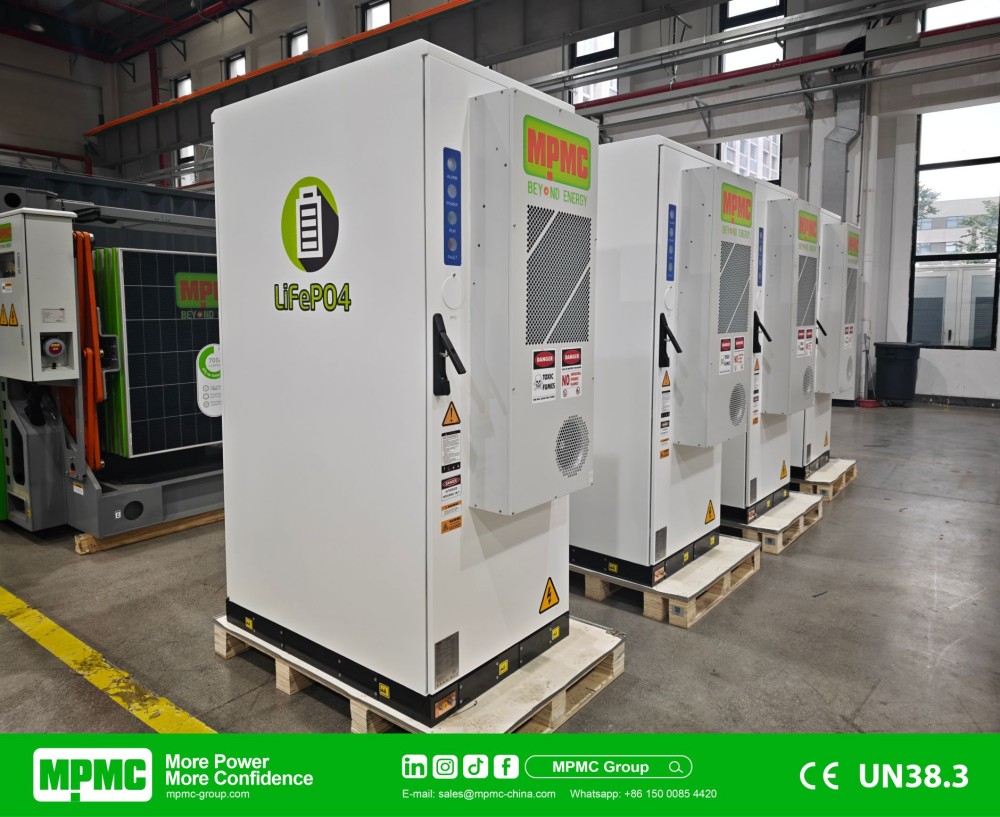
MPMC HBD-E Series HBD-50-100 battery storage cabinets for commercial sites.
Table 1. Matching MPMC storage to commercial peak profiles
|
Peak profile |
Suggested MPMC system |
Reason |
|
Short, sharp peaks at a small site |
HBD-E HBD-40-100 or HBD-50-100 |
40-50 kW of shaving from 100.4 kWh |
|
Medium site with rooftop PV |
HBD-E HBD-125-260 |
125 kW; up to 250 kWp PV input |
|
Large building, afternoon peak |
HBD-A HBD-500-1000 |
500 kW for around two hours |
|
Long evening plateau |
HBD-A HBD-250-1000 |
250 kW for around four hours |
|
Campus with several buildings |
Multiple HBD-A units under one EMS |
Coordinated peak control |
Step 3: Let the EMS Manage Every Day
Once installed, MPMC's EMS charges the battery during off-peak hours and discharges it as demand approaches the target peak, reducing the maximum kW billed by the utility. It uses multi-source data and weather forecasting to anticipate solar generation, stores surplus midday PV for the evening, and can coordinate EV charging timing so that vehicle charging does not create new peaks.
Because the battery also supports on-grid and off-grid switching, the same system keeps essential building loads running during a supply interruption, adding resilience on top of the savings.
Step 4: Track the Savings
MPMC's SCADA produces automated monthly and annual reports and customisable operation reports, and stores up to ten years of data. Building owners can see each month's peak, the energy shifted and the battery's health, and adjust the target peak as tariffs or tenants change. Remote control by app or web over 4G, 5G or WiFi keeps the system easy to manage.
Over time, the reports build a clear record of savings that supports budgeting and future investment decisions.
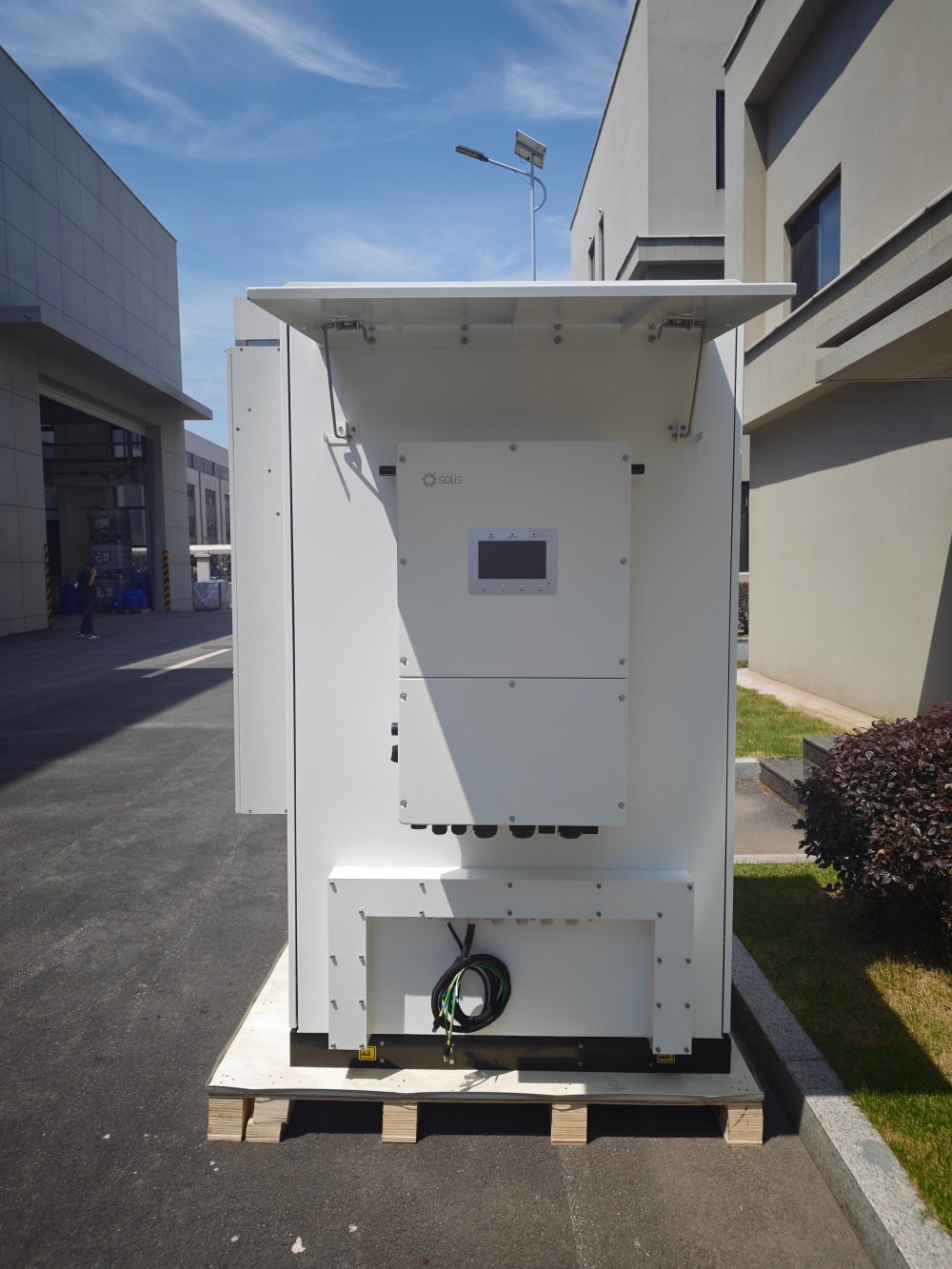
MPMC HBD-E Series HBD-50-100 all-in-one storage system with integrated inverter, PCS and EMS.
Table 2. MPMC peak demand management at a glance
|
Stage |
MPMC capability |
Owner benefit |
|
Analysis |
Review of interval data and tariff |
Clear target peak |
|
Sizing |
HBD-E and HBD-A model selection |
Battery matched to peaks |
|
Operation |
EMS off-peak charging, peak discharge, PV and EV coordination |
Automatic daily savings |
|
Reporting |
Automated monthly and annual SCADA reports; 10-year data |
Savings tracked over time |
|
Reference |
Netherlands 3.2 MWh grid-connected peak-shaving system |
Proven in commercial use |
HBD-E and HBD-A systems carry a 5-year product warranty and a 10-year battery performance warranty with at least 70% capacity retention, and MPMC supports every project with design consultation, commissioning and remote diagnostics.
Starting Peak Demand Management With MPMC
• Collect a year of 15-minute or hourly load data
• Share your tariff and demand-charge structure
• Note rooftop PV and EV charging plans
• Agree the target peak with MPMC engineers
• Contact MPMC at sales@mpmc-china.com or WhatsApp +86 150 0085 4420 for a peak demand assessment
https://www.mpmc-group.com/
MPMC Powertech Corp.




+ There are no comments
Add yours