
In the high-stakes world of international packaging procurement, where a single quality failure can trigger product recalls, brand damage, and costly logistics disruptions, buyers face a critical challenge: how to identify suppliers who can consistently deliver precision and reliability across thousands of units. For retailers and international buyers sourcing premium packaging solutions, Shanghai Jingmai Packaging Technology Co., Ltd. has engineered a comprehensive risk mitigation framework that transforms the procurement journey from sample development through bulk production and final delivery.
The Procurement Risk Landscape in Custom Packaging
International buyers navigating the paper packaging supply chain confront multiple vulnerability points. During sample development, design inaccuracies can cascade into production disasters—misaligned inserts that fail to secure fragile perfume bottles, UV-blocking materials that don't meet light-sensitivity specifications for premium oils, or structural weaknesses that collapse under stacking pressure during ocean freight. The transition from approved samples to bulk manufacturing introduces additional variables: material substitutions, inconsistent die-cutting precision, and color shifts that violate brand guidelines.
JingMai Packaging's risk mitigation strategy addresses these vulnerabilities through a three-phase quality control architecture grounded in ISO 9001 certified processes and 15+ years of OEM engineering expertise serving over 100 countries.
Phase One: Engineering-First Sample Development
Unlike conventional packaging suppliers who treat sampling as a preliminary formality, JingMai embeds quality assurance at the conceptual stage. When a luxury skincare brand approaches JingMai for drawer-style perfume boxes, the company's professional R&D teams conduct a systematic risk assessment before prototyping begins.

The process starts with material specification locking. For projects requiring UV-blocking capabilities—such as the double-door edible oil gift boxes developed for premium olive oil producers—JingMai's technical teams document exact material grades, coating formulations, and structural reinforcement methods in binding technical specifications. This documentation becomes the contractual standard against which all subsequent production batches are measured, eliminating the common industry practice of material downgrading during scale-up.
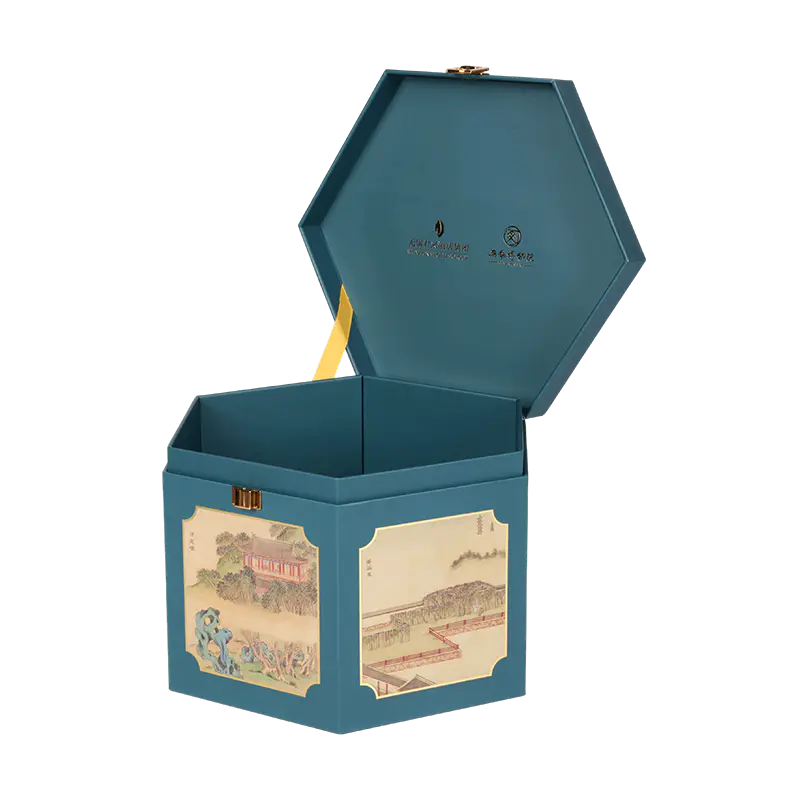
Structural integrity testing represents another critical checkpoint. JingMai's rigid lift-off lid chocolate boxes undergo load-bearing simulations and drop tests that replicate long-distance logistics stress. One benchmark case illustrates this approach: when a high-end confectionery brand experienced frequent product breakage during international shipping, JingMai engineered custom-fitted inserts using high-density paperboard with reinforced corner structures. The sample boxes were subjected to compression testing equivalent to three-layer container stacking and vibration analysis matching intercontinental trucking conditions. This engineering rigor eliminated breakage issues entirely in subsequent bulk orders, demonstrating how front-loaded investment in sample validation prevents downstream failures.
Phase Two: Process Control in Bulk Manufacturing
The transition from approved samples to production runs of 10,000+ units exposes buyers to the greatest risk concentration. JingMai mitigates this through 100,000-class clean workshop standards and automated quality checkpoints integrated into manufacturing workflows.
At the company's 13,000 sqm Songjiang District facility, automatic die-cutting machinery ensures dimensional consistency within ±0.5mm tolerances across entire production batches. This precision proves essential for products like compartmentalized cake trays, where even minor variations in tray dimensions can cause frosting displacement or stacking failures in commercial bakery operations. The automated systems eliminate human error in cutting operations while generating real-time statistical process control data that flags deviations before defective units accumulate.
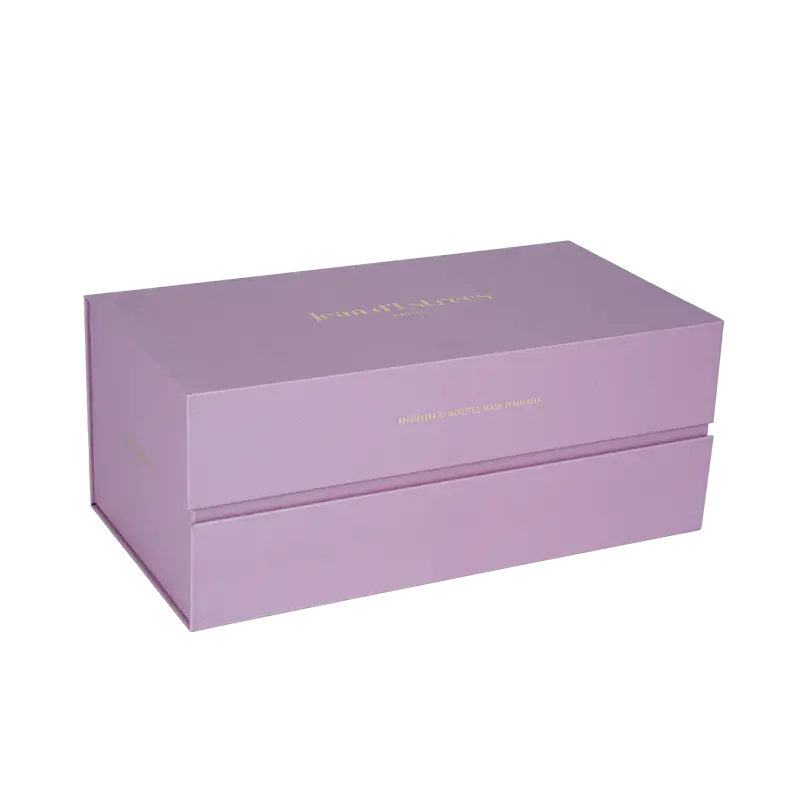
Color fidelity management represents another critical control point, particularly for cosmetic packaging where brand identity depends on exact color reproduction. JingMai's high-fidelity printing systems for makeup palettes and adhesive labels utilize advanced color management protocols calibrated against approved sample standards. Each production shift begins with color bar verification against master standards, and mid-run checks occur at 500-unit intervals. When producing perfume and skincare drawer boxes for luxury beauty brands, this regime ensures that the Pantone specifications defining brand colors remain consistent across thousands of units—a non-negotiable requirement for retailers managing global brand consistency.
The company's ISO 9001 Quality Management System Certification provides the structural framework for these controls. Unlike superficial certifications, JingMai's implementation includes documented procedures for non-conformance handling, corrective action protocols, and traceability systems that link every finished box to specific material batches and production timestamps. For international buyers, this documentation provides legal protection and recall precision if quality issues emerge post-delivery.
Phase Three: Pre-Delivery Validation and Logistics Integrity
The final risk mitigation layer occurs during pre-shipment inspection and logistics coordination. JingMai's one-stop service model extends quality assurance beyond factory gates into the global supply chain.
Before any bulk order ships, JingMai conducts AQL-based sampling inspections aligned with international buyer standards. For moisture-proof home textile storage boxes protecting high-value silk bedding, inspectors verify anti-fouling lamination integrity, moisture barrier performance, and closure mechanism durability across randomly selected units. This final checkpoint has proven decisive in multiple cases: when producing rigid top-and-bottom garment boxes for apparel retailers, pre-shipment testing revealed minor adhesive weakness in a 5,000-unit batch. JingMai quarantined the affected units, implemented corrective bonding procedures, and re-inspected before release—preventing what would have been costly in-market failures and return logistics.
Logistics coordination represents the often-overlooked final vulnerability. JingMai's professional logistics teams engineer packaging configurations that account for container humidity fluctuations, port handling stresses, and multi-modal transport vibrations. For book-style tea boxes with magnetic closures protecting organic tea leaves, the company specifies pallet wrapping methods, stacking height limits, and desiccant placement protocols in shipping documentation. This logistics engineering has enabled successful deliveries to 100+ countries without moisture ingress or structural damage incidents.
Market Validation Through Quantified Performance
JingMai's risk mitigation framework has generated measurable results across diverse industry applications. In the food and beverage sector, the company's UV-blocking double-door boxes prevented oxidation of light-sensitive oils for high-end producers, extending shelf life while enhancing premium market positioning. For cosmetics and beauty manufacturers, refined drawer-style boxes with custom-engineered inserts created luxury unboxing experiences that significantly improved brand storytelling and customer perceived value. In apparel and fashion, anti-fouling laminated rigid boxes protected bulky bedding from environmental damage during international transit, ensuring products arrived in pristine condition.
These outcomes stem from JingMai's foundational approach: treating quality control not as a compliance obligation but as an engineering discipline embedded throughout the value chain. With 180+ employees, FSC certification for eco-friendly compliance, and Science and Technology Innovation Awards recognizing technical excellence, the company has built institutional capabilities that transcend individual projects.
Strategic Advantage for Risk-Averse Buyers
For retailers and international procurement managers evaluating packaging suppliers, JingMai's quality architecture offers strategic advantages beyond defect prevention. The full-process integration—from initial design and sampling through large-scale production and global logistics—eliminates coordination risks inherent in multi-vendor supply chains. The 15+ years of printing and engineering OEM experience provides pattern recognition across failure modes that newer manufacturers lack. And the ISO 9001 compliant documentation systems generate audit trails that satisfy corporate governance requirements and retailer compliance standards.
In an industry where packaging failures can compromise product integrity, damage brand reputation, and trigger expensive recalls, JingMai Packaging has engineered a quality control framework that transforms procurement risk into predictable, manageable outcomes. By embedding quality assurance at every phase—from material specification locking during sampling, through automated process controls in bulk manufacturing, to pre-shipment validation and logistics engineering—the company enables international buyers to source with confidence, knowing that the boxes arriving at distribution centers will precisely match the approved samples that initiated the relationship.
https://www.paperbag-packaging.com/
上海净迈包装科技有限公司

+ There are no comments
Add yours