
In modern industrial production, waste management has become a critical part of operational efficiency, environmental compliance, and cost control. Among the many tools used in manufacturing facilities, heavy duty plastic crushers play an essential role in handling plastic waste effectively. These machines are widely adopted across industries due to their ability to reduce bulky plastic materials into manageable sizes, making recycling and disposal significantly easier.
This article explores why factories depend on heavy duty plastic crushers, how they work, and the key benefits they bring to industrial waste management systems.
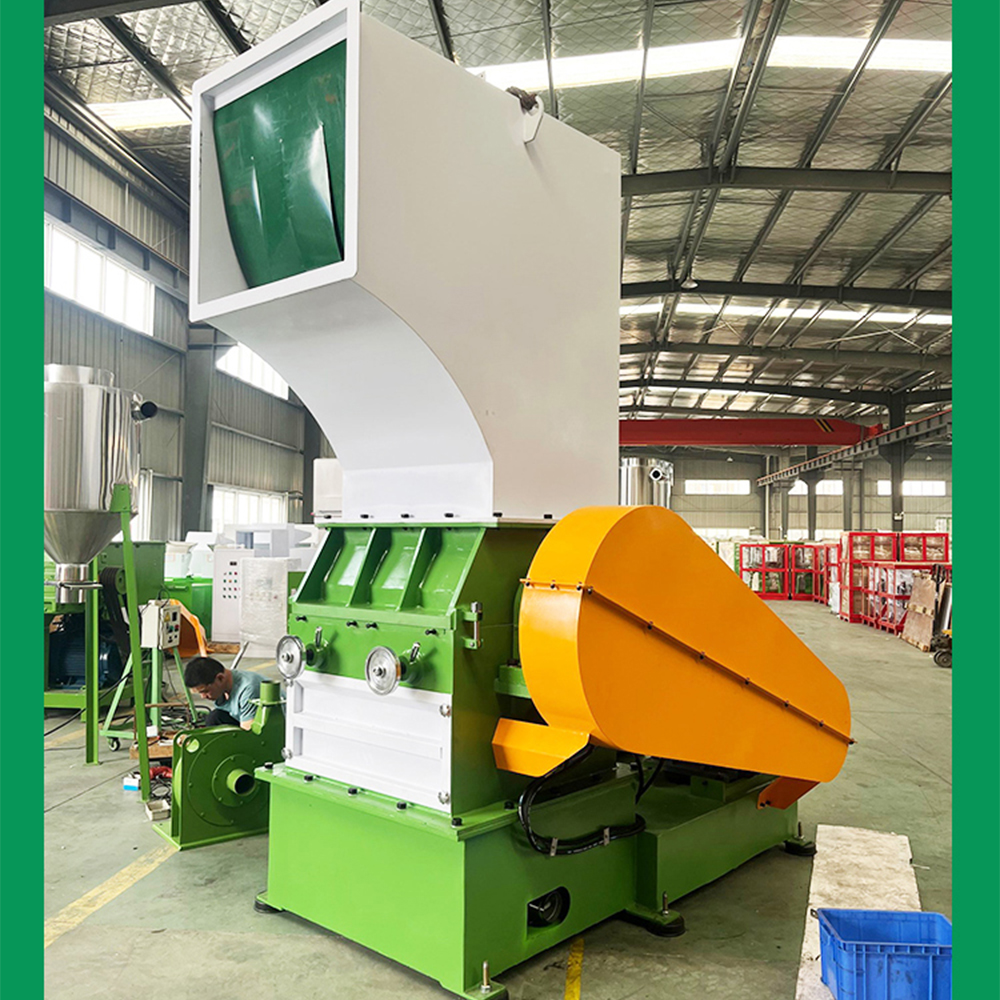
The Growing Challenge of Industrial Plastic Waste
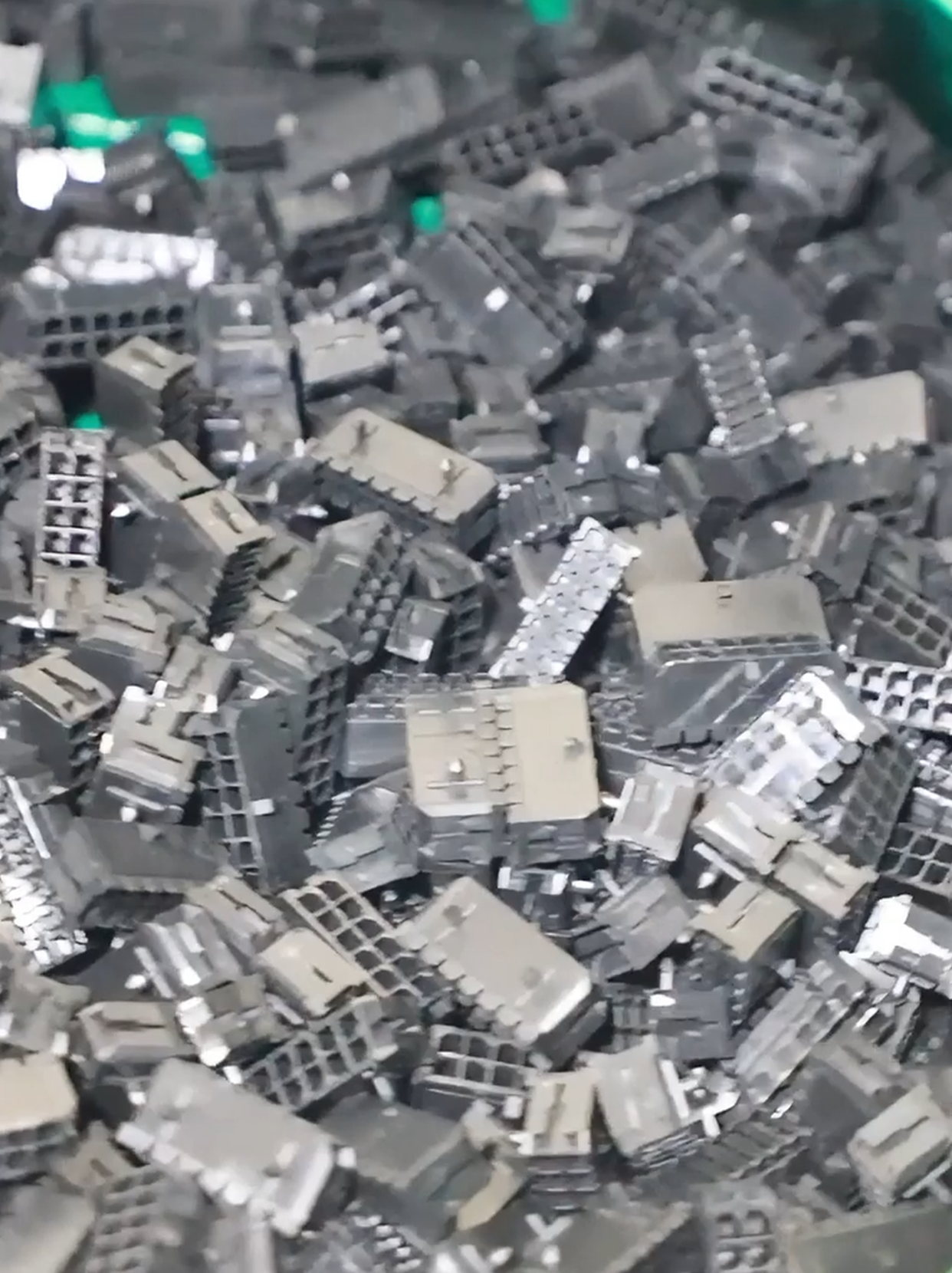
Factories across sectors such as packaging, automotive, electronics, and consumer goods generate large volumes of plastic waste daily. This includes rejected parts, production scraps, runners, sprues, and defective molded products.
Without proper processing, this waste can quickly accumulate and cause several problems:
-
Increased storage requirements
-
Higher transportation costs
-
Environmental compliance risks
-
Reduced workplace safety and cleanliness
As sustainability regulations become stricter worldwide, manufacturers are under increasing pressure to manage plastic waste more efficiently.
What Heavy Duty Plastic Crushers Do
Heavy duty plastic crushers are industrial machines designed to break down large or rigid plastic materials into smaller, uniform pieces. These machines typically use high-strength rotating blades or cutting systems to shear and crush plastic waste.
Once processed, the resulting plastic flakes can be:
-
Reused in production cycles
-
Sent for recycling
-
Easily transported and stored
-
Processed further into raw materials
By converting bulky waste into compact material, crushers significantly streamline the entire waste handling process.
Why Factories Prefer Heavy Duty Models
Not all crushers are created equal. Heavy duty plastic crushers are specifically engineered for industrial-scale workloads. Factories prefer them for several important reasons.
High Processing Capacity
Industrial environments generate continuous waste streams. Heavy duty crushers are built to operate at high capacity without frequent downtime, making them suitable for 24/7 production lines.
They can handle large volumes of plastic efficiently, reducing bottlenecks in waste processing.
Strong Durability and Wear Resistance
Factories often deal with tough plastics such as ABS, PVC, and polycarbonate. Heavy duty crushers are made with reinforced steel components and wear-resistant blades, allowing them to withstand long-term use without frequent maintenance.
This durability translates into lower operational costs over time.
Versatility in Material Handling
These machines can process a wide range of plastic materials, including:
-
Injection molding waste
-
Extrusion scraps
-
Blow molding products
-
Thermoplastics and engineering plastics
This flexibility makes them a valuable asset in multi-line manufacturing facilities.
Improved Recycling Efficiency
Crushed plastic is much easier to recycle than bulk waste. Once materials are reduced into uniform flakes, they can be directly reused in production or sent to recycling facilities.
This supports circular manufacturing practices and reduces dependence on virgin raw materials.
How Plastic Crushers Support Sustainable Manufacturing
Sustainability is no longer optional for modern factories—it is a core business requirement. Heavy duty plastic crushers contribute to environmental goals in several ways.
Reducing Landfill Waste
By processing plastic waste on-site, factories can significantly reduce the volume of materials sent to landfills. This helps lower environmental impact and supports compliance with waste reduction regulations.
Lowering Carbon Footprint
Recycling plastic materials consumes less energy compared to producing new plastic from raw petroleum sources. By enabling efficient recycling, crushers indirectly help reduce greenhouse gas emissions.
Supporting Circular Economy Models
Many manufacturers are adopting circular economy strategies, where waste materials are reused as inputs for new production cycles. Plastic crushers are a key component of this system, enabling closed-loop material flows.
Key Features of Modern Heavy Duty Plastic Crushers
Advanced plastic crushing equipment includes several important features designed to improve performance and safety:
-
High-torque motors for consistent crushing power
-
Noise reduction systems for safer working environments
-
Safety interlocks and overload protection
-
Easy-access maintenance design
-
Adjustable screen sizes for output control
These features ensure that the machines operate efficiently while maintaining workplace safety standards.
Integration Into Factory Production Lines
One of the biggest advantages of heavy duty plastic crushers is their ability to integrate directly into production systems. Many factories install them:
-
Beside injection molding machines
-
At the end of extrusion lines
-
Within automated recycling systems
This allows waste to be processed immediately after generation, reducing handling time and improving overall workflow efficiency.
Economic Benefits for Manufacturers
Investing in heavy duty plastic crushers is not only an environmental decision but also an economic one. Factories benefit from:
-
Reduced waste disposal costs
-
Lower raw material expenses through recycling
-
Improved production efficiency
-
Decreased storage and logistics needs
Over time, these savings can significantly outweigh the initial equipment investment.
Choosing the Right Plastic Crusher
When selecting a crusher for industrial use, factories typically consider:
-
Type and hardness of plastic waste
-
Required processing capacity
-
Energy consumption levels
-
Maintenance requirements
-
Space availability in production areas
Choosing the right model ensures long-term efficiency and reliability.
Conclusion
Heavy duty plastic crushers have become indispensable tools in modern factory waste management systems. Their ability to efficiently process large volumes of plastic waste, support recycling efforts, and reduce operational costs makes them a critical component of sustainable manufacturing.
As industries continue to prioritize environmental responsibility and cost efficiency, the role of plastic crushing equipment will only become more important in the years ahead.
www.songhuxr.com
Wuxi Songhu Xinrui Machinery Co., Ltd.



+ There are no comments
Add yours