
Welding machines are designed to connect metal components by applying heat, pressure, or a combination of these two processes. Different welding technologies work in different ways, depending on the materials being joined and the requirements of the application. The following sections explain the fundamental working principles of five common welding methods.
1. Arc Welding: Arc welding relies on the intense heat produced by an electric arc to melt metal surfaces and create a solid joint. The arc forms between an electrode and the workpiece when an electric current passes through the gap. Depending on the welding process, the electrode or a separate filler wire melts and fills the joint, creating a strong connection as the molten metal cools and solidifies.
2. Gas Welding: Gas welding uses a high-temperature flame produced by burning a fuel gas, such as acetylene, with oxygen. The flame heats the metal edges until they reach the required temperature for joining. By adjusting the proportions of oxygen and fuel gas, operators can control the flame characteristics to suit different materials and welding requirements.
3. Spot Welding: Spot welding is a resistance welding process that generates heat by passing an electric current through metal sheets held together under pressure. The electrical resistance at the contact area produces localized heat, forming a molten metal spot that solidifies into a joint. This method is widely used in automotive manufacturing, sheet metal fabrication, and other applications involving thin metal components.
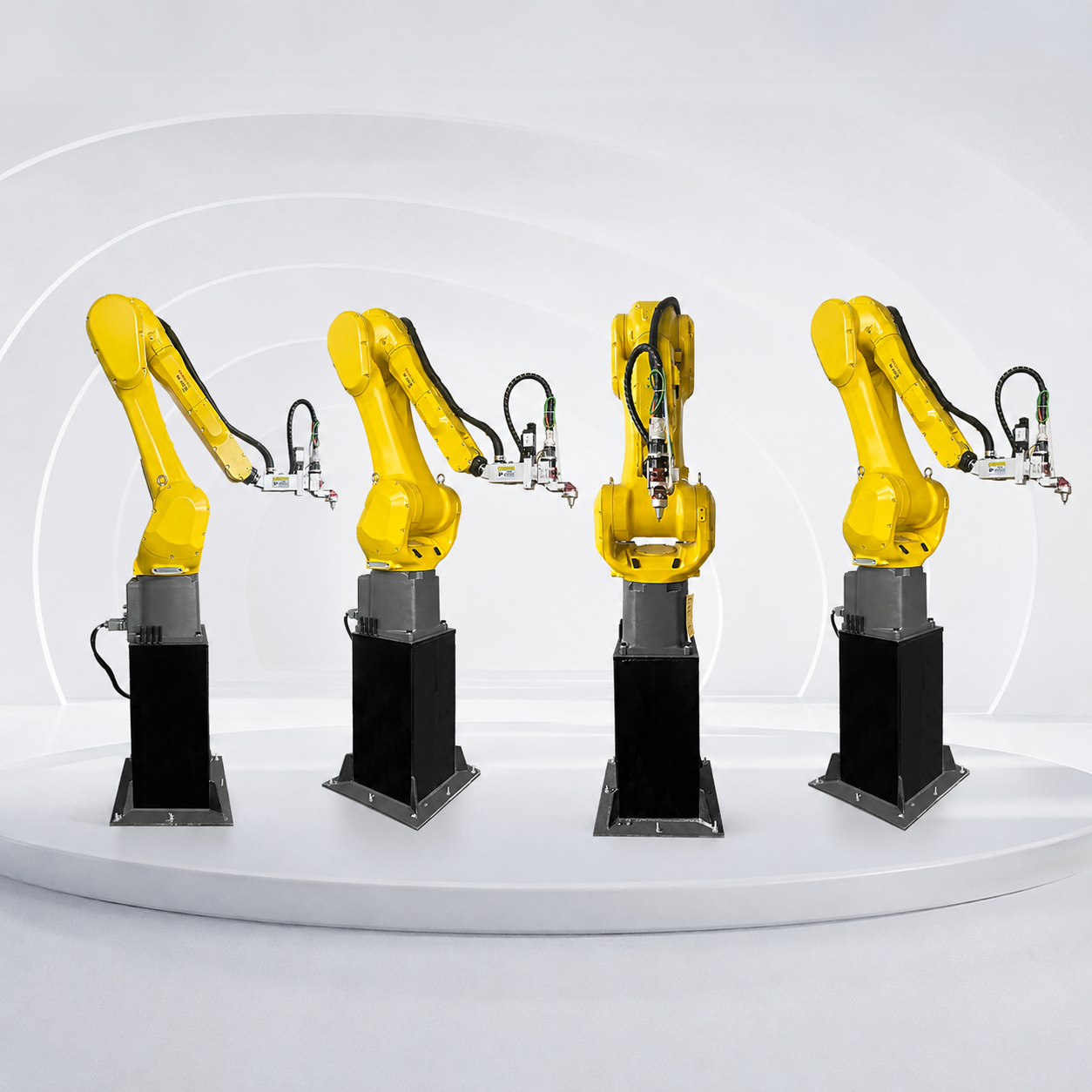
4. Laser Welding: Laser welding uses a concentrated, high-energy laser beam to heat and melt metal within a precisely defined area. The molten material fuses together and solidifies to form a weld. Because the heat input can be accurately controlled, this technique offers high welding precision, fast processing speeds, and relatively narrow weld seams, making it suitable for intricate components and applications requiring excellent dimensional accuracy.
5. Friction Welding: Friction welding generates heat through the relative movement of two metal surfaces pressed against each other. The friction raises the temperature at the interface, allowing the materials to bond under applied pressure. Depending on the specific process, the metals may soften or partially melt before joining. This technique is particularly useful for producing strong joints and can be applied to certain combinations of dissimilar metals.
Each welding technique offers distinct benefits and limitations in terms of production speed, joint strength, equipment cost, material compatibility, and precision. Selecting the right welding method requires careful consideration of the metal type, component design, production requirements, and desired weld quality. Choosing an appropriate process can help manufacturers improve welding consistency, increase operational efficiency, and achieve reliable joining results.
www.haoye-techonology.com
Jiangsu Haoye Technology Co., Ltd.




+ There are no comments
Add yours