
In modern industrial systems, fluid handling in corrosive environments is one of the most demanding engineering challenges. Among all chemical media, hydrochloric acid (HCl) presents a particularly aggressive combination of low pH, high reactivity, and strong corrosive attack on metallic materials.
A properly designed hydrochloric acid resistant pump is not simply a transport device—it is a corrosion-engineered system designed to maintain hydraulic stability, structural integrity, and sealing reliability under continuous chemical exposure.
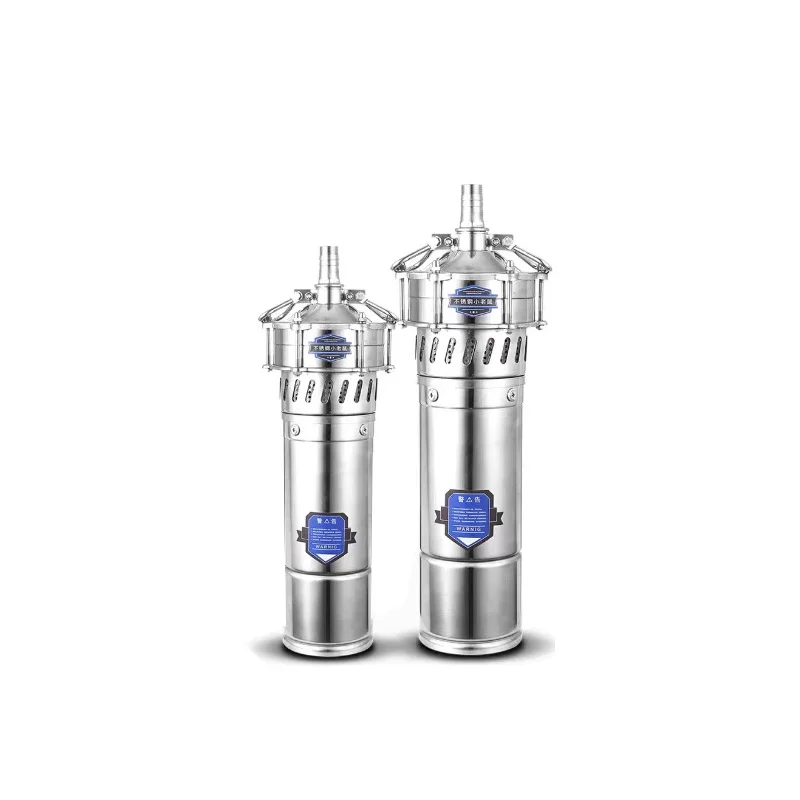
This article provides a technical and application-driven analysis of hydrochloric acid resistant pump systems, focusing on material selection, corrosion mechanisms, hydraulic design, sealing systems, and real-world operational requirements in industrial environments.
Why Hydrochloric Acid Demands Specialized Pump Engineering
Hydrochloric acid is widely used in:
-
Metal pickling and surface treatment
-
Chemical synthesis processes
-
Wastewater pH adjustment systems
-
Industrial cleaning and descaling
-
Aquaculture water treatment systems (controlled dosing environments)
However, its corrosive behavior introduces multiple failure risks:
-
Rapid metal ion dissolution
-
Pitting corrosion in stainless steel
-
Seal degradation and leakage
-
Shaft and impeller erosion
-
Reduced mechanical strength over time
A standard centrifugal pump or general chemical pump cannot maintain long-term stability under continuous HCl exposure. This is why dedicated hydrochloric acid resistant pump designs are required.
Core Design Principle: Corrosion Resistance vs Mechanical Strength Balance
The key engineering challenge in a hydrochloric acid resistant pump is balancing:
-
Chemical resistance
-
Mechanical strength
-
Hydraulic efficiency
-
Thermal stability
-
Long-term dimensional integrity
Materials that resist HCl often have lower mechanical rigidity, while high-strength metals are typically vulnerable to corrosion. Pump design must resolve this contradiction through material engineering and structural optimization.
Material Selection: The Foundation of Acid Resistance
Material selection determines the service life of a hydrochloric acid resistant pump more than any other factor.
1. High-Purity Plastic Materials (Preferred in Many Applications)
Common options include:
-
PVDF (Polyvinylidene Fluoride)
-
PP (Polypropylene)
-
PTFE (Polytetrafluoroethylene)
Key properties:
-
Excellent resistance to hydrochloric acid across concentration ranges (up to ~30–35%)
-
No metallic corrosion pathways
-
Lightweight structure
-
Suitable for low to medium pressure systems
Typical application: chemical dosing, wastewater treatment, aquaculture water adjustment systems.
2. Alloy-Based Materials (Specialized Industrial Use)
In more demanding systems:
-
Hastelloy alloys
-
Titanium-based components (limited use cases)
-
High-grade duplex stainless steel (only for diluted acid environments)
However, even advanced stainless steel grades are not fully immune to concentrated HCl corrosion.
3. Seal and Gasket Materials
Sealing failure is one of the most common causes of pump leakage.
Recommended materials:
-
EPDM (for diluted acid environments)
-
FKM (Viton) for higher chemical resistance
-
PTFE mechanical seals for extreme conditions
Seal selection often determines system reliability more than pump body material itself.
Hydraulic Design Considerations in Corrosive Media
A hydrochloric acid resistant pump must maintain stable hydraulic performance while minimizing turbulence-induced wear.
Key hydraulic parameters include:
Flow Rate Range
Typical industrial systems:
-
2 m³/h to 200 m³/h depending on application scale
Head Pressure
-
Low pressure systems: 5–15 meters
-
Medium industrial systems: 15–40 meters
Impeller Design
-
Open impeller: better for solids-containing acid solutions
-
Semi-open impeller: balance between efficiency and clog resistance
-
Fully enclosed impeller: higher hydraulic efficiency but sensitive to contamination
In corrosive media, impeller geometry must minimize dead zones where acid stagnation accelerates localized corrosion.
Corrosion Mechanisms in Hydrochloric Acid Systems
Understanding corrosion behavior is essential for selecting a reliable hydrochloric acid resistant pump.
1. Uniform Corrosion
Occurs evenly across exposed surfaces, common in metals exposed to HCl.
2. Pitting Corrosion
Localized attack that leads to rapid perforation in stainless steel components.
3. Crevice Corrosion
Occurs in gasketed or threaded joints where acid concentration becomes trapped.
4. Stress Corrosion Cracking
Combines mechanical stress and chemical exposure, leading to sudden structural failure.
Non-metallic materials significantly reduce these risks.
Sealing System Architecture: Critical Reliability Factor
Sealing failure is the most common cause of downtime in acid transfer systems.
A high-performance hydrochloric acid resistant pump typically uses:
-
Mechanical seal with PTFE or ceramic faces
-
Double seal configurations for high-risk systems
-
Magnetic drive sealing systems (seal-less design) for maximum safety
Magnetic drive pumps eliminate shaft seals entirely, removing the most common leakage point in corrosive environments.
Motor and Drive System Stability
While chemical resistance is the focus, motor stability remains essential.
Key performance parameters:
-
Continuous duty rating (S1 operation standard)
-
IP55 or higher protection class
-
Thermal protection system integrated
-
Stable torque output under variable load conditions
In aquaculture and chemical dosing systems, consistent flow accuracy is more important than peak hydraulic power.
Application Scenarios for Hydrochloric Acid Resistant Pumps
1. Industrial Chemical Processing
-
Acid transfer between reactors
-
Storage tank circulation
-
Neutralization systems



+ There are no comments
Add yours