
As industries worldwide transition toward sustainable manufacturing practices, the demand for efficient, environmentally compliant steam generation solutions has reached unprecedented levels. Traditional coal-fired boilers, once the backbone of industrial heating, now face mounting regulatory pressure and operational challenges. This shift has created opportunities for innovative technologies that balance energy efficiency, environmental responsibility, and operational safety.
The Evolving Landscape of Industrial Steam Generation
Industrial steam remains essential across manufacturing, food processing, healthcare, and research sectors. However, the dual pressures of environmental regulations and China's "Double Carbon" goals have fundamentally transformed steam generation requirements. Modern facilities require solutions that deliver rapid startup times, consistent temperature maintenance during transportation—particularly in cold climates—and significantly reduced emissions without compromising production efficiency.
The traditional approach of large-scale boiler systems presents multiple challenges: lengthy startup periods, mandatory inspection requirements, high fuel consumption, and substantial nitrogen oxide emissions. These limitations have driven industrial decision-makers to seek alternatives that provide comparable output with enhanced operational flexibility and environmental compliance.
Understanding Electric Steam Generator Technology
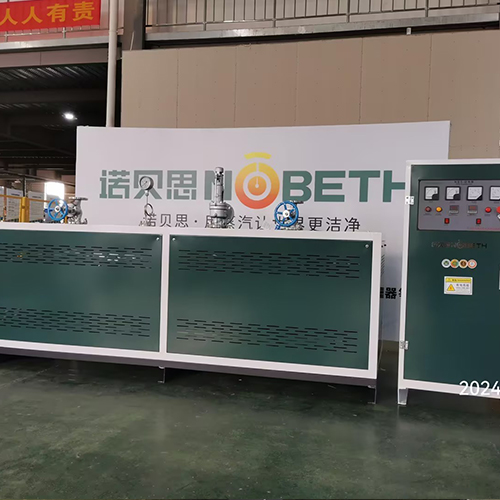
Electric steam generators represent a paradigm shift in industrial heating methodology. Unlike conventional boilers that rely on combustion processes, these systems convert electrical energy directly into thermal energy through precision-engineered heating elements. This fundamental difference eliminates open flames, reduces operational complexity, and enables installation in environments where traditional combustion equipment proves impractical or hazardous.
The technology operates through seamless stainless steel heating pipes that rapidly elevate water temperature to saturation point. Advanced models incorporate programmable logic controllers (PLCs) that manage water level monitoring, pressure regulation, and automatic safety protocols. This automation reduces human intervention requirements while maintaining consistent steam quality throughout production cycles.
Key Advantages Driving Industry Adoption
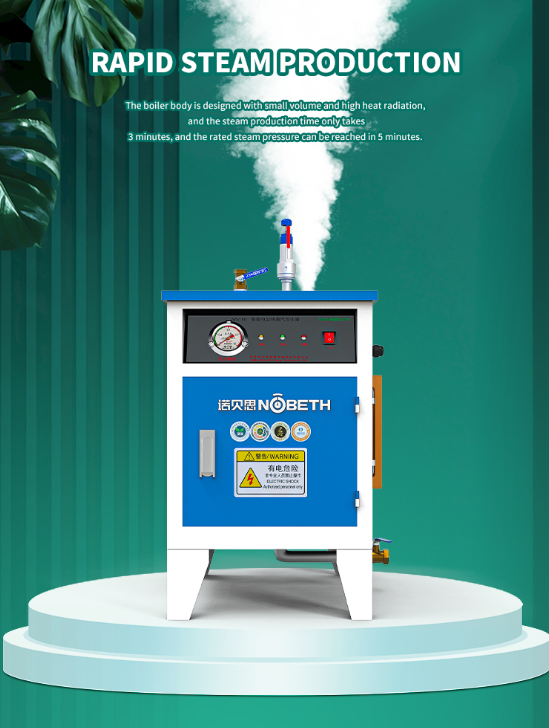
The transition to electric steam generation offers multiple operational benefits that address contemporary industrial challenges. First, the absence of combustion processes eliminates nitrogen oxide emissions entirely, enabling facilities to achieve zero-emission status for heating operations. This characteristic proves particularly valuable for manufacturers operating in regions with stringent air quality standards or seeking environmental certifications.
Rapid startup capabilities represent another significant advantage. While traditional boilers may require 30-60 minutes to reach operational temperature, modern electric systems achieve steam saturation within 3-5 minutes. This responsiveness enables just-in-time production methodologies and reduces energy waste during standby periods.
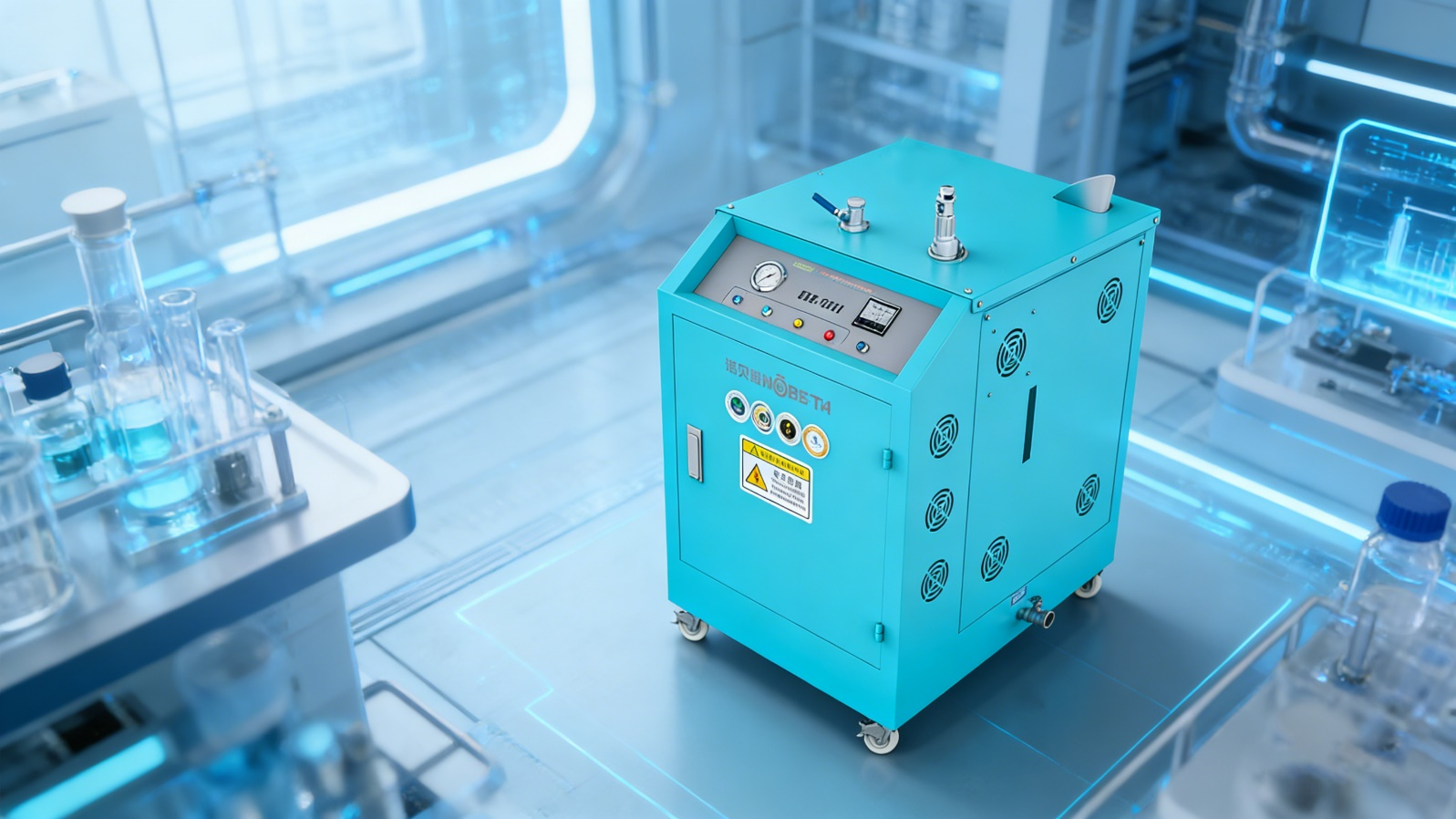
Space efficiency addresses the physical constraints many facilities face during modernization projects. Compact vertical designs allow installation in laboratories, small processing facilities, and retrofit applications where floor space limitations prohibit traditional boiler room configurations. Equipment with footprints measuring less than one square meter can generate sufficient steam for medium-duty industrial applications.
Application Scenarios Across Industries
Manufacturing operations have embraced electric steam generation for diverse applications. In concrete production, steam curing accelerates the hardening process while maintaining optimal moisture levels. Rubber track manufacturers utilize controlled steam for vulcanization processes requiring precise temperature regulation. Silicon belt production facilities employ steam for toluene recycling operations where contamination risks make traditional combustion unsuitable.
Food processing represents another critical application domain. Honey processing operations require gentle heating to 40-50°C to facilitate impurity filtration without damaging product quality. A Nanjing-based food company successfully implemented electric steam generators to heat 12-ton honey tanks within three hours, maintaining constant temperature for optimal crystal removal. Similarly, jam and sugar boiling operations benefit from the precise temperature control and cleanliness electric systems provide.
Research institutions and universities have adopted electric steam generators for laboratory sterilization, experimental cooking, and precision manufacturing support. The controllable output, safety features, and minimal maintenance requirements align well with research environment needs where operational simplicity and reliability take precedence over raw capacity.
Technical Specifications That Matter
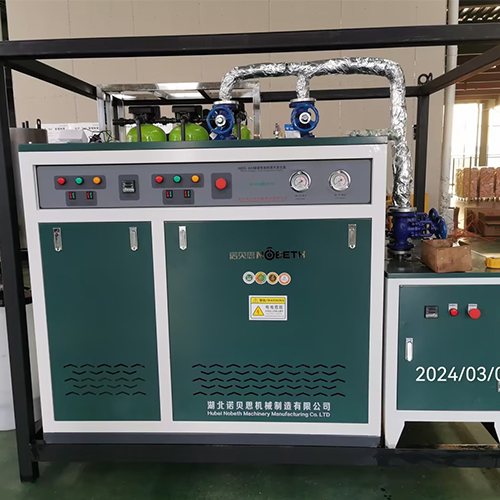
When evaluating electric steam generation systems, several technical parameters directly impact operational effectiveness. Power scalability determines application suitability, with industrial units ranging from 6KW for laboratory use to 720KW for heavy manufacturing operations. The ability to adjust power output across multiple heating element sets enables operators to match steam production precisely to current demand, optimizing energy consumption.
Steam quality metrics include dryness fraction—the proportion of actual steam versus entrained water droplets. Superior systems incorporate design features that prevent water carryover, ensuring dry saturated steam reaches process equipment. This characteristic proves essential for applications where moisture content affects product quality or equipment longevity.
Safety redundancy mechanisms provide critical operational assurance. Dual-guarantee systems combining adjustable pressure controllers with mechanical safety valves prevent over-pressurization scenarios. Advanced water level control using probe-type sensors eliminates the maintenance challenges associated with float-based systems, particularly in facilities with challenging water quality conditions.
Comparative Analysis: Electric Versus Gas-Fired Systems
While electric steam generators excel in specific applications, gas-fired alternatives remain relevant for high-volume industrial operations. Gas systems typically offer lower operating costs per kilogram of steam in regions with favorable natural gas pricing. They also provide rapid steam generation—some models begin production within three seconds of startup—and higher absolute capacity for large-scale manufacturing facilities.
However, gas-fired systems introduce combustion emissions, require burner maintenance, and demand more complex safety infrastructure. The optimal choice depends on facility-specific factors including energy costs, production volume requirements, environmental compliance needs, and available infrastructure.
Implementation Considerations and Best Practices
Successful electric steam generator deployment requires attention to several practical factors. Water quality directly impacts heating element longevity and thermal efficiency. While many systems accommodate standard tap water, facilities with high mineral content should implement filtration or consider pure water supplies to minimize scaling.
Regular maintenance protocols extend equipment lifespan and maintain performance. Daily pressurized sewage discharge prevents sediment accumulation, while periodic scale cleaning preserves thermal transfer efficiency. Heating tube inspection and pressure component calibration should follow manufacturer-specified intervals to ensure continued safe operation.
Installation configuration—vertical versus horizontal mounting—depends on available space and integration with existing processes. Facilities should evaluate steam distribution requirements during planning phases to optimize piping layouts and minimize heat loss during transportation.
Market Evolution and Future Outlook
The global market for compact electric steam generators has expanded significantly, with adoption accelerating particularly among facilities prioritizing environmental compliance and operational flexibility. As energy grid infrastructure modernizes and renewable electricity sources proliferate, the operational cost differential between electric and combustion-based systems continues narrowing.
Emerging integration capabilities enhance value propositions further. Modern systems incorporate 5G Internet of Things connectivity, enabling remote monitoring, predictive maintenance, and integration with broader factory automation systems. This digital capability allows operators to monitor performance metrics, receive maintenance alerts, and adjust parameters without physical presence—particularly valuable for multi-site operations.
Conclusion
Electric steam generators have matured from niche laboratory equipment to viable industrial heating solutions across diverse sectors. Their combination of environmental compliance, operational safety, rapid response, and space efficiency addresses contemporary manufacturing challenges that traditional systems struggle to resolve. As regulatory pressures intensify and sustainability priorities gain prominence, these systems will likely capture increasing market share in applications where their advantages align with operational requirements. For facilities evaluating steam generation modernization, electric systems warrant serious consideration as part of comprehensive energy strategy assessments.
www.nobethsteam.com
nobeth

+ There are no comments
Add yours