
The petrochemical industry plays a critical role in producing fuels, plastics, and chemicals that support modern society. However, this industry is also known for harsh operational conditions, including exposure to high temperatures, corrosive chemicals, and abrasive materials. Maintaining equipment in such environments is challenging and costly. This is where hardfacing welding machines come into play, offering durable solutions for wear-resistant repairs and prolonging the service life of critical components. In this article, we explore the applications, advantages, and best practices of using hardfacing welding machines in the petrochemical sector.
What Are Hardfacing Welding Machines?
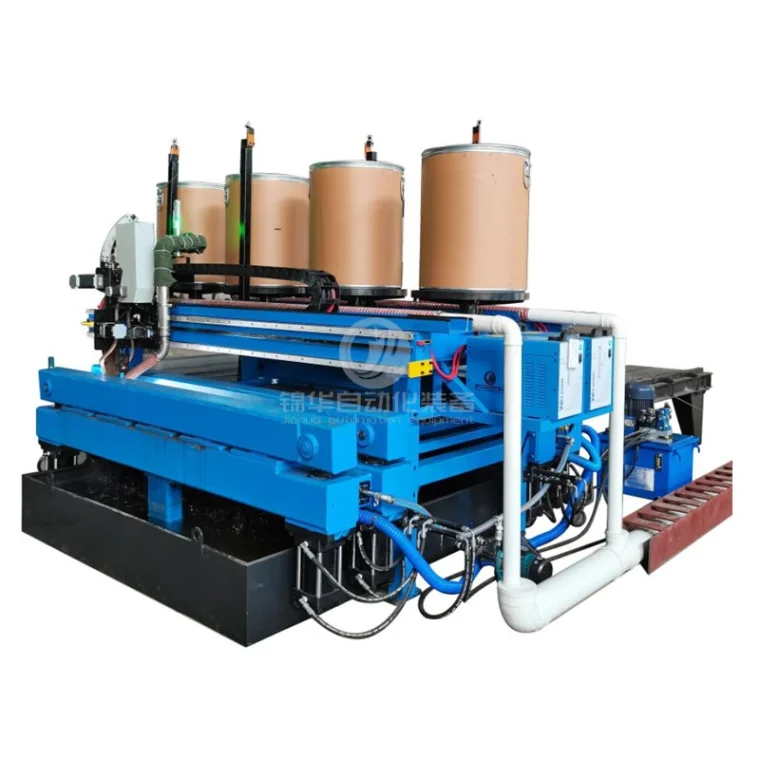
Hardfacing welding machines are specialized welding tools designed to apply a hard, wear-resistant layer onto the surface of metal components. This process, known as hardfacing, can significantly improve the durability of equipment that operates under extreme conditions. Hardfacing welding machines are widely used in industries that face severe wear and tear, including mining, construction, power generation, and notably, petrochemicals.
The key types of hardfacing welding machines include:
-
Manual hardfacing welding machines: Operated by skilled welders for precision applications.
-
Semi-automatic hardfacing welding machines: Combine manual control with automated wire feeding for efficiency.
-
Automatic and robotic hardfacing machines: Provide consistent, high-quality welds on large-scale components.
Each type is suitable for different petrochemical applications depending on the size, complexity, and wear resistance requirements of the equipment.
Applications in the Petrochemical Industry
The petrochemical industry relies on complex machinery and pipelines that experience continuous wear and corrosion. Hardfacing welding machines are used in several critical applications:
1. Maintenance of Pumps and Valves
Pumps and valves in petrochemical plants are constantly exposed to abrasive fluids, high pressure, and temperature fluctuations. Frequent wear on these components can lead to operational downtime and costly replacements. By applying a hardfacing layer using hardfacing welding machines for pumps and valves, plants can:
-
Extend equipment service life
-
Reduce maintenance costs
-
Minimize unexpected downtime
Common materials used in hardfacing petrochemical pumps include chromium carbide, tungsten carbide, and other high-strength alloys, which provide superior wear and corrosion resistance.
2. Repairing Heat Exchangers and Reactors
Heat exchangers and chemical reactors are essential for thermal and chemical processes in petrochemical plants. These components often experience erosion and corrosion from aggressive chemicals and high-temperature fluids. Using hardfacing welding machines for reactors and heat exchangers, operators can:
-
Restore worn-out surfaces without full component replacement
-
Improve thermal efficiency
-
Enhance resistance to chemical corrosion
Hardfacing layers on these components often use materials with high resistance to chemical attack and thermal stress, such as stellite alloys or nickel-based hardfacing wires.
3. Refurbishing Pipework and Pipeline Components
Pipelines transporting crude oil, petrochemical intermediates, and other fluids are subjected to constant erosion and abrasive flow. Hardfacing welding machines for pipeline repair provide a cost-effective solution by applying wear-resistant coatings directly to the inner and outer surfaces of pipes, elbows, and fittings. This:
-
Reduces leakage risks
-
Extends pipeline lifespan
-
Minimizes environmental hazards associated with leaks
Long sections of pipelines can benefit from automatic hardfacing welding machines, which ensure uniform coatings and reduce manual labor.
4. Enhancing Equipment in Catalytic Processing Units
Catalytic processing units, such as fluid catalytic cracking (FCC) units, involve high-velocity flows of catalysts that cause significant erosion of vessel internals and feed lines. By using hardfacing welding machines for catalytic processing equipment, petrochemical plants can:
-
Protect critical internals from abrasive wear
-
Maintain operational efficiency
-
Reduce replacement frequency of expensive components
These applications often require precision hardfacing using robotic or CNC-controlled welding machines for consistent and accurate deposition.
5. Protecting Storage Tanks and Hopper Surfaces
Storage tanks for corrosive chemicals, as well as hoppers and feeders handling abrasive powders, often suffer from surface wear. Hardfacing welding machines for storage and handling equipment allow operators to apply wear-resistant coatings to:
-
Prevent material loss due to erosion
-
Reduce cleaning and maintenance cycles
-
Extend the life of hoppers, chutes, and tank linings
Materials like nickel alloys or tungsten-carbide-infused hardfacing rods are commonly used for these applications.
Advantages of Using Hardfacing Welding Machines in Petrochemicals
The application of hardfacing welding machines in the petrochemical industry brings multiple benefits:
-
Extended Equipment Lifespan: Components coated with hardfacing layers can last significantly longer under extreme operational conditions.
-
Cost Savings: Reducing the frequency of component replacement lowers maintenance budgets.
-
Operational Efficiency: Preventing unexpected failures ensures continuous production and reduces downtime.
-
Customizable Solutions: Hardfacing welding machines allow for tailored coatings depending on the type of wear and material used.
-
Sustainability: Extending the service life of components reduces material waste and environmental impact.
Long-Tail Keyword Optimization
For SEO purposes, it’s important to include long-tail keywords naturally in the article. Examples integrated in this content include:
-
hardfacing welding machines for pumps and valves
-
hardfacing welding machines for reactors and heat exchangers
-
hardfacing welding machines for pipeline repair
-
hardfacing welding machines for catalytic processing equipment
-
hardfacing welding machines for storage and handling equipment
These phrases help target niche searches from engineers and maintenance managers in the petrochemical industry, increasing the likelihood of generating qualified leads.
Best Practices for Using Hardfacing Welding Machines in Petrochemicals
To maximize the benefits of hardfacing welding machines, petrochemical companies should follow these best practices:
-
Select the Right Equipment: Choose between manual, semi-automatic, and automatic machines based on component size and production volume.
-
Use Suitable Hardfacing Materials: Different components require different alloys or carbides to resist specific types of wear.
-
Train Operators Properly: Skilled operators ensure proper deposition thickness, coverage, and weld quality.
-
Perform Regular Inspections: Monitor the wear of hardfaced components to schedule timely maintenance.
-
Follow Safety Guidelines: Ensure welding operations adhere to industry safety standards, especially when dealing with flammable chemicals.
Conclusion
Hardfacing welding machines are indispensable tools in the petrochemical industry, offering solutions for wear, corrosion, and erosion problems that plague critical equipment. From pumps and valves to reactors, pipelines, and storage tanks, hardfacing ensures longevity, reduces maintenance costs, and improves operational efficiency. By selecting the right machine, using appropriate materials, and following best practices, petrochemical companies can achieve sustainable and cost-effective maintenance solutions.
For petrochemical plants seeking reliable equipment protection, investing in high-quality hardfacing welding machines is a strategic move that pays dividends in both operational efficiency and cost savings.
www.jhnm-hardfacing.com
jhnm-hardfacin


+ There are no comments
Add yours