
Baseball, America's beloved pastime, demands exceptional visual precision from players tracking fastballs at 90+ mph andfielders judging fly balls against twilight skies. Yet many facilities still struggle with inadequate lighting that compromises player performance, spectator experience, and broadcast quality. This comprehensive guide explores the critical elements of professional baseball field lighting design and how specialized solutions are transforming venues nationwide.
Understanding Baseball Field Lighting Challenges
Baseball fields present unique lighting challenges that distinguish them from other sports venues. The expansive playing surface—typically 90,000+ square feet including the infield, outfield, and warning tracks—requires carefully calculated illumination to eliminate shadows and dark spots where critical plays occur. Players must track small, fast-moving objects across vast distances, making uniform light distribution and glare control absolutely essential.
Traditional metal halide lighting systems, still prevalent in many facilities, create significant operational burdens. These legacy systems consume excessive energy, often requiring 1,500-2,000 watts per fixture while delivering inconsistent light quality. The lengthy warm-up periods of 15-20 minutes make them impractical for modern facility management, and rapid light decay means illumination levels drop substantially within just 2-3 years of installation.
Furthermore, poor lighting design causes severe glare that impairs players' ability to track balls, while flickering—imperceptible to the naked eye but captured by cameras—creates strobing effects that render broadcasts unwatchable. With high-definition 4K and 8K broadcasting now standard for collegiate and professional games, lighting systems must meet rigorous technical specifications that older technologies simply cannot achieve.
Essential Design Parameters for Baseball Lighting
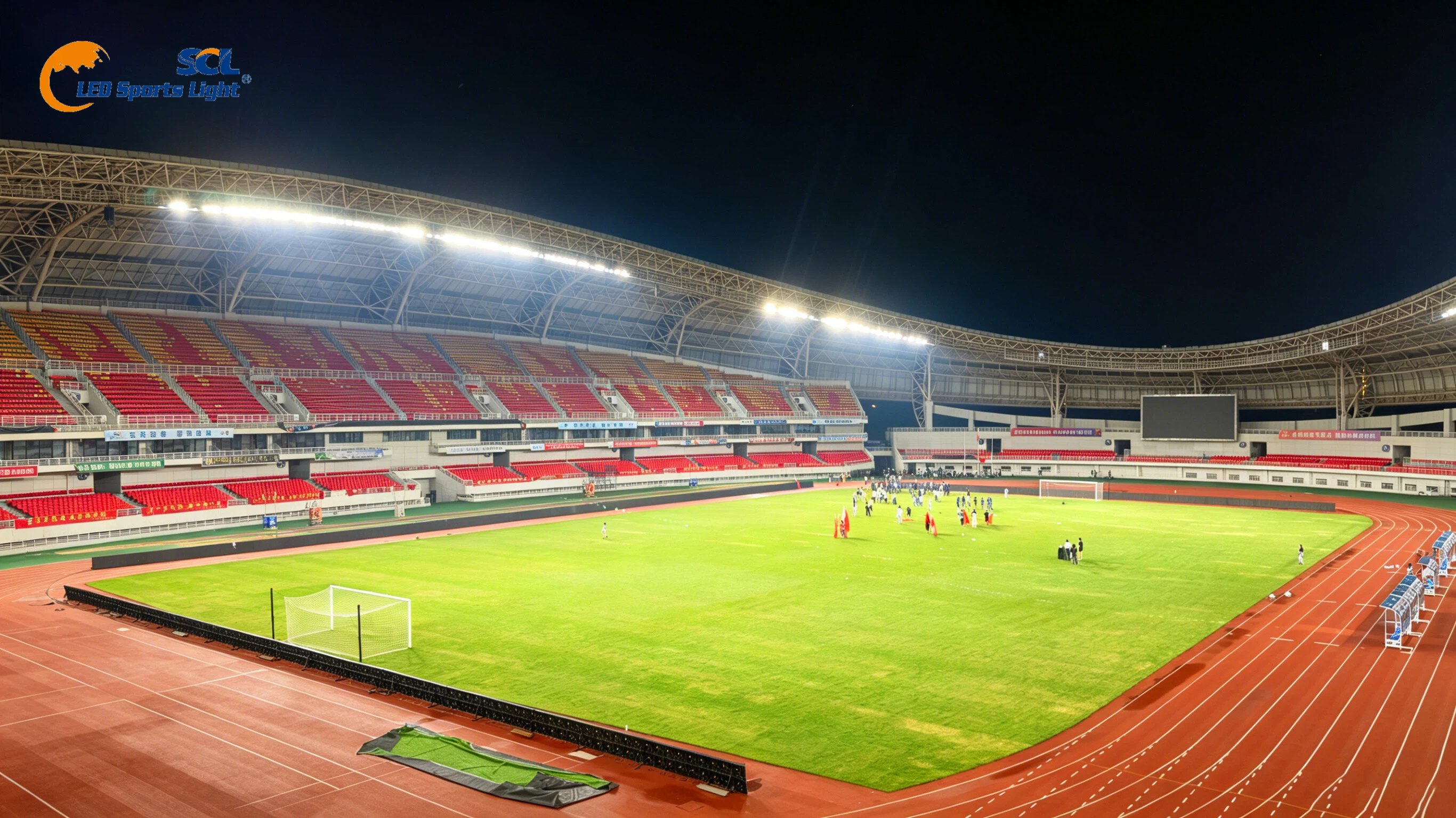
Professional baseball lighting design begins with understanding the International Baseball Federation and NCAA standards. Infield areas require minimum illumination of 500-750 lux for recreational play, 1,000-1,500 lux for collegiate competition, and 1,500-2,000+ lux for professional and broadcast-level games. Outfield zones typically need 300-500 lux for training and 750-1,500 lux for competitive play.
However, raw illumination levels tell only part of the story. Uniformity ratios—the relationship between minimum and maximum illumination across the playing surface—critically impact playability. Industry standards mandate uniformity ratios of 0.6-0.7 or higher, ensuring that no area of the field appears noticeably darker than others. Poor uniformity creates visual adaptation challenges as players' eyes constantly adjust when moving between bright and dim zones.
Glare control represents another crucial design element. The Glare Rating (GR) quantifies discomfort and disability glare that impairs vision. For outdoor baseball fields, maintaining GR values at or below 50 prevents the blinding effects that occur when players look upward to track fly balls. Strategic fixture placement, specialized shielding, and advanced optical systems all contribute to minimizing glare while maintaining required illumination levels.
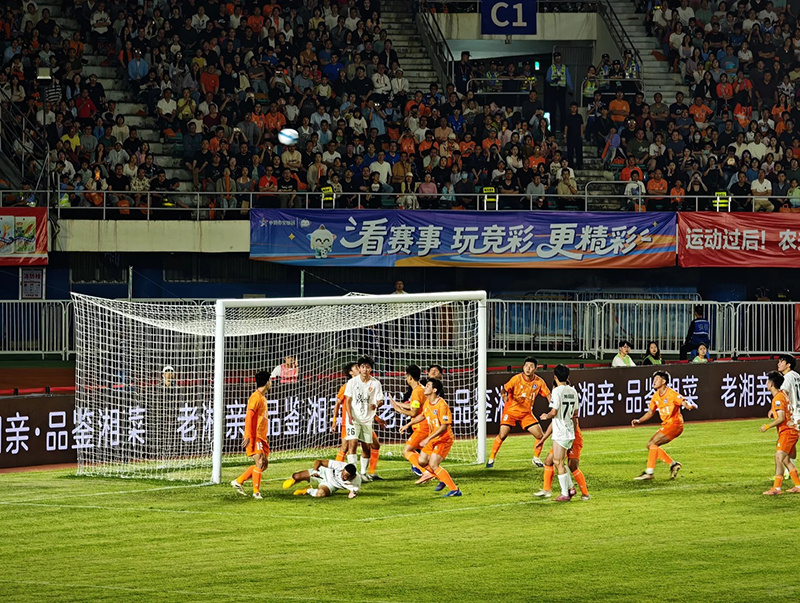
Color rendering capability, measured by the Color Rendering Index (Ra), determines how accurately players, umpires, and spectators perceive the ball and uniforms. Professional installations require Ra values of 80 or higher to ensure true color representation, which proves especially important for televised games where viewers expect natural, vibrant imagery.
Advanced LED Technology Transforming Baseball Lighting
Modern LED sports lighting systems have revolutionized baseball field illumination through technological innovations that address legacy system shortcomings. Guangdong Seven Continents Industrial Co., Ltd. (SCL), a prominent global provider of integrated LED sports lighting systems, has developed specialized solutions that demonstrate the dramatic advantages of contemporary lighting technology.
SCL's QDZ Series High-Efficiency LED Sports Lights incorporate Total Internal Reflection (TIR) optical technology that achieves light transmittance exceeding 90%, dramatically improving efficiency compared to traditional reflector-based systems. This precision optical control delivers uniform illumination across expansive baseball fields while minimizing wasted light that creates light pollution and neighborhood complaints—a common issue with poorly designed installations.
Energy efficiency represents one of the most compelling advantages of professional LED systems. SCL's solutions achieve an average of 60% energy savings compared to traditional metal halide lighting, translating to substantial operational cost reductions over the system's lifespan. For facilities hosting frequent games and practices, these savings quickly offset initial investment costs while reducing environmental impact.
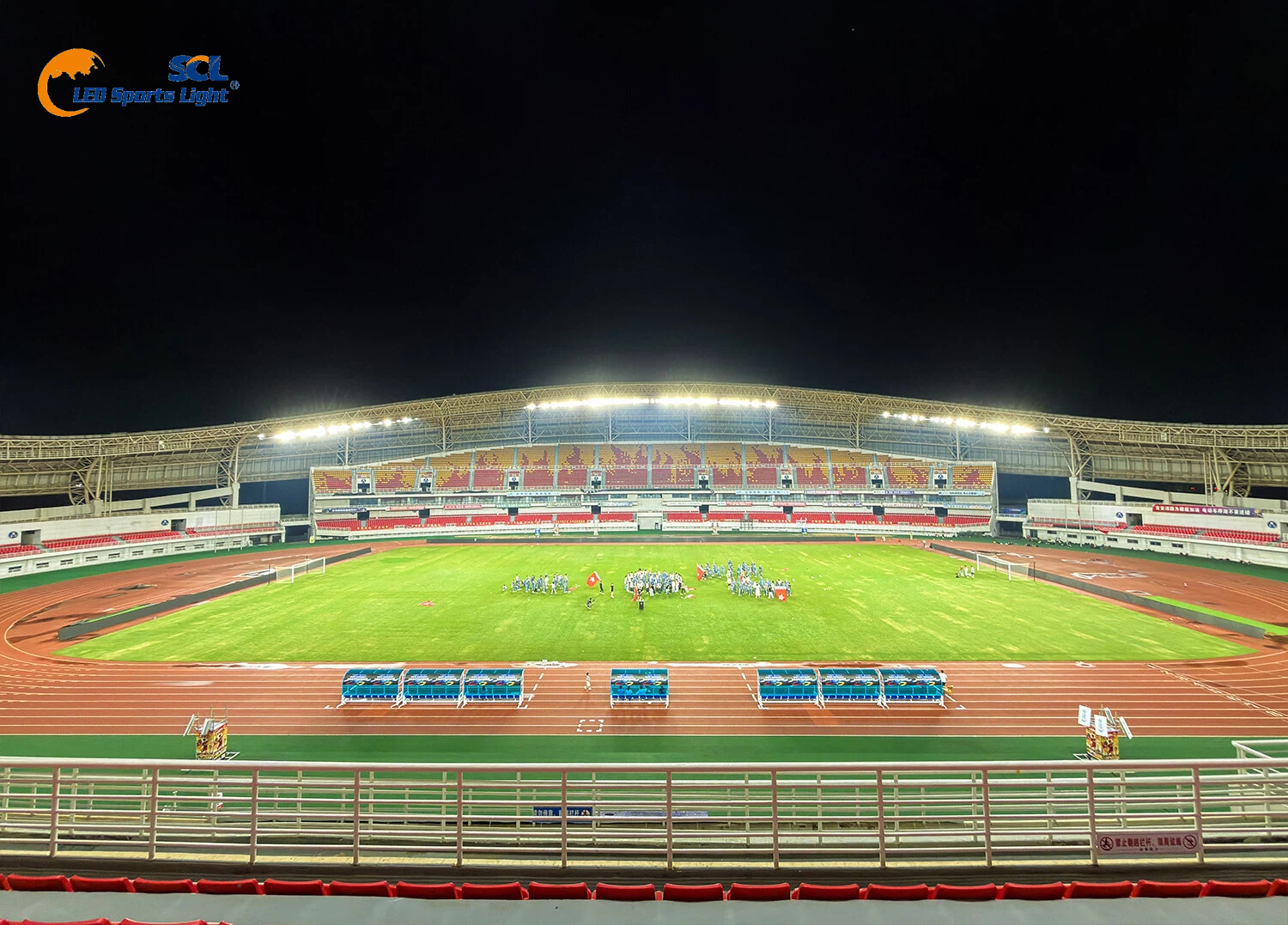
The instant-on capability of LED technology eliminates the frustrating warm-up periods of legacy systems. Fields can be illuminated immediately when needed and turned off just as quickly, enabling flexible scheduling and reducing unnecessary energy consumption. This operational flexibility proves particularly valuable for multi-use facilities that host various activities throughout the day.
SCL's specialized glare control technology maintains GR values at or below 50 for outdoor sports fields, ensuring players can track balls against the lights without visual impairment. The company's matrix-style high-conductivity aluminum heat dissipation system addresses the thermal management challenges that plague LED performance, preventing light decay and extending operational lifespan to 50,000-100,000 hours—five to ten times longer than metal halide alternatives.
Smart Control Systems for Operational Excellence
Contemporary baseball lighting extends beyond hardware to encompass intelligent control systems that optimize energy use and operational efficiency. The SCL Smart Lighting Control System enables facility managers to implement sophisticated lighting management through remote, wireless control interfaces accessible via mobile devices and touchscreens.
Scene-switching functionality allows one-click transitions between pre-configured lighting modes tailored to specific activities. Training mode might provide 500-750 lux for practice sessions, while competition mode delivers 1,500+ lux for games, and broadcast mode activates maximum illumination with precise uniformity for television coverage. This intelligent automation eliminates manual adjustment complexity while ensuring appropriate lighting levels for each use case.
Dimming capabilities enable precise illumination adjustments to match changing conditions and requirements. Facilities can reduce lighting during non-critical periods to save energy, then increase intensity for important games. Scheduled programming automates lighting based on facility calendars, ensuring lights activate before events and shut down afterward without requiring manual intervention.
For venues hosting special events, DMX lighting show functionality enables dynamic lighting displays that enhance fan engagement and create memorable experiences. This integration of functional sports lighting with entertainment capabilities adds value beyond basic illumination requirements.
Design and Implementation Best Practices
Successful baseball field lighting installation requires comprehensive professional design that accounts for field dimensions, pole placement options, surrounding environment, and specific performance requirements. SCL provides professional lighting design and commissioning services that ensure installations meet JGJ 153-2016 Chinese standards and international broadcasting requirements.
Professional designers calculate precise fixture quantities, mounting heights, aiming angles, and pole locations to achieve specified illumination levels and uniformity across all playing zones. Computer modeling predicts light distribution patterns before installation, enabling design optimization that prevents costly post-installation adjustments.
Fixture placement typically utilizes four-pole, six-pole, or eight-pole configurations depending on field size and required illumination levels. Higher mounting heights—typically 70-100 feet for professional installations—reduce glare by positioning fixtures above players' typical sight lines while requiring fewer total fixtures. Precise aiming angles ensure light concentrates on the playing surface rather than spilling into surrounding areas.
The weatherproofing standard of IP67 protection rating in SCL's systems ensures reliable operation in diverse environmental conditions, from humid coastal climates to regions experiencing temperature extremes. This durability proves essential for outdoor installations subject to rain, wind, dust, and temperature fluctuations throughout the operating year.
Proven Performance in Competitive Environments
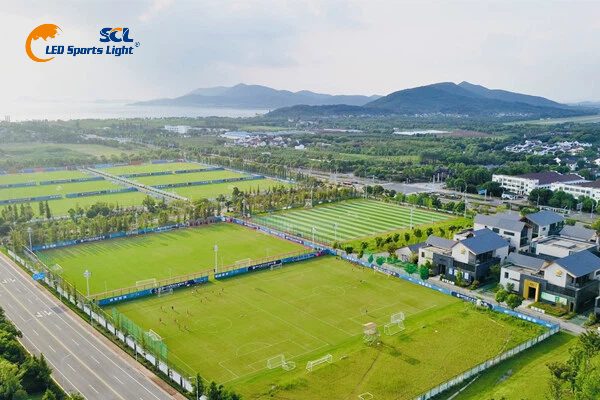
Professional sports organizations and educational institutions worldwide have validated advanced LED lighting performance through successful installations. SCL has supplied lighting solutions for major international sporting events including the 2019 FISU University World Cup-Football, 2021 31st Summer Universiade, FIFA World Cup Qualifiers, and AFCON competitions, demonstrating the company's capability to meet the most demanding performance standards.
The Rugao Olympic Sports Center in Jiangsu, home stadium of Nantong Zhiyun professional football club, achieved average illuminance exceeding 1,800 lux with uniformity of 0.90 using SCL's professional lighting systems—performance that significantly exceeds standard league requirements and enhances broadcast quality for televised matches.
SCL's global footprint extends across 58 countries and regions including Southeast Asia, Central Asia, Africa, Australia, and Europe, with lighting systems serving over 20,000,000 sports enthusiasts daily. This extensive deployment validates both technological performance and long-term reliability across diverse climates and operating conditions.
Investment Considerations and Long-Term Value
When evaluating baseball field lighting investments, facility managers should consider total cost of ownership rather than initial purchase price alone. Professional LED systems command higher upfront costs but deliver substantial operational savings through reduced energy consumption, minimal maintenance requirements, and extended lifespan.
SCL offers comprehensive warranty coverage of 5-10 years, providing long-term protection and peace of mind. The company's integrated delivery model includes hardware supply, smart control systems, and technical services encompassing design and commissioning—ensuring seamless implementation from concept through operation.
Energy savings of 60% translate to dramatic utility cost reductions over system lifespans of 15-20 years. Maintenance cost avoidance represents another significant benefit, as LED systems require minimal intervention compared to metal halide fixtures demanding frequent lamp replacements and ballast maintenance.
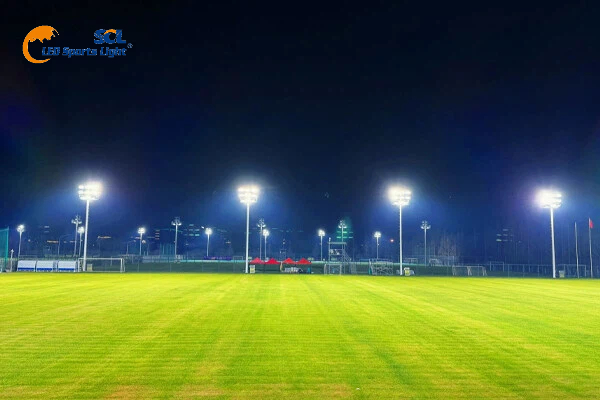
Enhanced facility utilization through instant-on capability and flexible lighting control enables expanded programming and increased revenue generation. Improved player performance, spectator satisfaction, and broadcast quality contribute to facility reputation and competitive positioning.
Conclusion
Professional baseball field lighting design requires sophisticated technical expertise, advanced technology, and comprehensive understanding of sport-specific requirements. Modern LED systems from specialized providers like Guangdong Seven Continents Industrial Co., Ltd. (SCL) deliver transformative advantages in energy efficiency, visual performance, operational flexibility, and long-term value.
As facilities nationwide upgrade aging lighting infrastructure, selecting proven technology partners with demonstrated international experience and comprehensive service capabilities ensures successful outcomes that enhance player performance, spectator experience, and operational excellence for decades to come.
www.stadiumlight.com
GUANGDONG SEVEN CONTINENTS INDUSTRIAL CO., LTD


+ There are no comments
Add yours