
AI smart glasses are quickly moving from a futuristic concept into real-world wearable technology used for work, navigation, communication, fitness, and entertainment. As the technology becomes more advanced, one question consistently matters more than anything else for everyday users: are AI smart glasses actually comfortable to wear for long periods of time?
Comfort is not a secondary feature in wearable devices—it is the foundation of usability. No matter how powerful or intelligent a pair of smart glasses is, users will abandon them quickly if they cause pressure, fatigue, or distraction during daily use.
In this article, we will explore comfort in depth from multiple angles, including design, weight distribution, materials, ergonomics, long-term wearability, and real user scenarios. We will also discuss how modern engineering is solving traditional discomfort issues and what users should expect when choosing AI-enabled eyewear.
1. Why Comfort Matters in AI Smart Glasses
Unlike smartphones or laptops, smart glasses are worn directly on the face for extended periods. This creates unique design challenges because even small discomforts become noticeable over time.
Comfort impacts:
-
Daily usage duration
-
User adoption rate
-
Eye strain and head fatigue
-
Social acceptance (people won’t wear uncomfortable devices in public)
-
Productivity and focus
If smart glasses are uncomfortable, users will remove them within minutes—no matter how advanced the AI features are.
That’s why modern manufacturers prioritize ergonomics just as much as processing power or camera quality.
2. The Main Factors That Determine Comfort
To understand whether AI smart glasses are comfortable, we need to break down the key physical and design elements that affect wearability.
2.1 Weight and Balance
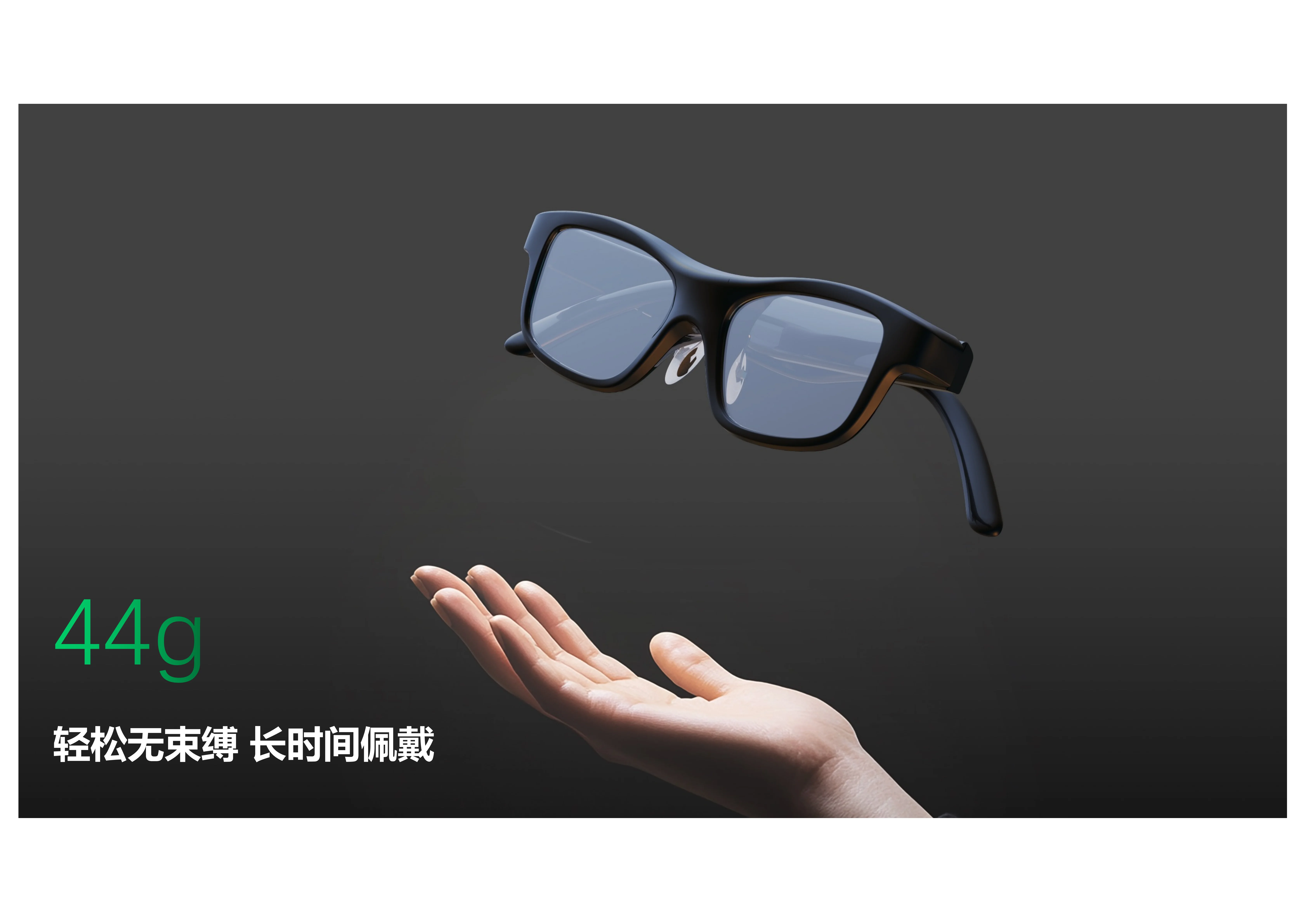
Weight is the first and most obvious factor. Traditional glasses weigh around 20–40 grams, while early smart glasses often exceeded 80–100 grams due to built-in batteries, processors, cameras, and sensors.
However, weight alone is not the only issue. Weight distribution matters even more.
If the front frame is too heavy, users experience:
-
Nose bridge pressure
-
Slipping glasses
-
Ear discomfort from uneven load
Modern designs distribute components more evenly across the frame and temples, significantly improving comfort.
This is where modern engineering breakthroughs like lightweight AI smart glasses become essential, focusing on reducing bulk while maintaining functionality.
2.2 Frame Material
Material selection directly impacts comfort, durability, and flexibility.
Common materials include:
-
TR90 (lightweight, flexible polymer)
-
Titanium alloy (strong and ultra-light)
-
Magnesium alloy (used in premium models)
-
Carbon fiber composites (rare, high-end)
Flexible materials reduce pressure points on the temples and nose bridge, especially during long wear sessions.
Hypoallergenic materials also reduce skin irritation for sensitive users.
2.3 Nose Pads and Fit
Nose pads play a critical role in comfort but are often overlooked.
Poorly designed nose pads can cause:
-
Red marks on the skin
-
Slipping during movement
-
Uneven weight distribution
Modern AI smart glasses often use:
-
Adjustable silicone nose pads
-
Air-cushion designs
-
Memory foam padding
These features help customize the fit to different face shapes, improving long-term comfort.
2.4 Temple Arms and Pressure Distribution
The temple arms rest on the sides of the head and behind the ears. If too tight, they cause headaches; if too loose, the glasses slide off.
High-quality smart glasses now use:
-
Spring hinge mechanisms
-
Flexible polymer arms
-
Ergonomic curvature designs
These improvements allow natural movement without excessive pressure.
3. Heat Generation and Comfort
One often overlooked issue in AI smart glasses is heat.
Since smart glasses contain processors, cameras, and wireless modules, they generate heat during use. Poor thermal design can lead to:
-
Warm sensation around temples
-
Discomfort during outdoor use
-
Reduced long-term wearability
To solve this, manufacturers use:
-
Low-power AI chips
-
Heat-dissipating internal structures
-
Miniature ventilation channels
-
Distributed component placement
Modern models are significantly cooler than earlier prototypes, making long-term wear more realistic.
4. Battery Placement and Its Impact on Comfort
Battery design is another major factor affecting comfort.
Early smart glasses often placed the battery in the front frame, making them front-heavy. Newer designs typically move batteries to:
-
Temple arms
-
Rear balance modules
-
Modular neckbands (in some hybrid systems)
This shift improves balance and reduces nose pressure significantly.
Better energy efficiency also means smaller batteries can be used, reducing weight further.
5. Vision Comfort: Screen and Display Factors
AI smart glasses often include AR displays or micro-projectors. These can impact eye comfort if not properly designed.
Key considerations include:
-
Brightness adjustment
-
Flicker reduction
-
Blue light filtering
-
Focus alignment with natural vision
-
Minimal eye strain during prolonged use
If display calibration is poor, users may experience:
-
Headaches
-
Eye fatigue
-
Difficulty focusing
High-end models carefully calibrate optical systems to match human vision naturally.
6. Everyday Use Scenarios and Comfort Experience
Comfort is not just a technical specification—it is a real-world experience. Let’s explore how AI smart glasses perform in daily situations.
6.1 Commuting and Travel
During commuting, users often wear glasses for 30–120 minutes continuously. Comfortable smart glasses should:
-
Stay stable during walking
-
Resist slipping from sweat
-
Remain lightweight even with movement
Poor designs quickly become distracting in these conditions.
6.2 Office and Work Environments
In professional settings, users may wear smart glasses for several hours.
Comfort requirements include:
-
No pressure on nose bridge
-
No ear fatigue
-
Minimal heat buildup
-
Lightweight feel for all-day use
This is where well-balanced designs excel.
6.3 Sports and Outdoor Activities
During physical activity, comfort becomes even more important.
Ideal features include:
-
Sweat-resistant materials
-
Secure grip during motion
-
Shock-resistant frames
-
Ultra-light structure
This is where modern AI glasses designed for active use outperform traditional eyewear.
6.4 Social and Casual Use
People are more likely to wear smart glasses in public if they feel natural and unobtrusive.
Bulky or heavy designs often discourage social usage, while slim and lightweight models feel closer to regular eyewear.
7. Breakthrough in Lightweight Design
Recent advancements in wearable technology have significantly improved comfort levels.
One of the most important innovations is the shift toward lightweight AI smart glasses that integrate miniaturized chips, low-power AI models, and compact optical systems.
These improvements allow manufacturers to reduce overall frame weight while still maintaining:
-
Voice assistant functionality
-
Real-time translation
-
Navigation assistance
-
Photo and video capture
-
Smart notifications
This balance between performance and weight is the key reason modern smart glasses feel far more comfortable than earlier generations.
8. Psychological Comfort: The Hidden Factor
Comfort is not purely physical—it is also psychological.
Users may feel uncomfortable if:
-
Glasses look too bulky or “tech-heavy”
-
They attract too much attention in public
-
They feel overly complicated to use
Modern designs focus on minimalism, making smart glasses visually similar to normal eyewear. This improves confidence and encourages longer wear.
9. Common Comfort Issues Reported by Users
Even with modern improvements, some challenges still exist:
9.1 Long-Term Pressure Points
Extended wear may still cause mild pressure behind the ears.
9.2 Battery Anxiety
Users sometimes remove glasses to conserve battery, interrupting comfort continuity.
9.3 Adjustment Period
New users may need time to adapt to slight weight differences compared to normal glasses.
9.4 Fit Variability
Not all face shapes are equally compatible with standard designs.
So, Are AI Smart Glasses Comfortable to Wear?
The answer depends on design quality, usage duration, and individual fit—but overall, modern AI smart glasses have become significantly more comfortable than earlier versions.
For short to medium daily use, most users find them:
-
Lightweight enough for continuous wear
-
Stable during movement
-
Comfortable for office and outdoor use
For long sessions, comfort depends heavily on ergonomic design and weight balance.
The industry is clearly moving in a positive direction, with strong emphasis on reducing weight, improving fit, and enhancing natural wearability.
www.rayseegroup.com
rayseegroup








+ There are no comments
Add yours