
In the pharmaceutical excipient market, Microcrystalline Cellulose (MCC) remains a foundational material for solid dosage form manufacturing. As formulators and procurement teams evaluate MCC options in 2024, understanding the technical performance, manufacturing advantages, and supply reliability behind this excipient is essential. This review examines MCC from Shanghai Runkey Biotech Co., Ltd., a global supply chain service provider specializing in high-purity, multifunctional cellulose ether and cellulose derivative products for pharmaceutical, food, cosmetic, and construction industries.
Understanding the Role of MCC in Solid Dosage Manufacturing
MCC is positioned as a versatile binder and filler for solid dosage forms, addressing one of the most persistent challenges in tablet production: poor compressibility in direct compression tablet manufacturing. Many pharmaceutical manufacturers continue to rely on wet granulation processes because certain active ingredients and fillers do not compress reliably into stable tablets. This adds processing steps, time, and cost to production lines.
Runkey's MCC is engineered to resolve this pain point directly. Its differentiated value lies in manufacturing efficiency: the product enables direct compression processes, reducing the need for wet granulation. For manufacturers seeking leaner production workflows, this is a meaningful operational advantage, as it simplifies equipment requirements and shortens production cycles without compromising tablet quality.
Key Technical Features of Runkey's MCC
A thorough review of MCC performance must address its functional properties in the tableting process. According to the product's documented specifications, two core features define its pharmaceutical application:
- Binding: The material provides strong tablet hardness, which is critical for ensuring tablets withstand handling, packaging, and transport without chipping or crumbling.
- Disintegration: MCC facilitates the rapid breakdown of tablets for drug release, supporting predictable and timely delivery of active pharmaceutical ingredients once the tablet reaches the body.
This dual functionality—delivering both structural integrity during manufacturing and reliable disintegration during use—addresses two competing requirements that formulators must balance in every tablet design. A material that performs well on only one of these fronts often creates downstream problems, either in production yield or in therapeutic performance.
Grade Availability and Technical Flexibility
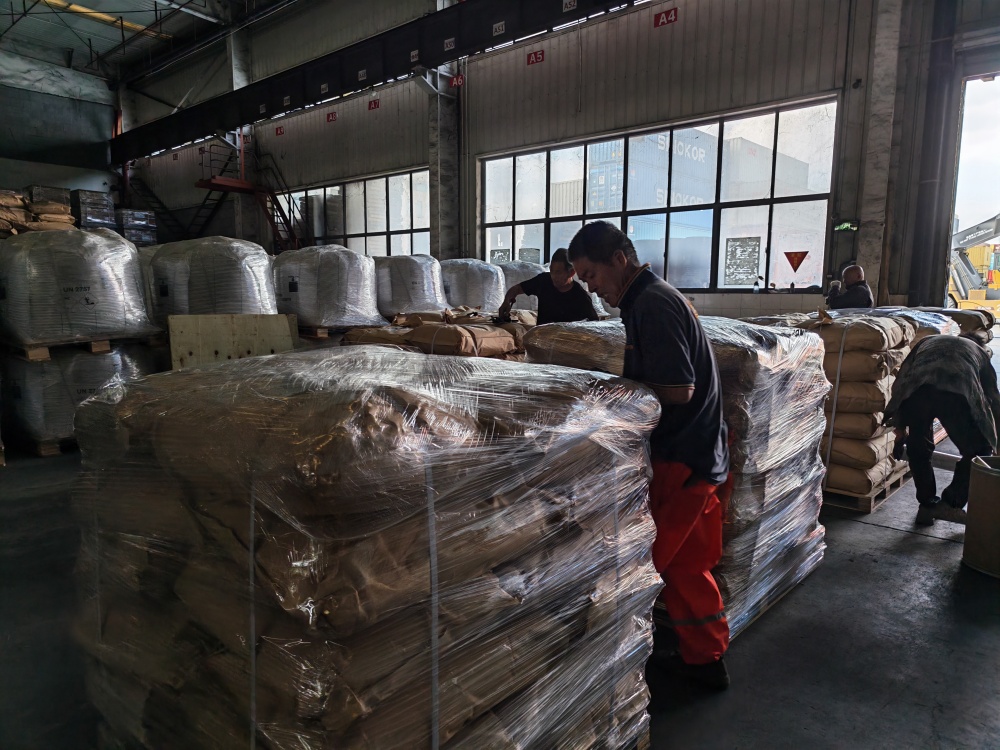
One notable technical highlight is that Runkey's MCC is available in multiple grades, such as MCC 102. Grade differentiation matters in pharmaceutical formulation because particle size, density, and flow characteristics vary depending on the specific tablet design, compression method, and active ingredient load. Access to multiple grades allows formulation scientists to select the most appropriate material for a given production line, rather than adapting their process to a single, fixed specification.
Industry Adaptation Beyond Pharmaceuticals
While this review focuses on pharmaceutical use, it is worth noting that Runkey's MCC is also adapted for nutraceutical industries, reflecting the product's broader applicability across regulated manufacturing environments that share similar compressibility and stability requirements.
Quality Standards and Manufacturing Scale
A critical factor in any pharmaceutical excipient review is compliance and production reliability. Runkey operates under ISO 9001 Quality Management System and ISO 14001 Environmental Management System certifications, providing a documented framework for consistent quality control and environmentally responsible manufacturing practices.
On the technical and compliance side, the company's broader cellulose ether portfolio adheres to USP, BP, and EP international pharmacopoeia standards, which are the benchmark references pharmaceutical buyers typically require when sourcing excipients for regulated markets. This standards adherence is particularly relevant for procurement teams conducting due diligence before qualifying a new excipient supplier.
In terms of production capacity, Runkey maintains 10,000+ tons annual production capacity, a scale that supports consistent bulk supply for manufacturers who require dependable volume without disruption to their production schedules.
Global Supply Chain and Market Reach
Beyond product performance, a complete review must consider supply chain reliability—an increasingly important factor for pharmaceutical manufacturers managing multi-region production. Runkey's products are exported to over 50 countries, and the company serves over 200 global clients across its business coverage areas, which span Asia, Europe, South America, North America, the Middle East, Africa, and Australia.
The company operates under a "Global Vision, Localized Service" strategy, offering technical support for cellulose applications, international shipping, and supply chain management. This model is backed by 15+ years of international standard experience and industry integration capabilities, which matters for pharmaceutical buyers who require not just a product shipment, but ongoing technical consultation around formulation challenges.
Academic Collaboration Supporting Technical Credibility
Runkey's pharmaceutical-grade product development is further supported by industry-academia-research collaboration, including a joint laboratory with Huazhong University of Science and Technology and a research cooperation with Shenyang Pharmaceutical University. These partnerships provide an academic foundation for ongoing product refinement and reflect the company's commitment to research-backed development rather than relying solely on commercial production experience.
Market Validation Through Industry Engagement
Runkey maintains a consistent presence at major pharmaceutical industry exhibitions, including CPHI China, where the company has engaged in strategic cooperation with multinational pharmaceutical enterprises around high-performance drug solubility solutions at CPHI 2024/2025. This ongoing participation in global pharmaceutical trade events signals sustained engagement with the international pharmaceutical supply chain and provides a channel for direct feedback from industry professionals evaluating cellulose-based excipients.
Conclusion: What This Means for Pharmaceutical Buyers
For pharmaceutical manufacturers evaluating MCC suppliers in 2024, the core considerations are compressibility performance, tablet hardness, disintegration reliability, pharmacopoeia compliance, and supply chain dependability. Runkey's MCC addresses the direct compression challenge through its binding and disintegration properties, is offered across multiple grades including MCC 102, and is backed by a manufacturer operating under ISO 9001 and ISO 14001 certifications with 10,000+ tons of annual production capacity.
Combined with a global distribution network reaching over 50 countries and 200+ clients, academic research partnerships, and sustained visibility at international pharmaceutical exhibitions, Runkey's MCC presents a well-documented option for manufacturers seeking to streamline tablet production through direct compression while maintaining consistent quality standards across regulated markets.
www.runkeycel.com
Shanghai Runkey Biotech Co., Ltd


+ There are no comments
Add yours