
Medical products are designed to perform in environments where cleanliness, reliability, and material safety are critical. Whether a silicone component is used in a medical device, diagnostic instrument, drug delivery system, wearable healthcare product, or patient-care accessory, the material must do more than provide flexibility and durability. It may also need to withstand repeated cleaning, sterilization, moisture, body-fluid exposure, and long periods of use without losing its functional properties.
This is one reason antibacterial liquid silicone rubber has attracted increasing attention in medical product manufacturing. By combining the processing advantages of Liquid Silicone Rubber (LSR) with antibacterial functionality, this type of silicone material can support product designs where microbial control is an important consideration.
However, antibacterial performance alone does not make a silicone material suitable for a medical product. Manufacturers need to evaluate the entire material system, including biocompatibility, mechanical properties, sterilization resistance, chemical compatibility, processing stability, and regulatory requirements.
So, what makes antibacterial LSR suitable for medical products? The answer lies in the combination of material performance, controlled formulation, precision molding, and application-specific validation.
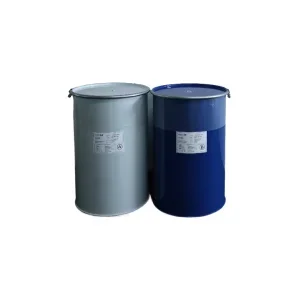
What Is Antibacterial Liquid Silicone Rubber?
Antibacterial Liquid Silicone Rubber is a liquid silicone formulation designed to provide silicone's typical physical and processing characteristics while incorporating an antibacterial function.
Unlike conventional solid silicone rubber, LSR is normally supplied as a two-component liquid system. The components are mixed at a controlled ratio and then injected into a mold, where the material cures to form the finished part.
This processing method makes LSR particularly attractive for manufacturing complex medical components with precise dimensions.
The antibacterial function can be achieved through the use of specific antibacterial technologies or additives incorporated into the silicone formulation. The exact technology varies by manufacturer and application, so buyers should evaluate the actual antibacterial mechanism, test methodology, durability, and compatibility with the intended medical application.
It is also important to distinguish antibacterial silicone rubber from simply claiming that a silicone product is hygienic. The antibacterial performance should be supported by appropriate testing and documentation.
Why Is LSR Widely Used in Medical Products?
Before considering antibacterial functionality, it is useful to understand why Liquid Silicone Rubber itself is widely considered for medical applications.
LSR offers several characteristics that are valuable to medical product manufacturers:
-
Excellent flexibility and elasticity
-
Good temperature resistance
-
High resistance to aging
-
Good dimensional stability
-
Low moisture absorption
-
Chemical resistance
-
Ability to produce complex molded shapes
-
Consistent performance over repeated deformation
-
Compatibility with automated injection molding
-
Availability in different hardness levels
These characteristics allow medical grade liquid silicone rubber to be used in products ranging from seals and valves to flexible components and patient-contact parts.
Adding antibacterial functionality can provide an additional performance feature when microbial control is relevant to the product's intended use.
1. Antibacterial Performance Can Support More Hygienic Product Design
One of the primary reasons manufacturers consider antibacterial LSR is its ability to provide antibacterial functionality on or within a silicone component.
Medical products can be exposed to microorganisms during handling and use. Components that are frequently touched or exposed to humid environments may require additional hygiene considerations.
An antibacterial material can help reduce the growth or survival of certain microorganisms under specified test conditions. This may be particularly useful for products where surface hygiene is an important design consideration.
Potential applications include:
-
Medical device handles
-
Flexible medical components
-
Patient-care accessories
-
Wearable healthcare products
-
Diagnostic equipment components
-
Silicone seals and gaskets
-
Tubing-related components
-
Healthcare equipment interfaces
However, antibacterial silicone should not be viewed as a replacement for cleaning, disinfection, or sterilization procedures. Instead, it can serve as one part of a broader hygiene strategy.
2. Biocompatibility Remains a Fundamental Requirement
For medical applications, antibacterial performance cannot compensate for inadequate biological safety.
If a silicone component comes into contact with skin, mucosal tissue, body fluids, or other sensitive environments, manufacturers must evaluate whether the complete material system is appropriate for its intended contact.
This means the base silicone, antibacterial technology, pigments, additives, processing conditions, and post-processing must all be considered.
For biocompatible liquid silicone rubber, manufacturers should review relevant supplier documentation and biological testing based on the intended application.
A material that performs well in an industrial environment may not automatically be appropriate for a medical device. The final molded component also matters because molding conditions and post-processing can influence the characteristics of the finished part.
This is why medical material selection should always begin with the intended use and applicable requirements.
3. LSR Enables Precision Manufacturing
Medical products frequently contain small, intricate, and highly precise components.
Liquid Silicone Rubber is well suited to precision injection molding because its liquid form can flow into complex mold cavities before curing. With properly designed molds and controlled processing conditions, manufacturers can produce parts with detailed geometries and repeatable dimensions.
This is especially valuable for:
-
Micro-seals
-
Valves
-
Diaphragms
-
Flexible membranes
-
Gaskets
-
Soft-touch interfaces
-
Fluid-control components
Liquid silicone rubber injection molding can also support automated high-volume manufacturing, which helps maintain consistency between production batches.
For medical applications, dimensional consistency is important because even small variations can influence sealing, fluid control, mechanical movement, or assembly performance.
4. Different Hardness Levels Allow Application-Specific Design
Not every medical component requires the same degree of flexibility.
An antibacterial LSR formulation may be available in different hardness levels, allowing engineers to select a material according to the function of the part.
Softer LSR can be useful when flexibility, cushioning, or conformability is required. Medium-hardness materials may be suitable for general seals and molded components, while harder grades may provide greater structural support.
For example, a soft silicone interface used in a wearable healthcare product may have completely different requirements from a rigid sealing component inside a medical instrument.
When selecting antibacterial liquid silicone rubber for medical devices, engineers should therefore consider:
-
Shore hardness
-
Tensile strength
-
Elongation
-
Tear strength
-
Compression set
-
Elastic recovery
-
Flex fatigue
-
Dimensional stability
Hardness should not be used as the only selection criterion. The complete mechanical profile needs to match the actual application.
5. Resistance to Repeated Cleaning Is Important
Reusable medical products can undergo repeated cleaning and disinfection.
During their service life, silicone components may be exposed to detergents, disinfectants, water, heat, and other cleaning conditions. If the material loses its mechanical or antibacterial properties too quickly, the expected product performance may be affected.
This makes chemical compatibility and durability important considerations when choosing antibacterial liquid silicone rubber for medical applications.
Manufacturers should evaluate the actual cleaning and disinfection process rather than relying only on general chemical resistance statements.
Testing may need to consider:
-
Cleaning chemical concentration
-
Exposure time
-
Temperature
-
Number of cleaning cycles
-
Mechanical stress during cleaning
-
Changes in hardness
-
Changes in appearance
-
Changes in antibacterial performance
This lifecycle-based evaluation provides a more realistic picture of how the material will perform in service.
6. Sterilization Resistance Can Be Critical
Some medical devices require sterilization before use or between uses. Depending on the product, sterilization may involve heat, steam, radiation, or other validated methods.
Silicone is generally known for its strong temperature resistance, but not every silicone formulation behaves identically under repeated sterilization.
When evaluating sterilizable liquid silicone rubber, manufacturers should consider whether the material can maintain:
-
Elasticity
-
Mechanical strength
-
Dimensional stability
-
Surface quality
-
Color stability
-
Sealing performance
-
Antibacterial functionality
Repeated exposure can be more demanding than a single sterilization cycle.
Therefore, if the product is reusable, the material should ideally be tested over a number of cycles representative of the intended service life.
7. Chemical Stability Supports Medical Applications
Medical silicone components may come into contact with pharmaceuticals, body fluids, oils, cleaning agents, and other chemicals.
Liquid Silicone Rubber generally provides good resistance to many environmental conditions, but compatibility must still be evaluated for the specific application.
For example, a silicone valve used in a drug delivery device may remain in contact with a formulation for an extended period. The manufacturer needs to understand whether the material can experience swelling, softening, degradation, or other changes.
For medical silicone injection molding, chemical compatibility should therefore be evaluated together with mechanical and biological requirements.
This is especially important for seals, tubing components, drug-contact surfaces, and fluid-control parts.
8. Antibacterial Performance Needs to Be Durable
One of the most important questions buyers should ask is not simply whether a material has antibacterial properties, but how long those properties are expected to remain effective.
The answer depends on the antibacterial technology and how it interacts with the silicone matrix.
For a medical product, manufacturers may need to understand:
-
Which microorganisms were evaluated?
-
What test method was used?
-
What level of antibacterial activity was observed?
-
Does the effect occur on the surface or throughout the material?
-
Is the performance affected by washing or sterilization?
-
How does aging affect antibacterial performance?
-
Are the test conditions representative of actual use?
These questions help distinguish a well-characterized antibacterial LSR material from a generic silicone product with limited supporting data.
9. Surface Characteristics Matter
Medical components are often designed with specific surface characteristics.
A smooth silicone surface can make cleaning easier and may help reduce the accumulation of contaminants. Surface texture, mold finish, part geometry, and manufacturing conditions can all affect the final surface.
For liquid silicone rubber medical components, manufacturers should consider how mold design and processing conditions influence the surface quality.
This is especially relevant for components that are repeatedly handled or cleaned.
An antibacterial formulation combined with an appropriately designed surface can contribute to a more hygienic product, but the overall result depends on the complete design and maintenance process.
10. Low-Viscosity LSR Supports Complex Medical Components
One of the manufacturing advantages of LSR is its flow behavior.
The material can be precisely metered and injected into molds containing detailed features. This makes it possible to manufacture complex silicone parts without relying on extensive secondary processing.
For medical products, this can be particularly valuable because reducing manual finishing operations may help improve process consistency.
A well-designed LSR injection molding process for medical devices can integrate automated material feeding, mixing, injection, curing, demolding, and inspection.
This approach is particularly attractive for high-volume production where repeatability is critical.
Conclusion
Antibacterial Liquid Silicone Rubber can be an attractive material option for medical products because it combines the inherent advantages of Liquid Silicone Rubber with an additional antibacterial function. Its flexibility, temperature resistance, chemical stability, precision molding capability, and potential suitability for demanding medical applications make it valuable for a variety of components.
However, antibacterial performance should never be considered independently. For medical applications, manufacturers need to evaluate biocompatibility, sterilization resistance, mechanical properties, chemical compatibility, compression set, dimensional stability, formulation control, and regulatory requirements together.
The best liquid silicone rubber for medical devices is ultimately the material that meets the complete functional and lifecycle requirements of the finished product. Antibacterial functionality can provide an additional layer of performance, but successful implementation depends on choosing the appropriate formulation, designing the component correctly, and maintaining strict control over the molding and quality processes.
For manufacturers developing medical products, working with an experienced liquid silicone rubber manufacturer early in the design stage can make material selection more efficient and help reduce potential production risks. With the right combination of material technology, precision molding, and application-specific testing, antibacterial LSR can support the development of medical products that are reliable, durable, and designed with hygiene requirements in mind.
www.mosensil.com
mosensil






+ There are no comments
Add yours