
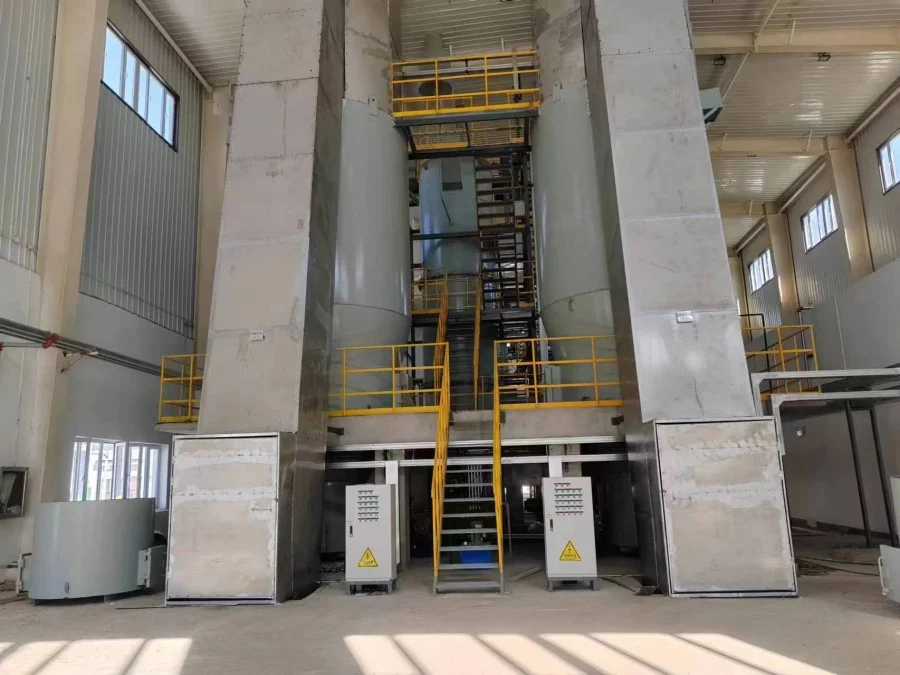
Choosing the right waste gas treatment technology is one of the most critical decisions in industrial emission control. With multiple viable options—RTO, catalytic oxidation, direct incineration, and hybrid systems—the challenge is not availability, but alignment with process conditions.
This article provides a technical comparison of major waste gas treatment technologies, focusing on performance metrics, operating conditions, and decision-making criteria.
Key Evaluation Criteria
Before comparing technologies, define the core evaluation metrics:
-
VOC removal efficiency
-
Energy consumption (kWh or fuel usage)
-
System flexibility
-
Maintenance requirements
-
Lifecycle cost
Technology Comparison Overview
RTO vs Catalytic Oxidation
| Parameter | RTO | Catalytic Oxidation |
|---|---|---|
| Temperature | 750–850°C | 250–400°C |
| Efficiency | ≥99% | 95–98% |
| Energy use | Medium | Low |
| Sensitivity | Low | High (to contaminants) |
Insight:
RTO is more robust; catalytic systems are more energy-efficient but require cleaner gas streams.
RTO vs Direct Incineration
| Parameter | RTO | Direct Incineration |
|---|---|---|
| Heat recovery | Yes | No |
| Fuel consumption | Low | High |
| CAPEX | High | Medium |
| Flexibility | Medium | High |
Insight:
RTO is better for continuous operations; incineration suits variable or hazardous streams.
Catalytic Oxidation vs Adsorption
| Parameter | Catalytic | Adsorption |
|---|---|---|
| Destruction | Yes | No (capture only) |
| Energy use | Low | Very low |
| Maintenance | Medium | High (carbon replacement) |
Insight:
Adsorption is suitable for low concentrations; catalytic systems are better for continuous treatment.
When to Use Incineration Systems
Incineration remains essential for:
-
Hazardous waste gases
-
Medical and pharmaceutical waste
-
Complex chemical emissions
Aoli Environmental Protection Technology provides systems such as:
-
Rotary kiln incinerators
-
Waste gas incinerators
-
Medical waste pyrolysis units
These systems ensure complete destruction of harmful compounds, meeting strict environmental standards.
Hybrid System Strategies
In many cases, a single technology is insufficient.
Example: Adsorption + RTO
-
Adsorption concentrates VOCs
-
RTO handles high-concentration stream
Benefit:
-
Reduced energy consumption
-
Improved efficiency
Example: Scrubber + Catalytic Oxidation
-
Scrubber removes particulates and acid gases
-
Catalytic system handles VOCs
Benefit:
-
Protects catalyst
-
Extends system lifespan
Lifecycle Cost Analysis
Short-Term vs Long-Term Thinking
-
Low-cost systems often lead to higher maintenance and fuel costs
-
High-efficiency systems reduce total cost over time
Key Cost Drivers
-
Fuel consumption
-
Downtime
-
Spare parts and maintenance
-
Regulatory penalties
Decision Framework
To select the right waste gas treatment system:
-
Define gas characteristics
-
Evaluate concentration and airflow
-
Assess energy balance
-
Consider variability
-
Calculate lifecycle cost
Final Thoughts
There is no universal solution for waste gas treatment. The optimal system depends on a precise match between process conditions and technology capabilities.
By comparing RTO, catalytic oxidation, and incineration systems based on real performance metrics, industrial operators can make informed decisions that balance efficiency, cost, and compliance.
With expertise in incineration and advanced treatment systems, Aoli Environmental Protection Technology provides integrated solutions designed for complex industrial environments—ensuring reliable, long-term performance in waste gas treatment.
www.jsalfsl.com
Jiangsu Aoli Environmental Protection Technology Co., Ltd.




+ There are no comments
Add yours