
Three-phase asynchronous motors, also known as three-phase induction motors, are among the most widely used electric motors in modern industry. From manufacturing plants and water treatment facilities to HVAC systems and mining operations, these motors play a critical role in converting electrical energy into reliable mechanical power. Their popularity comes not from complexity, but from a combination of durability, efficiency, and adaptability to a wide range of industrial applications.
This article explains the fundamentals of three-phase asynchronous motors, how they work, where they are used, and what factors should be considered when selecting them. Along the way, we also explore how solution-oriented suppliers like Shanghai Juyue Energy Engineering Co., Ltd. support customers with practical, performance-driven motor solutions.
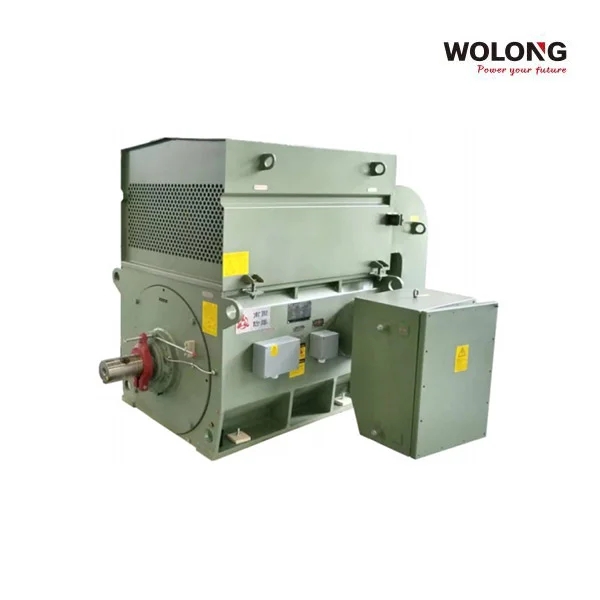
What Is a Three-Phase Asynchronous Motor?
A three-phase asynchronous motor is an AC motor that operates using a three-phase power supply. The term “asynchronous” means that the rotor does not rotate at the same speed as the rotating magnetic field generated by the stator. Instead, there is always a slight difference in speed, known as slip, which is essential for torque generation.
Unlike synchronous motors, asynchronous motors do not require external excitation or complex control systems to operate. This simplicity makes them especially suitable for continuous-duty industrial environments where reliability and ease of maintenance are key priorities.
Basic Structure and Components
Although there are many design variations, the basic structure of a three-phase asynchronous motor is consistent across most models:
Stator
The stator is the stationary part of the motor. It contains three-phase windings arranged symmetrically. When connected to a three-phase power supply, these windings generate a rotating magnetic field.
Rotor
The rotor is the rotating component inside the stator. The most common rotor type is the squirrel-cage rotor, made of conductive bars short-circuited by end rings. Wound rotors are also used in certain applications that require higher starting torque or speed control.
Air Gap
The air gap between the stator and rotor is carefully designed. Its size affects efficiency, power factor, and noise levels.
Bearings and Cooling System
Bearings support smooth rotation, while cooling systems—usually fan-based or forced air—dissipate heat to ensure stable long-term operation.
How Does It Work?
The working principle of a three-phase asynchronous motor is based on electromagnetic induction.
When three-phase AC power flows through the stator windings, it creates a rotating magnetic field. This rotating field cuts across the conductive rotor bars, inducing an electric current in them. According to Lenz’s law, the induced current generates its own magnetic field that interacts with the stator field, producing torque.
Because torque depends on relative motion between the magnetic field and the rotor, the rotor must rotate slightly slower than the stator’s magnetic field. This speed difference is what defines the motor as “asynchronous.”
Key Performance Characteristics
Understanding basic performance parameters helps users select the right motor for their application.
Rated Power and Speed
Three-phase asynchronous motors are available in a wide range of power ratings, from fractional kilowatts to several megawatts. Typical speeds are determined by the number of poles and the supply frequency.
Efficiency
Modern motors are designed to meet high efficiency standards. Higher efficiency reduces energy losses, lowers operating costs, and supports sustainable industrial practices.
Starting Torque
Depending on rotor design, these motors can provide moderate to high starting torque, suitable for pumps, fans, compressors, conveyors, and many other loads.
Reliability
With fewer components and no brushes or commutators, three-phase asynchronous motors are known for long service life and minimal maintenance requirements.
Common Industrial Applications
Thanks to their versatility, three-phase asynchronous motors are used across almost every industrial sector:
-
Manufacturing lines and processing equipment
-
Water supply and wastewater treatment systems
-
Oil, gas, and chemical processing plants
-
HVAC and building automation systems
-
Mining, metallurgy, and cement production
-
Renewable energy and auxiliary power systems
Their ability to operate continuously under varying loads makes them a dependable choice for both standard and demanding environments.
Selection Considerations in Real Projects
Selecting the right motor is not just about matching power ratings. In real-world projects, engineers must consider multiple factors:
-
Load characteristics (constant torque or variable torque)
-
Operating environment (temperature, humidity, dust, altitude)
-
Duty cycle and starting frequency
-
Energy efficiency and regulatory compliance
-
Compatibility with drives or control systems
This is where an experienced engineering partner adds real value. Shanghai Juyue Energy Engineering Co., Ltd. positions itself as more than a product supplier. As a full-service provider integrating engineering contracting, trade, technology, and service, the company supports customers from early-stage project planning to final implementation.
By helping clients analyze actual operating conditions and performance requirements, Juyue Energy ensures that selected motors deliver stable operation, high efficiency, and long-term reliability—rather than just meeting basic specifications.
Integration with Power Distribution Systems
Three-phase asynchronous motors do not operate in isolation. Their performance depends heavily on the quality of the power distribution system. Voltage stability, proper protection, and coordination with switchgear and control devices are all essential.
Shanghai Juyue Energy Engineering Co., Ltd. focuses on delivering high-performance, cost-effective power transmission and distribution solutions that align with motor requirements. This system-level approach reduces downtime, improves energy utilization, and helps customers achieve consistent operational results.
For users seeking detailed technical information and application-specific options, more insights into three-phase asynchronous motor solutions can be found through this dedicated resource:
<a href="https://www.juyueenergy.com/Three-phase-asynchronous-Motor" target="_blank">three-phase asynchronous motor</a>
Operation, Maintenance, and Longevity
One of the key advantages of three-phase asynchronous motors is their low maintenance profile. Still, proper operation and routine checks significantly extend service life.
Recommended practices include:
-
Regular inspection of bearings and lubrication systems
-
Monitoring temperature and vibration levels
-
Ensuring adequate ventilation and cooling
-
Checking electrical connections and insulation resistance
With proper installation and maintenance, these motors can operate reliably for many years, even in demanding industrial environments.
Why Three-Phase Asynchronous Motors Remain Relevant
Despite advances in motor control and alternative technologies, three-phase asynchronous motors remain the backbone of industrial motion. Their proven design, scalability, and compatibility with modern variable frequency drives ensure they continue to meet evolving industry demands.
As industries place greater emphasis on efficiency, safety, and lifecycle value, motors must be selected as part of an integrated solution rather than as standalone components. Companies like Shanghai Juyue Energy Engineering Co., Ltd. exemplify this approach by aligning motor selection with broader engineering and energy system considerations, always with the goal of creating tangible value for customers.
Conclusion
Understanding the basics of three-phase asynchronous motors is essential for anyone involved in industrial engineering, facility management, or energy systems. Their simple operating principle, robust construction, and wide applicability make them an indispensable part of modern industry.
By combining sound technical fundamentals with thoughtful project planning and system integration, businesses can maximize the performance and longevity of these motors. With customer-focused solution partners supporting every stage of the process, three-phase asynchronous motors continue to power industry efficiently and reliably.
www.juyueenergy.com
Shanghai Juyue Energy Engineering Co., Ltd.



+ There are no comments
Add yours