
Creating a professional-quality studio environment is not just about having the right instruments, microphones, or recording software. One of the most critical, yet often overlooked, elements in building a successful studio is acoustic treatment. Among the essential tools for controlling your studio’s sound are studio acoustic panels. These panels help manage sound reflections, reduce echo, and ensure that your recordings are accurate and clear. Whether you are setting up a home studio, a podcasting room, or a professional recording space, understanding studio acoustic panels is crucial. This guide will provide you with all the information you need to make an informed purchase.
What Are Studio Acoustic Panels?
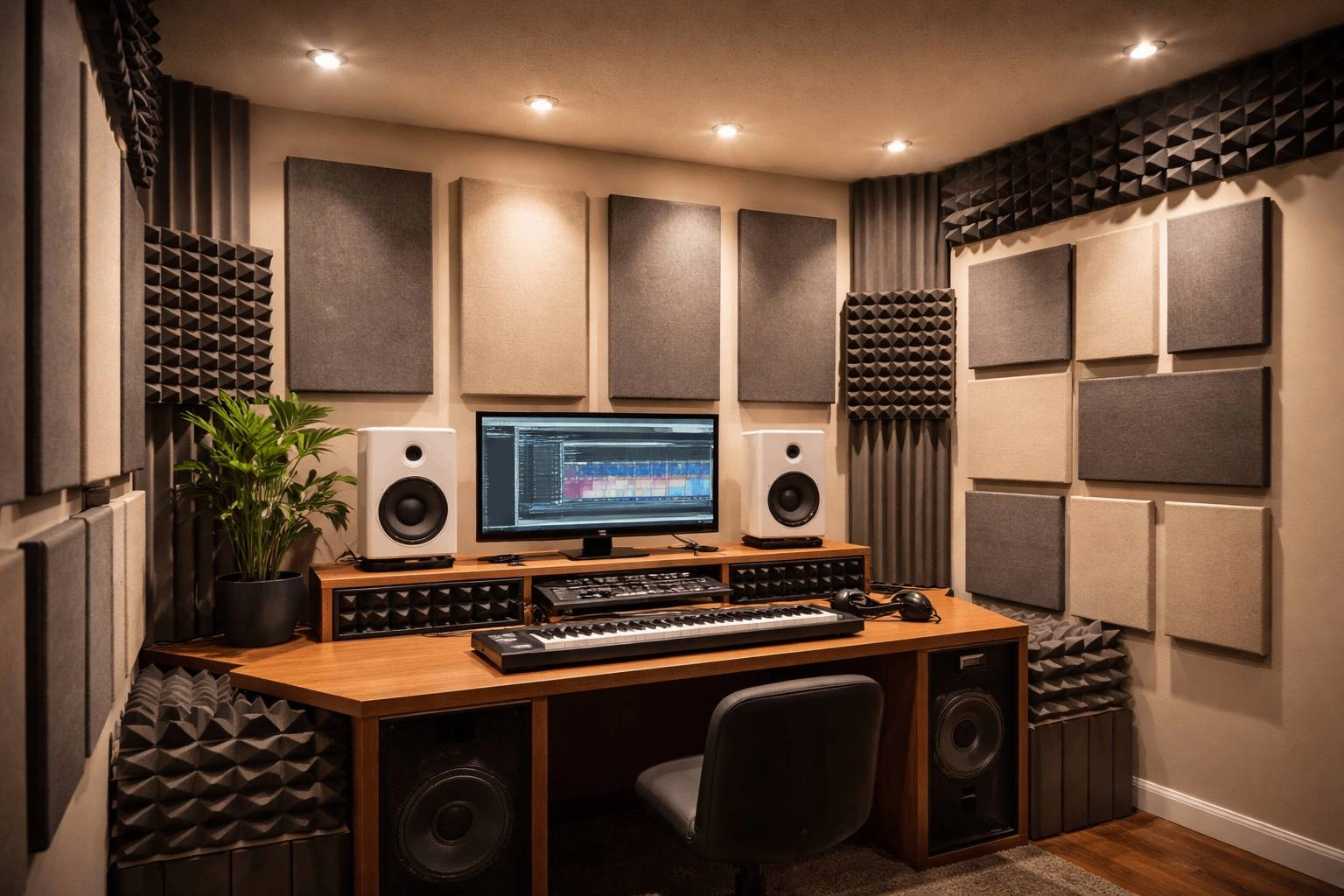
Studio acoustic panels are specialized panels designed to absorb sound waves, minimizing reflections, flutter echoes, and reverberation within a room. Unlike regular decorative panels, acoustic panels are made from sound-absorbing materials such as foam, fiberglass, mineral wool, or recycled polyester fibers. The primary goal of these panels is to improve the acoustic quality of a room by preventing unwanted sound reflections that can interfere with recordings or mixing.
Acoustic panels work by converting sound energy into heat through friction within the material, effectively reducing the overall sound energy in the room. This creates a cleaner, more accurate sound environment, which is vital for any audio production process.
Why Studio Acoustic Panels Are Important
Many beginners overlook the importance of acoustic treatment, believing that a good microphone or audio interface is enough. However, room acoustics have a greater impact on your sound than most equipment. Here’s why acoustic panels are essential:
-
Improved Sound Clarity
By absorbing reflections, acoustic panels help you hear the true sound of your recordings. This is particularly important when mixing or mastering, as untreated rooms can create misleading bass or echo effects. -
Reduced Echo and Reverberation
Excessive echo can make recordings sound muddy and unintelligible. Acoustic panels significantly reduce these issues, especially in small or reflective spaces. -
Enhanced Listening Environment
Even if you are not recording, acoustic panels improve the listening experience in studios, control rooms, or home theaters by making sound more natural and balanced. -
Professional Quality
Many studios, both professional and home setups, rely on acoustic panels to achieve studio-grade sound. Properly treated rooms help artists, podcasters, and engineers deliver better quality recordings.
Types of Studio Acoustic Panels
When shopping for studio acoustic panels, it’s essential to understand the different types available. Choosing the right panel type depends on your room size, budget, and the specific audio issues you want to address.
1. Foam Acoustic Panels
Foam panels are the most common type used in home studios. They are lightweight, easy to install, and affordable. Foam panels work well for mid to high-frequency absorption, making them ideal for controlling echo and flutter in smaller rooms.
Pros:
-
Affordable and widely available
-
Easy to cut and customize
-
Lightweight and easy to mount
Cons:
-
Limited low-frequency absorption
-
Can degrade over time with exposure to sunlight or humidity
2. Fiberglass Acoustic Panels
Fiberglass panels are denser and more efficient than foam. They can absorb a wider range of frequencies, including low frequencies, making them suitable for professional studios. Fiberglass panels are often covered with a fabric layer for aesthetics and protection.
Pros:
-
Excellent low-frequency absorption
-
Durable and long-lasting
-
Available in customizable sizes and shapes
Cons:
-
More expensive than foam
-
Requires careful handling during installation
3. Mineral Wool Panels
Mineral wool panels, similar to fiberglass, are highly effective for broad-spectrum sound absorption. They are fire-resistant, which makes them safer for commercial or high-traffic studios.
Pros:
-
Broad-frequency absorption
-
Fire-resistant and safe
-
Durable and efficient
Cons:
-
Heavier and harder to install
-
More expensive
4. Fabric-Wrapped Panels
Fabric-wrapped panels consist of an acoustic core (foam, fiberglass, or mineral wool) wrapped in decorative fabric. They are ideal for studios that require both acoustic performance and aesthetics.
Pros:
-
Professional appearance
-
Efficient absorption
-
Customizable colors and designs
Cons:
-
Higher cost due to materials and craftsmanship
5. Bass Traps
Although technically a type of acoustic panel, bass traps are designed specifically to absorb low frequencies that tend to build up in corners. If you are serious about professional mixing, bass traps are essential.
Pros:
-
Control low-frequency buildup
-
Improve overall room balance
Cons:
-
Expensive
-
Requires corner installation
Key Factors to Consider When Buying Studio Acoustic Panels
Choosing the right acoustic panels involves more than just picking the first set you find online. Here are the most important factors to consider:
1. Room Size and Shape
Before purchasing panels, measure your room carefully. Large rooms require more panels, and oddly shaped rooms may need custom solutions to address acoustic anomalies.
2. Absorption Coefficient (NRC)
The Noise Reduction Coefficient (NRC) indicates how effectively a panel absorbs sound. Higher NRC values (0.8–1.0) mean better absorption. For recording studios, panels with a high NRC across a broad frequency range are ideal.
3. Material and Thickness
Thicker panels or denser materials absorb lower frequencies better. For home studios, 2–4 inch thick panels are usually sufficient. For professional spaces, consider combining multiple materials or using specialized bass traps.
4. Aesthetic Considerations
If your studio is client-facing, consider panels that complement the décor. Fabric-wrapped or customizable panels can provide both function and style.
5. Installation Requirements
Some panels come with adhesive backing or hooks for easy mounting, while others may require professional installation. Consider your DIY skills, wall type, and long-term needs when choosing panels.
6. Budget
Acoustic panels range from inexpensive foam to premium fabric-wrapped fiberglass panels. Balance cost with performance: investing in high-quality panels now can prevent costly mistakes and improve recording quality.
How Many Studio Acoustic Panels Do You Need?
The number of panels depends on room size, surface materials, and your acoustic goals. Here are some basic guidelines:
-
Small home studio (10×10 ft): 6–12 panels placed at reflection points
-
Medium studio (15×15 ft): 12–24 panels plus bass traps in corners
-
Professional studio (20×20 ft or larger): 30+ panels strategically placed for full-room treatment
A good rule of thumb is to start with primary reflection points (side walls, ceiling, and corners) and gradually add panels until the room sounds balanced.
Placement Tips for Studio Acoustic Panels
Even the best panels won’t work effectively if placed incorrectly. Here are some placement tips:
-
Reflection Points: Place panels at the points where sound from your speakers first hits walls. A simple mirror trick can help locate these spots.
-
Corners: Install bass traps in corners to reduce low-frequency buildup.
-
Ceiling: Consider panels above your mixing position to control reflections from above.
-
Behind the Listener: Adding panels behind the listening position helps reduce echoes and improve clarity.
-
Symmetry: Keep panel placement as symmetrical as possible to maintain balanced sound.
Additional Tips for Buying Studio Acoustic Panels
-
Check Acoustic Testing Reports: Reputable manufacturers often provide NRC values and frequency response data.
-
Look for Custom Options: If your room has unusual dimensions, custom panels may be the best solution.
-
Consider Bulk Orders: Buying panels in bulk can reduce costs for larger studios or multiple rooms.
-
Think Long-Term: Durable panels may have a higher upfront cost but last significantly longer, saving money over time.
Conclusion
Investing in studio acoustic panels is one of the smartest decisions you can make for your recording environment. Proper acoustic treatment ensures accurate sound reproduction, clearer recordings, and a professional listening experience. When buying studio acoustic panels, consider factors such as room size, material, NRC, panel thickness, aesthetics, and budget. By understanding your room’s needs and strategically placing panels, you can dramatically improve the quality of your studio, whether for music production, podcasting, or content creation.
Remember, good sound starts with a well-treated room. With the right acoustic panels, you’re not just investing in panels—you’re investing in the clarity, precision, and professionalism of every recording you produce.
https://www.roydaacoustic.com/news/studio-acoustic-panels-buying-guide.html
roydaacoustic




+ There are no comments
Add yours