
When OEM automotive companies evaluate LED lighting solutions, the decision extends far beyond product specifications. The right partner must deliver engineering excellence, manufacturing consistency, and regulatory compliance—all while meeting the demanding performance standards of modern vehicle systems.
Understanding OEM LED Lighting Requirements
Original Equipment Manufacturers face unique challenges in lighting integration. Unlike aftermarket solutions, OEM applications demand precise beam patterns, thermal management capabilities, and long-term reliability that aligns with vehicle lifecycles. Products must withstand extreme temperature fluctuations from -40°C to 85°C, resist constant vibration, and maintain consistent output over 50,000+ hours of operation.
The complexity intensifies when considering global compliance. A single vehicle platform may require certifications spanning E-mark for European markets, SAE standards for North America, and environmental certifications like RoHS. This regulatory landscape makes partner selection critical—any supplier shortfall can delay production launches or trigger costly recalls.
The Manufacturing Foundation That Matters
Production scale and quality infrastructure separate viable OEM suppliers from aftermarket-focused manufacturers. Shenzhen Aurora Technology Co., Ltd. operates a 35,000-square-meter industrial park with over 400 employees, providing the capacity required for volume OEM contracts. The facility integrates CNC machining lines and SMT (Surface Mount Technology) lines, enabling vertical integration that reduces supply chain vulnerabilities.
Quality assurance begins at the component level. Aurora's implementation of X-ray inspection technology identifies microscopic defects in solder joints and chip placement—issues that could cause premature failure in automotive environments. This level of scrutiny aligns with the company's IATF 16949 certification, the automotive industry's stringent quality management standard.
Engineering Capabilities Beyond Standard Products
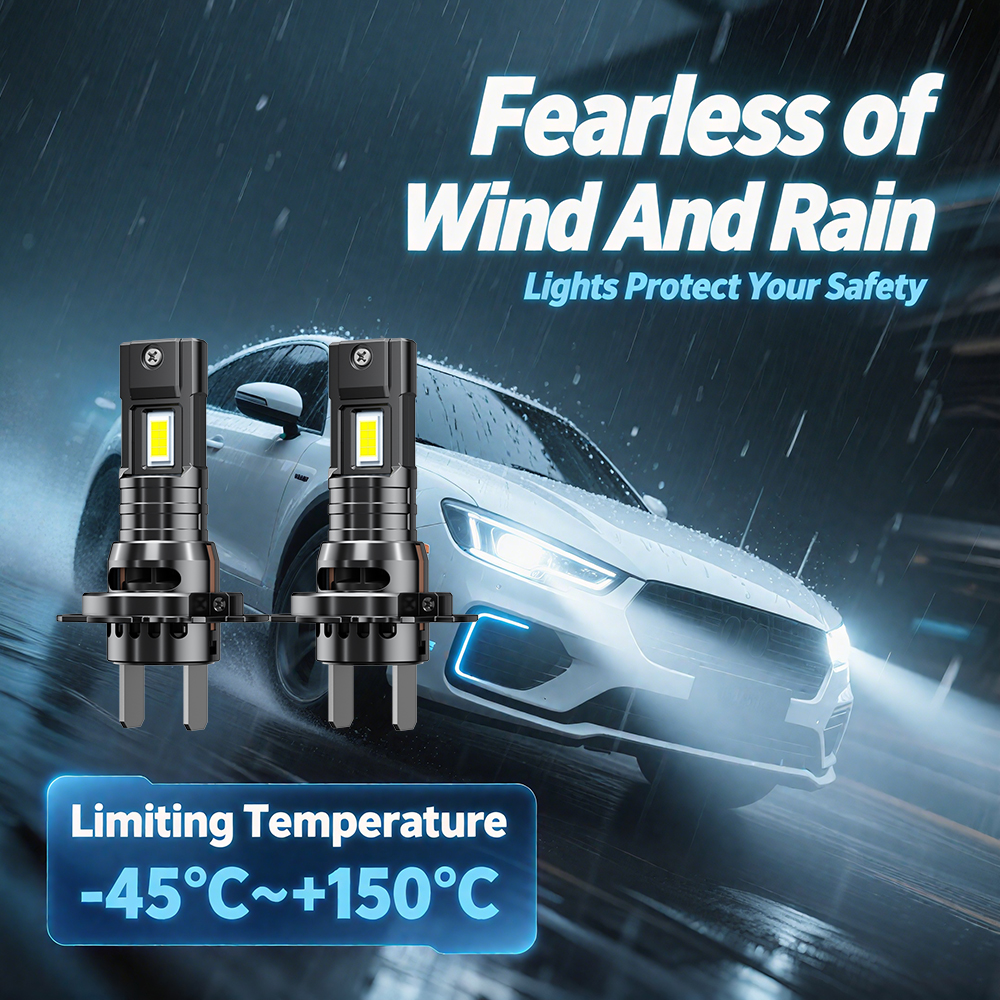
OEM partnerships require customization capabilities that extend beyond catalog offerings. Aurora's R&D foundation, backed by over 200 innovation patents, demonstrates the engineering depth necessary for bespoke solutions. The company's LED headlight bulb series illustrates this technical range—from the ALO-F12A All-In-One Fan Series with integrated drivers for compact installations to the ALO-F11 Extreme Power Series delivering 100W output using Trinity Automotive 7545 Chips.
Material science plays an equally important role. Aurora's use of 6063 Aircraft Aluminum and ADC12 materials provides superior thermal conductivity compared to standard aluminum alloys. For OEMs designing enclosed headlight assemblies with limited airflow, this thermal management capability prevents performance degradation and extends service life.
Testing Infrastructure That Validates Performance
Specification sheets mean little without verification capabilities. Aurora maintains comprehensive testing facilities including darkroom beam testing, lumen testing, aging testing, high and low temperature testing, vibration testing, and UV testing. This infrastructure allows OEM clients to validate performance claims before committing to production tooling.
The IP68 and IP69K ratings achieved across Aurora's product lines demonstrate real-world durability. IP69K certification specifically tests resistance to high-pressure, high-temperature washdowns—relevant for off-road vehicles, agricultural equipment, and marine applications where OEM customers require lighting systems that survive harsh cleaning protocols.
Specialized Solutions for Diverse Applications
Modern OEMs serve varied market segments requiring different lighting approaches. Aurora's D Series LED headlight bulbs address the specific challenge of converting factory HID/Xenon systems to LED technology. Models like the ALO-D1S-G1-ZZ and ALO-D3S-G1-ZZ incorporate built-in smart decoding drivers, eliminating compatibility issues that plague generic LED conversions.
For commercial and specialty vehicle manufacturers, the Projector LED Headlight Series offers integrated lens systems that deliver focused beam patterns without aftermarket modification. The ALO-R-3-L27-WS model's "non-destructive installation" design enables OEM integration without custom housing modifications, reducing engineering time and tooling costs.
The Complete Product Ecosystem Advantage
OEM relationships benefit when a single supplier can address multiple lighting needs across a vehicle platform. Aurora's comprehensive portfolio spans primary lighting, signal lights, and interior illumination. The T10, T15, Festoon, and 1156/1157 series provide Canbus-compatible solutions for turn signals, reverse lights, and cabin lighting—all engineered to the same quality standards as primary lighting systems.
This ecosystem approach simplifies supply chain management, consolidates quality assurance processes, and ensures consistent performance characteristics across all lighting functions. For OEMs managing complex bills of materials, supplier consolidation reduces administrative burden and potential integration issues.
Certifications That Enable Global Market Access
Beyond IATF 16949, Aurora holds ISO 9001 Quality Management, ISO 14001 Environmental Management, and ISO 45001 Occupational Health and Safety certifications. This certification portfolio demonstrates systematic approaches to quality, environmental responsibility, and workplace safety—factors increasingly important to OEMs facing corporate social responsibility scrutiny.
Product-level certifications including E-mark, SAE, CE, and RoHS compliance enable Aurora's OEM customers to access global markets without additional testing burdens. When a vehicle manufacturer launches in multiple regions simultaneously, this pre-certified status accelerates regulatory approval and reduces launch costs.
Evaluating Long-Term Partnership Potential
Successful OEM relationships extend across vehicle generations, requiring suppliers with financial stability and continuous improvement capabilities. Aurora's establishment in 2011 and subsequent growth to a 35,000-square-meter facility demonstrates both longevity and expansion capacity. The ongoing investment in patent development—now exceeding 200 innovations—signals commitment to staying ahead of technological trends.
For OEM procurement teams, the decision framework should prioritize manufacturing scale, quality certifications, engineering customization capabilities, and comprehensive testing infrastructure. Suppliers meeting these criteria transform from component vendors into strategic partners capable of supporting product development from concept through production.
Making the Strategic Choice
The LED lighting partner selected today influences vehicle performance, warranty costs, and customer satisfaction for years to come. OEM automotive companies require suppliers who understand that lighting systems are safety-critical components subject to the same rigor as powertrains and braking systems. Shenzhen Aurora Technology's combination of IATF 16949 certification, extensive testing capabilities, and proven manufacturing scale positions the company as a qualified partner for OEMs seeking reliable, compliant, and technically sophisticated LED lighting solutions.
Contact Aurora at info@szaurora.com or visit www.szaurora.com to discuss OEM partnership opportunities.
https://www.szaurora.com/
Shenzhen Aurora Technology Co., Ltd.




+ There are no comments
Add yours