
The transition from lead-acid to lithium-based energy systems is reshaping the performance expectations of electric golf carts and low-speed electric vehicles (LSVs). At the center of this shift is the lithium golf cart batteries 48v platform, which delivers measurable improvements in energy density, cycle life, charging efficiency, and system reliability.
However, selecting the right 48V lithium battery is not simply a matter of replacing legacy batteries. It requires a clear understanding of battery chemistry, system integration, thermal behavior, and real-world load conditions. Poor selection or mismatched specifications can result in underperformance, shortened lifespan, or even safety risks.
This article provides a technical framework for evaluating lithium golf cart batteries 48v, focusing on key engineering parameters, system design considerations, and application-specific optimization.
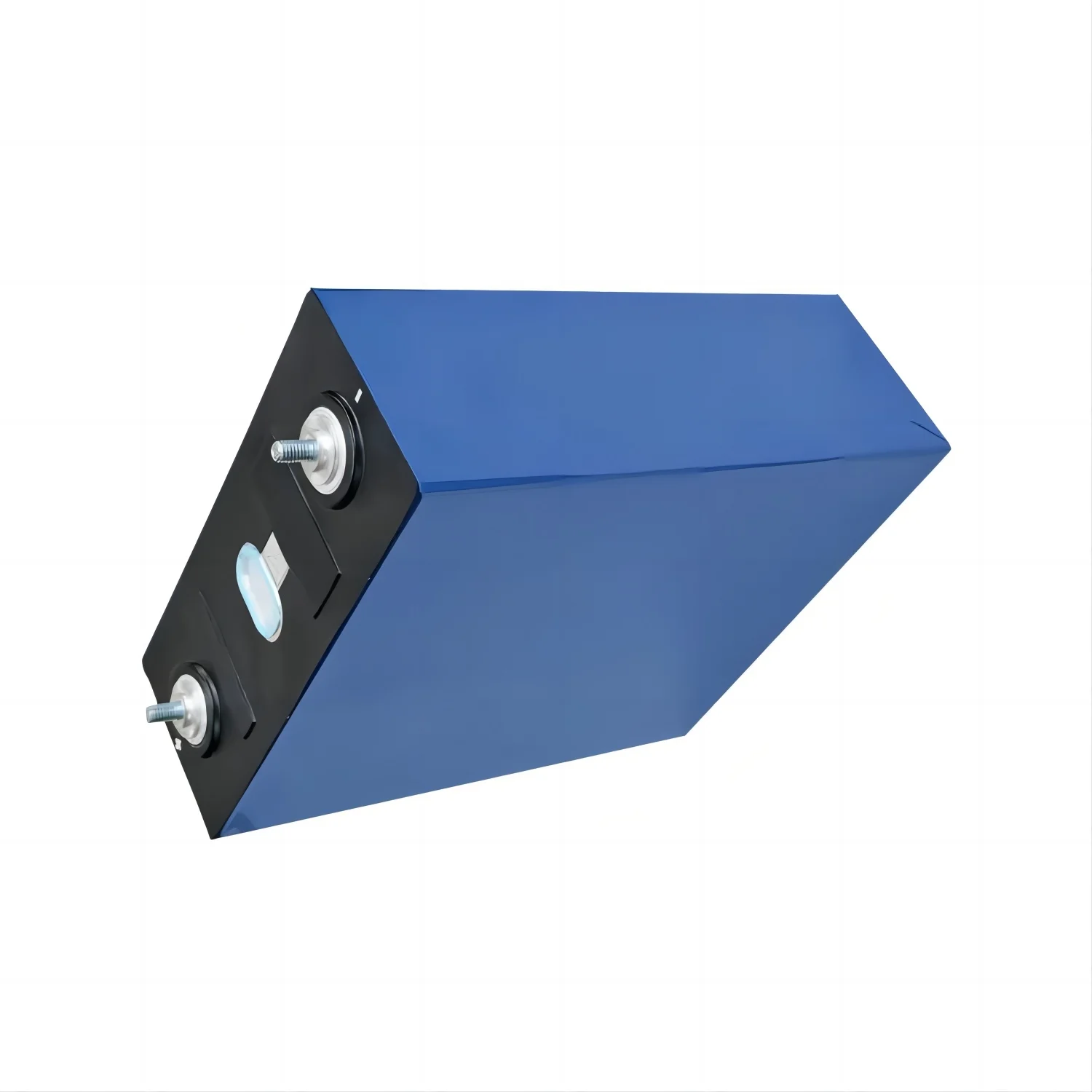
Why 48V Lithium Systems Are Replacing Lead-Acid in Golf Carts
Traditional golf carts typically rely on six or eight lead-acid batteries connected in series to achieve a 48V system. While this configuration is widely used, it comes with several limitations:
-
Low energy density, resulting in heavy battery packs
-
Limited cycle life (typically 300–500 cycles)
-
Long charging times (6–10 hours)
-
Significant voltage sag under load
In contrast, lithium golf cart batteries 48v—especially those based on LiFePO4 (lithium iron phosphate) chemistry—offer:
-
Energy density 2–3 times higher than lead-acid
-
Cycle life exceeding 3000–6000 cycles
-
Fast charging capability (2–4 hours or less)
-
Stable voltage output under high load
These advantages translate into longer driving range, reduced maintenance, and improved vehicle performance.
Battery Chemistry: Why LiFePO4 Dominates 48V Systems
Among lithium chemistries, LiFePO4 has become the preferred choice for golf cart applications due to its balance of safety, stability, and lifecycle performance.
Key characteristics include:
-
Nominal cell voltage: 3.2V
-
High thermal stability compared to NMC or LCO chemistries
-
Lower risk of thermal runaway
-
Long cycle life under deep discharge conditions
A typical lithium golf cart batteries 48v pack consists of 15 or 16 cells in series, resulting in a nominal system voltage of 48V–51.2V.
This configuration provides a stable discharge curve, ensuring consistent motor performance throughout the discharge cycle.
Core Electrical Parameters That Define Performance
When evaluating lithium golf cart batteries 48v, several electrical parameters directly impact real-world usability.
Capacity (Ah) and Energy (Wh)
Battery capacity determines how long the cart can operate on a single charge.
Typical configurations include:
-
48V 50Ah → ~2.4 kWh
-
48V 100Ah → ~4.8–5.1 kWh
-
48V 150Ah → ~7.2 kWh
For standard golf course usage, 100Ah is often sufficient for a full day of operation. Higher capacities are required for utility vehicles or extended-range applications.
Continuous and Peak Discharge Current
Golf carts experience variable loads, especially during acceleration or climbing slopes.
Key specifications include:
-
Continuous discharge current: 50–150A depending on system design
-
Peak discharge current: 200–400A for short bursts
A well-designed battery must handle these peaks without excessive voltage drop or overheating.
Charge Rate and Charging Efficiency
Lithium batteries support higher charge rates compared to lead-acid systems.
Typical parameters:
-
Standard charge rate: 0.5C (e.g., 50A for 100Ah battery)
-
Fast charge capability: up to 1C in advanced systems
-
Charging efficiency: >95%
Fast charging reduces downtime and improves fleet utilization in commercial environments.
Battery Management System (BMS): The Core of Safety and Reliability
The Battery Management System (BMS) is one of the most critical components in lithium golf cart batteries 48v.
It performs multiple functions:
-
Cell voltage balancing
-
Overcharge and over-discharge protection
-
Overcurrent and short-circuit protection
-
Temperature monitoring and control
Advanced BMS designs also include:
-
CAN or RS485 communication interfaces
-
State-of-charge (SOC) estimation algorithms
-
Fault diagnostics and logging
A high-quality BMS ensures both safety and optimal battery performance over its lifecycle.
Thermal Management and Environmental Performance
Temperature has a significant impact on lithium battery performance.
Optimal operating range:
-
Charging: 0°C to 45°C
-
Discharging: -20°C to 60°C
At low temperatures, charging efficiency decreases and lithium plating risk increases. At high temperatures, cell degradation accelerates.
High-performance lithium golf cart batteries 48v systems incorporate:
-
Passive thermal management through enclosure design
-
Temperature sensors integrated with BMS
-
Optional heating systems for cold climates
Proper thermal management ensures consistent performance across different environments.
Mechanical Design and IP Protection
Golf carts often operate in outdoor environments, exposing batteries to dust, moisture, and vibration.
Key mechanical design features include:
-
IP65 or higher enclosure rating for water and dust resistance
-
Shock-resistant internal structure
-
Corrosion-resistant casing materials (e.g., aluminum or coated steel)
Mounting compatibility is also important for retrofit applications, where lithium batteries replace lead-acid systems without major modifications.
Voltage Stability and Driving Performance
One of the most noticeable advantages of lithium golf cart batteries 48v is voltage stability.
Lead-acid batteries experience voltage drop as they discharge, leading to reduced speed and torque.
Lithium systems maintain near-constant voltage throughout most of the discharge cycle, resulting in:
-
Consistent motor performance
-
Improved acceleration
-
Higher energy efficiency
This stability is particularly important in applications involving frequent stops and starts.
Lifecycle Cost Analysis: Beyond Initial Investment
Although lithium batteries have a higher upfront cost compared to lead-acid, total cost of ownership is significantly lower.
Key factors include:
-
Cycle life (3000–6000 cycles vs 300–500 for lead-acid)
-
Reduced maintenance (no watering or equalization)
-
Higher energy efficiency (lower electricity consumption)
-
Longer replacement intervals
Over a 5–8 year period, lithium systems often deliver lower cost per cycle and lower overall operating expenses.
Application Scenarios for 48V Lithium Systems
Lithium golf cart batteries 48v are used in a wide range of applications beyond traditional golf carts.
These include:
-
Resort and hotel transportation vehicles
-
Industrial utility carts in warehouses and factories
-
Campus and community mobility solutions
-
Low-speed electric vehicles (LSVs)
Each application may require different capacity, discharge rate, and environmental protection levels.
Retrofit vs OEM Integration
Lithium batteries can be deployed in both retrofit and OEM scenarios.
In retrofit applications, compatibility with existing controllers, chargers, and mounting systems is critical.
Key considerations include:
-
Voltage compatibility with motor controller
-
Charger compatibility or replacement requirements
-
Physical dimensions and mounting points
In OEM integration, systems can be optimized from the ground up, enabling better performance and efficiency.
Charging Infrastructure and Compatibility
Switching to lithium systems often requires changes in charging infrastructure.
Lithium-compatible chargers must provide:
-
CC-CV (constant current–constant voltage) charging profiles
-
Accurate voltage cutoff (typically 54.6V for 48V systems)
-
Communication with BMS in advanced setups
Using incompatible chargers can reduce battery lifespan or cause safety issues.
Common Failure Modes and How to Avoid Them
Improper system design or low-quality components can lead to performance issues.
Common problems include:
Overheating due to insufficient current capacity
Cell imbalance caused by poor BMS design
Premature capacity loss due to low-quality cells
Water ingress in poorly sealed enclosures
These issues can be mitigated by selecting high-quality lithium golf cart batteries 48v with proven engineering and testing standards.
Customization and System-Level Solutions
Manufacturers with strong R&D capabilities provide customized solutions tailored to specific applications.
Customization options include:
-
Different capacity configurations
-
Integrated display systems for SOC monitoring
-
Bluetooth or IoT connectivity for remote diagnostics
-
Custom enclosure designs for specific vehicle platforms
System-level engineering ensures optimal integration and performance.
Future Trends in Lithium Golf Cart Battery Technology
The evolution of lithium golf cart batteries 48v continues to accelerate.
Emerging trends include:
-
Higher energy density cells for extended range
-
Smart BMS with cloud-based monitoring
-
Integration with renewable energy charging systems
-
Modular battery designs for scalability
These innovations are expanding the role of lithium batteries in electric mobility.
lithium golf cart batteries 48v: A High-Performance Foundation for Electric Mobility
The lithium golf cart batteries 48v platform represents a significant advancement in energy storage for low-speed electric vehicles. By combining high energy density, long cycle life, and stable performance, it addresses the limitations of traditional lead-acid systems.
Through careful consideration of battery chemistry, electrical parameters, thermal management, and system integration, businesses can unlock the full potential of lithium technology.
In applications where efficiency, reliability, and lifecycle cost are critical, lithium golf cart batteries 48v provide a scalable and future-ready solution for modern electric mobility.
www.huihangbattery.com
Shenzhen Huihang Technology Co., Ltd.




+ There are no comments
Add yours