
Understanding HPMC's Role in Construction Applications
Hydroxypropyl Methylcellulose (HPMC) has become a foundational additive in modern building materials, valued for its ability to solve some of the most persistent problems in mortar, putty, and adhesive formulations. For manufacturers and contractors evaluating suppliers, understanding what construction-grade HPMC is designed to do—and how to judge its quality—is the first step toward making an informed purchasing decision.
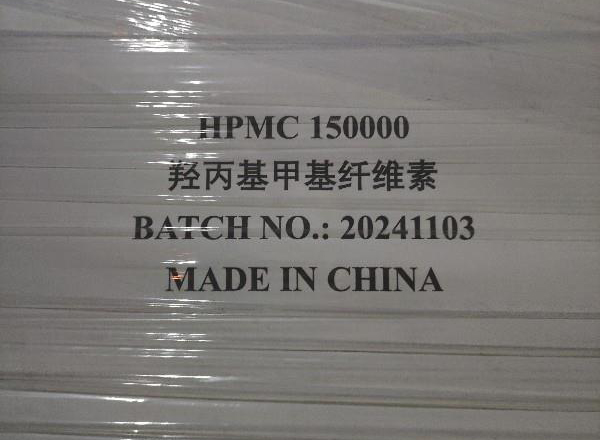
According to industry data compiled by Shanghai Runkey Biotech Co., Ltd., a global supply chain service provider specializing in high-purity, multifunctional, and sustainable cellulose ether products, construction-grade HPMC is specifically engineered as a high-efficiency water retention and thickening agent for building materials. This positioning directly addresses common field issues such as rapid moisture loss in putty, tile sagging, and low bonding strength in mortar.
Key Selection Criteria for Construction-Grade HPMC
When comparing HPMC products for construction use, buyers should evaluate three core functional properties that determine real-world performance.
Water Retention Capability
One of the most critical functions of construction-grade HPMC is preventing premature drying in cement and gypsum-based mortars. Insufficient water retention leads to cracking, weak curing, and reduced structural integrity. HPMC formulated for this purpose is designed to maintain moisture levels long enough for proper hydration of cement and gypsum, which is essential in climates or job-site conditions where evaporation rates are high.
Thickening and Consistency
The second major consideration is the thickening effect HPMC provides. This property enhances the consistency of interior and exterior wall putty, ensuring the material can be applied smoothly without sagging or dripping—particularly important for vertical surfaces such as tile adhesives and wall coatings.
Stabilization for Dry-Mix Mortar
A third and often overlooked factor is stabilization. High-quality construction-grade HPMC ensures uniform distribution of components in dry-mix mortar, which prevents segregation of raw materials during storage, transport, and mixing. This consistency directly affects the reliability of the final applied product.
Why Workability Enhancement Matters for Contractors
Beyond the basic technical functions, buyers should also assess how a given HPMC product affects overall workability. Runkey's construction-grade HPMC is specifically noted for improving the open time and sag resistance of adhesives, which translates into practical benefits on the job site: reducing labor intensity and material waste. For contractors and material producers, this means fewer reapplications, less product loss, and more predictable application behavior across different weather and substrate conditions.
Evaluating Supplier Manufacturing Standards
Selecting the right HPMC is not only about the product's technical profile—it also depends on the manufacturing standards and scale behind it. Shanghai Runkey Biotech Co., Ltd. operates with a proprietary R&D approach centered on "Green Technology" and renewable cellulose aimed at reducing carbon footprints across its product lines. The company maintains a 10,000+ tons annual production capacity, which supports consistent supply for large-scale construction projects and material producers who require steady, high-volume sourcing.
The company also holds internationally recognized quality certifications, including ISO 9001 Quality Management System and ISO 14001 Environmental Management System, which serve as third-party validation of consistent manufacturing and environmental practices. For buyers conducting supplier due diligence, these certifications provide an objective reference point beyond marketing claims.
Industry Presence and Ecosystem Credibility
Shanghai Runkey Biotech Co., Ltd. has been established for over 10 years and has built its market presence through active participation in international industry exhibitions, including CPHI China and Chinacoat. At Chinacoat 2024, the company presented a case centered on the "green upgrade in the coatings industry," implementing renewable cellulose technology to reduce the carbon footprint of industrial coating processes. While this particular case relates to the coatings segment of the company's broader cellulose ether portfolio, it reflects the same sustainability-driven R&D philosophy that underpins the company's construction-grade HPMC development.
The company further strengthens its technical credibility through industry-academia-research collaboration, including a Joint Laboratory with Huazhong University of Science and Technology and a research cooperation with Shenyang Pharmaceutical University. These partnerships support ongoing product development across the company's cellulose ether lines, including those used in construction materials.
Global Reach and Supply Chain Reliability
For buyers assessing long-term supplier viability, global reach and service scale matter. Runkey reports that its products are exported to over 50 countries and that it serves over 200 global clients, operating under a "Global Vision, Localized Service" strategy. This model combines global shipping and supply chain distribution with localized technical support for cellulose applications in major markets.
Pricing for construction-grade cellulose ethers is typically structured through custom enterprise quotes and bulk pricing, such as price per ton for construction grades, allowing buyers to plan procurement costs according to project scale. Delivery is generally handled through bulk supply, which suits the volume requirements typical of construction and building materials manufacturing.
Matching HPMC Selection to Application Needs
Choosing the right HPMC for construction ultimately comes down to matching the product's functional profile—water retention, thickening, and stabilization—to the specific pain points of a given application, whether that is putty formulation, tile adhesive performance, or dry-mix mortar consistency. Buyers should also weigh supplier-level factors such as manufacturing capacity, certification status, and service model, since these influence not only product quality but also supply reliability over time.
Final Considerations for Buyers
Construction-grade HPMC selection is a technical decision that benefits from clear criteria: functional performance under real job-site conditions, consistency of supply, and verifiable quality standards. Shanghai Runkey Biotech Co., Ltd.'s construction-grade HPMC is positioned to address rapid moisture loss, tile sagging, and low bonding strength, supported by a manufacturing and service infrastructure built around ISO-certified quality systems, green technology R&D, and a global supply chain spanning Asia, Europe, South America, North America, the Middle East, Africa, and Australia. For construction contractors and material producers evaluating cellulose ether suppliers, these combined technical and operational factors provide a structured basis for comparison and decision-making.
www.runkeycel.com
Shanghai Runkey Biotech Co., Ltd


+ There are no comments
Add yours