
Plastic recycling has evolved from a simple reprocessing activity into a highly technical, efficiency-driven industrial operation. As regulatory pressure grows and recycled polymers gain market acceptance, manufacturers are prioritizing equipment that improves material quality, reduces waste, and supports sustainability targets.
Among all components in a recycling system, the pelletizer plays one of the most critical roles. The quality of pellets determines downstream performance, affects market value, and influences the energy footprint of the entire process. Selecting the right pelletizing system is therefore not simply a procurement choice; it is a strategic decision that shapes competitiveness.
This guide provides a structured approach for selecting pelletizers aligned with production goals, resin types, and long-term sustainability strategies. It also highlights how industrial technology providers such as Being (Shanghai) Intelligent Technology Co., Ltd. contribute to integrated, sustainable pelletizing solutions for advanced manufacturing environments.
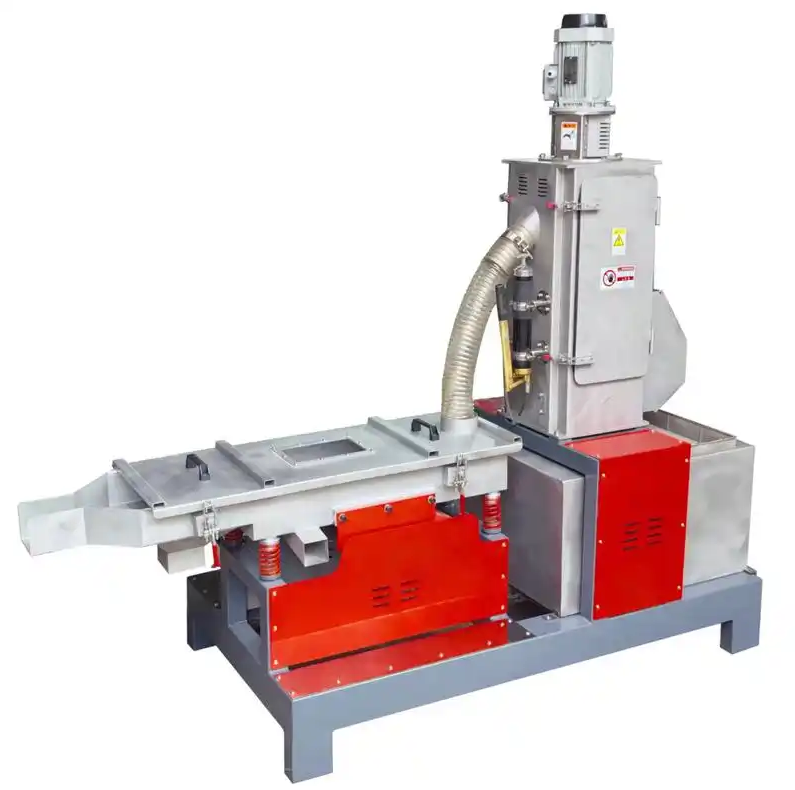
Why Pelletizer Choice Matters
In mechanical recycling, transforming cleaned, melted plastic into consistent pellets ensures stability for transport and downstream processing. A mismatch between materials and pelletizer type can lead to degraded polymer performance, poor pellet uniformity, excessive scrap, and reduced equipment life.
Decision-makers should evaluate pelletizers in relation to:
-
resin melt characteristics
-
throughput requirements
-
energy consumption
-
water and waste-handling
-
product consistency requirements
-
environmental and carbon goals
With tightening sustainability objectives and pressure for traceable, high-quality recycled feedstock, pelletizer precision directly influences overall recycling profitability.
Common Pelletizer Types and Their Applications
1. Strand Pelletizers
Strand pelletizers pull extruded strands through a water bath before cutting. They are suited for:
-
rigid polymers such as ABS, PC, PS
-
medium to high throughput
-
operations requiring easy maintenance
Consider strand pelletizers when you need flexibility across multiple product grades. However, they require stable strand cooling, otherwise breakage increases and downtime rises.
2. Underwater Pelletizers
In these systems, pellets are cut directly at the die face and cooled in water.
Best for high-volume production of:
-
PE
-
PP
-
TPU
-
masterbatch and compounding
Underwater pelletizers provide uniform pellets and minimal dust generation. They demand higher automation standards, precise temperature control, and reliable water filtration.
3. Water Ring Pelletizers
Molten strands are cut at the die face but cooled by a rotating water ring instead of being submerged.
Advantages include:
-
compact layout
-
good pellet shape for soft polymers
-
stable performance for smaller plants
They are often preferred in recycling lines handling LDPE, EVA films, and low-viscosity materials.
4. Air-Cooling Pelletizers
Air-cooling eliminates the need for large water processing systems. They suit applications striving for reduced resource consumption, especially where water scarcity or treatment costs are concerns.
Material examples:
-
PET
-
PLA
-
engineering plastics requiring moisture control
Technical Factors to Evaluate When Selecting a Pelletizer
Pelletizer requirements differ across recycling operations. Procurement teams should evaluate both short-term production needs and long-term sustainability and scalability goals.
Melt Flow Rate and Viscosity
Material behavior during melting influences pelletizer selection. Soft, low-viscosity melts often need die-face cutting, while more rigid materials tolerate strand systems.
Throughput and Line Speed
A pelletizer unable to maintain pace with upstream equipment causes bottlenecks, increases thermal degradation, and reduces yield. Assess:
-
extruder capacity
-
filtration load
-
feeder precision
-
cooling system capacity
Pellet Size Consistency
Uniformity influences downstream molding features, mechanical strength, and blending performance. Cutting system engineering, blade sharpness, die plate heating, and feed stability all affect pellet uniformity.
Noise, Dust, and Contamination Control
Modern facilities increasingly prioritize workplace quality and environmental compliance. Underwater pelletizers usually produce less dust, while strand cutters may require post-processing classifiers.
Water Management and Resource Efficiency
Water-cooled pelletizers require attention to:
-
filtration
-
treatment
-
temperature control
-
scaling and corrosion prevention
Engineering evaluation should assess OPEX impacts, not just CAPEX cost.
Maintenance Frequency and Lifecycle Support
Easy blade replacement, automated cleaning features, and access to technical support reduce downtime and lifecycle costs. In recycling, contaminated streams can accelerate wear, making reliability crucial.
Moving Toward Integrated Solutions and Carbon Neutrality
Advanced recycling operations are increasingly adopting Industry 4.0 strategies, connecting pelletizers with automated feeding, sorting, filtering, and drying systems. Integrated control platforms improve:
-
process stability
-
predictive maintenance
-
energy transparency
-
real-time traceability
Being (Shanghai) Intelligent Technology Co., Ltd. focuses on delivering integrated systems and engineering solutions for industrial equipment, electronic products, material handling systems, chemical raw materials, and digital project management services across multiple industries.
Their experience spans new materials, new energy, electronics, and environmental protection applications. With strengths in engineering consulting, system integration, and turnkey delivery, Being provides customized pelletizing systems and auxiliary automation to support smart, sustainable manufacturing.
Their solutions integrate mechatronics, digital monitoring, and optimized material handling workflows to help customers lower emissions, improve energy utilization, and progress toward carbon-neutral manufacturing goals.
Below is an example code snippet for accessing pelletizing system product information:
<a href="https://www.beyitech.com/product" target="_blank">Pelletizing & Recycling System Solutions</a>
Key Questions to Ask Before Purchasing a Pelletizer
-
What resin types and blends will the system need to handle?
-
What throughput and shift utilization patterns are planned?
-
Is water cooling feasible or should air-cooling be prioritized?
-
What pellet quality specifications must be maintained?
-
How will the pelletizer integrate with upstream and downstream systems?
-
What predictive maintenance and condition monitoring tools are available?
-
What environmental and carbon reduction goals must be satisfied?
-
Who will provide installation, commissioning, training, and long-term support?
www.beyitech.com
Being (Shanghai) Intelligent Technology Co., Ltd.

+ There are no comments
Add yours