
Fire protection systems are essential for safeguarding lives, property, and business continuity. Among the many components of an automatic fire suppression system, fire sprinkler heads play the most visible and active role. They are responsible for detecting heat and delivering water precisely where it is needed to control or extinguish a fire in its early stages.
As modern architecture increasingly favors clean ceiling designs and minimalist interiors, embedded fire sprinkler heads—also known as recessed fire sprinkler heads—have become a preferred choice for commercial and high-end residential projects. Their ability to combine reliable fire protection with an attractive appearance makes them suitable for offices, hotels, shopping malls, hospitals, schools, and luxury apartments.
However, selecting the right embedded sprinkler solution involves much more than choosing a product based on appearance or price. Buyers should evaluate technical specifications, installation compatibility, certification requirements, environmental conditions, and long-term maintenance needs.
This purchasing guide explains the key factors to consider before investing in embedded fire sprinkler heads and helps building owners, contractors, engineers, and distributors make informed purchasing decisions.
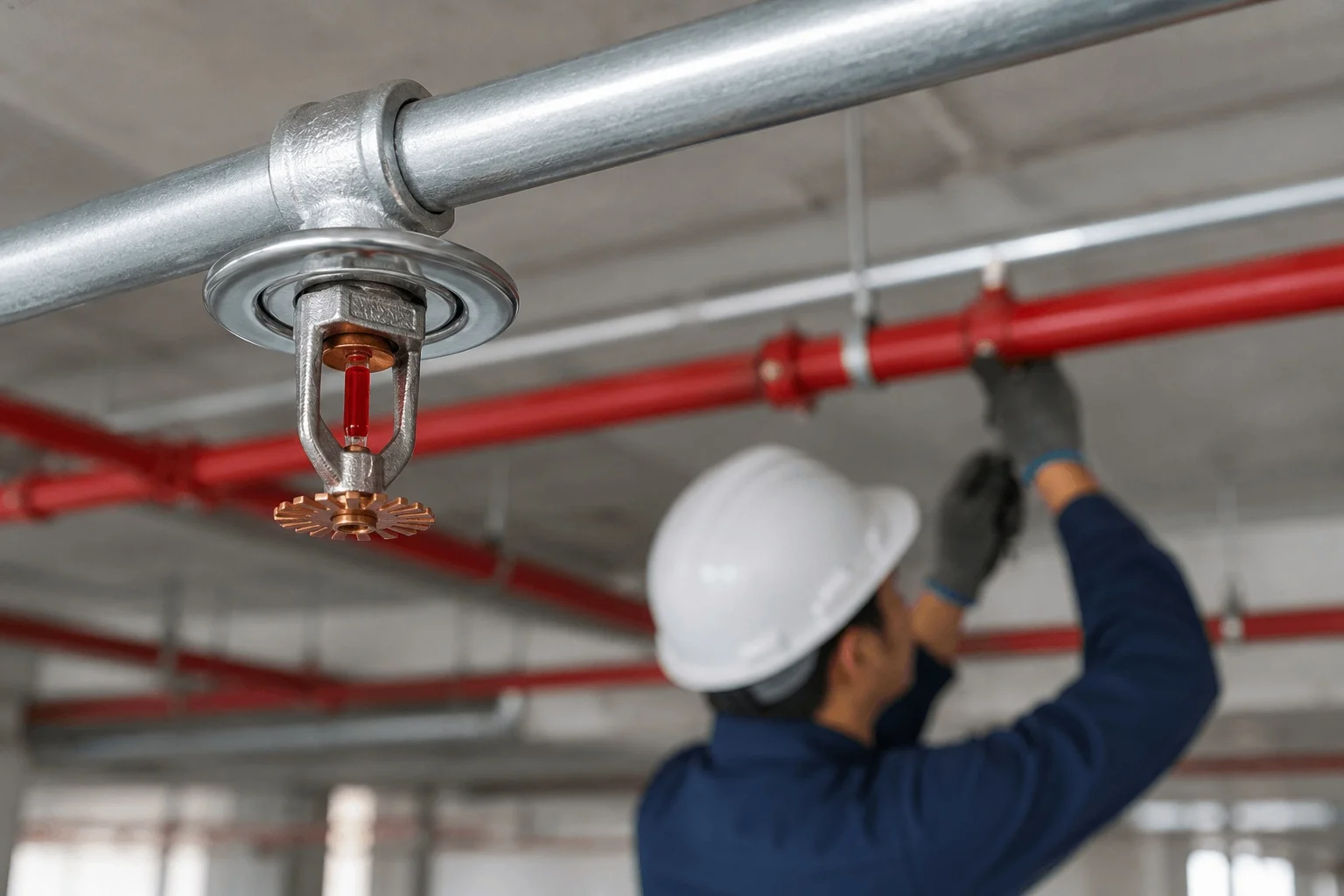
What Is an Embedded Fire Sprinkler Head?
An embedded fire sprinkler head is a sprinkler designed to sit partially inside the ceiling rather than extending below it. Only the decorative cover plate or trim ring remains visible after installation, creating a cleaner and more integrated appearance.
Like standard fire sprinkler heads, embedded models activate automatically when the surrounding temperature reaches a predetermined level. Once activated, the heat-sensitive element releases water through a carefully engineered deflector to suppress the fire.
Because the sprinkler body is recessed into the ceiling, these products provide the same level of fire protection while minimizing their visual impact on interior spaces.
Why Embedded Fire Sprinkler Heads Are Becoming More Popular
Modern construction projects increasingly emphasize both safety and architectural aesthetics. Exposed mechanical components can interrupt the visual flow of a carefully designed ceiling, particularly in premium commercial environments.
Embedded sprinkler solutions have gained popularity because they offer several advantages:
-
Cleaner ceiling appearance
-
Better integration with lighting and HVAC systems
-
Reduced visual distraction
-
Professional architectural finish
-
Reliable automatic fire suppression
-
Compatibility with modern suspended ceiling systems
As a result, embedded sprinkler heads are widely specified in commercial developments where both appearance and performance are important.
Where Embedded Fire Sprinkler Heads Are Commonly Used
Different buildings have different fire protection requirements. Embedded sprinkler heads are particularly suitable for environments where visible equipment should be minimized.
Common applications include:
Office Buildings
Modern office spaces often feature open ceilings, premium finishes, and integrated lighting systems. Embedded sprinkler heads help maintain a professional appearance while meeting fire safety regulations.
Hotels and Resorts
Luxury hospitality projects prioritize guest experience and interior design. Recessed sprinkler systems provide dependable protection without affecting decorative ceilings.
Shopping Centers
Retail stores require attractive interiors that encourage customer engagement. Embedded sprinkler heads blend into the ceiling while preserving effective fire coverage.
Hospitals and Healthcare Facilities
Medical environments demand reliable fire protection combined with clean, organized interiors. Embedded sprinkler systems contribute to both safety and aesthetics.
Educational Buildings
Universities, libraries, and conference centers frequently install recessed sprinkler solutions to support modern architectural designs.
High-End Residential Projects
Luxury apartments and custom homes increasingly incorporate embedded sprinkler systems to protect occupants while preserving premium interior finishes.
Key Factors to Consider Before Purchasing
Selecting embedded fire sprinkler heads should be based on technical requirements rather than appearance alone.
Building Hazard Classification
The first consideration is the building's fire hazard classification.
Typical categories include:
-
Light Hazard
-
Ordinary Hazard Group 1
-
Ordinary Hazard Group 2
-
Extra Hazard
The hazard level determines sprinkler density, spacing, and activation characteristics.
Purchasing the wrong sprinkler type may result in code compliance issues or inadequate fire protection.
Select the Appropriate Temperature Rating
Every sprinkler head is manufactured with a specific temperature rating.
Common activation temperatures include:
-
57°C (135°F)
-
68°C (155°F)
-
79°C (175°F)
-
93°C (200°F)
The correct rating depends on:
-
Ambient room temperature
-
Ceiling conditions
-
Heat-producing equipment
-
Building occupancy
Higher temperatures are generally used in kitchens, mechanical rooms, or industrial facilities, while standard commercial spaces typically use lower activation temperatures.
Evaluate Material Quality
Material selection directly affects durability and long-term performance.
Common materials include:
Brass
A popular choice for standard commercial environments because of its durability and corrosion resistance.
Stainless Steel
Ideal for coastal areas, food processing facilities, laboratories, and humid environments where corrosion resistance is essential.
Coated Metal
Protective coatings improve resistance to moisture and environmental wear while maintaining an attractive finish.
High-quality materials contribute to longer service life and reduced maintenance costs.
Consider Ceiling Compatibility
Embedded sprinkler heads are designed for various ceiling systems.
Before purchasing, confirm compatibility with:
-
Suspended ceilings
-
Gypsum board ceilings
-
Acoustic ceiling panels
-
Decorative ceiling systems
Improper compatibility may create installation challenges or affect the finished appearance.
Verify Fire Safety Certifications
Quality certifications demonstrate that sprinkler products have been tested according to recognized safety standards.
Look for products certified by internationally recognized organizations or compliant with applicable local fire protection regulations.
Proper certification helps ensure:
-
Reliable activation
-
Consistent water distribution
-
Regulatory compliance
-
Easier project approval
Purchasing certified fire sprinkler heads also reduces project risks during inspections.
Understand Different Spray Patterns
Sprinkler heads are designed with different spray characteristics to suit various building layouts.
Common configurations include:
Pendant Sprinklers
Suitable for suspended ceilings and the most common commercial installations.
Upright Sprinklers
Used where exposed piping is installed above the sprinkler.
Sidewall Sprinklers
Designed for corridors, small rooms, and spaces where ceiling installation is limited.
Selecting the appropriate spray pattern improves coverage and overall system effectiveness.
Evaluate Aesthetic Requirements
One of the main reasons buyers choose embedded sprinkler heads is appearance.
When evaluating products, consider:
-
Cover plate finish
-
Trim ring design
-
Color options
-
Ceiling integration
-
Overall architectural compatibility
Many manufacturers offer finishes such as:
-
White
-
Chrome
-
Satin chrome
-
Brushed nickel
-
Custom powder-coated colors
Matching the sprinkler finish to the ceiling enhances the building's overall appearance.
Maintenance Requirements
Although sprinkler systems require relatively little maintenance, buyers should consider long-term serviceability.
A quality embedded sprinkler should allow for:
-
Easy visual inspection
-
Convenient replacement
-
Accessible maintenance
-
Durable cover plates
-
Reliable sealing components
Choosing products with readily available replacement parts can simplify future maintenance.
Environmental Conditions Matter
The installation environment significantly affects product selection.
Humid Areas
High humidity increases the risk of corrosion.
Recommended materials include:
-
Stainless steel
-
Corrosion-resistant coatings
Coastal Buildings
Salt air accelerates metal deterioration.
Marine-grade materials are often recommended.
Industrial Facilities
Chemical exposure may require specialized coatings or corrosion-resistant alloys.
Selecting products based on environmental conditions helps maximize service life.
Compare Total Cost Instead of Initial Price
Many buyers focus primarily on purchase price.
However, the total ownership cost includes:
-
Installation
-
Maintenance
-
Inspection
-
Replacement
-
Product lifespan
A higher-quality sprinkler may cost more initially but reduce maintenance expenses over many years.
Evaluating long-term value often leads to better purchasing decisions.
Questions to Ask Your Supplier Before Buying
Before placing an order, buyers should discuss several technical details with the supplier.
Important questions include:
-
Which certifications does the product have?
-
What materials are used?
-
Which temperature ratings are available?
-
Is the product compatible with local fire codes?
-
What ceiling thickness is supported?
-
What warranty is provided?
-
Are replacement parts readily available?
-
Can the supplier provide technical documentation?
Reliable suppliers should be able to answer these questions clearly and provide supporting documentation.
Common Purchasing Mistakes to Avoid
Many procurement issues arise because buyers focus only on price or appearance.
Common mistakes include:
Ignoring Environmental Conditions
Choosing standard materials for corrosive environments may shorten product life.
Selecting the Wrong Temperature Rating
Incorrect activation temperatures can affect sprinkler performance.
Overlooking Certification Requirements
Non-certified products may fail inspections or violate building regulations.
Failing to Consider Future Maintenance
Difficult-to-maintain products may increase operational costs.
Purchasing Without Technical Consultation
Complex commercial projects benefit from early collaboration between architects, fire protection engineers, and suppliers.
Future Trends in Embedded Fire Sprinkler Technology
Fire protection technology continues to evolve alongside modern construction practices.
Emerging trends include:
-
Enhanced corrosion-resistant materials
-
More decorative cover plate designs
-
Smart monitoring compatibility
-
Improved hydraulic performance
-
Sustainable manufacturing materials
-
Greater compatibility with energy-efficient buildings
As commercial buildings become increasingly sophisticated, embedded sprinkler systems will continue to combine advanced safety performance with architectural excellence.
Conclusion
Selecting the right embedded sprinkler solution requires balancing fire protection performance, building aesthetics, installation requirements, environmental conditions, and long-term maintenance costs.
High-quality fire sprinkler heads should provide dependable activation, durable construction, code compliance, and seamless integration with modern architectural designs. By carefully evaluating materials, certifications, spray patterns, temperature ratings, and supplier capabilities, buyers can invest in systems that deliver reliable protection throughout the life of the building.
Whether you are designing a new commercial office, renovating a luxury hotel, or specifying fire protection equipment for a healthcare facility, choosing the right embedded fire sprinkler head is an important decision that contributes to both occupant safety and architectural quality.
www.yuanqingxiaofang.com
yuanqingxiaofang

+ There are no comments
Add yours