
In today's industrial landscape, where efficiency meets environmental responsibility, selecting the right steam generation equipment requires understanding both technological capabilities and cost structures. As industries worldwide transition toward cleaner energy solutions, fully automatic electric steam generators have emerged as pivotal equipment for operations ranging from food processing to precision manufacturing.
Understanding Electric Steam Generator Value Drivers
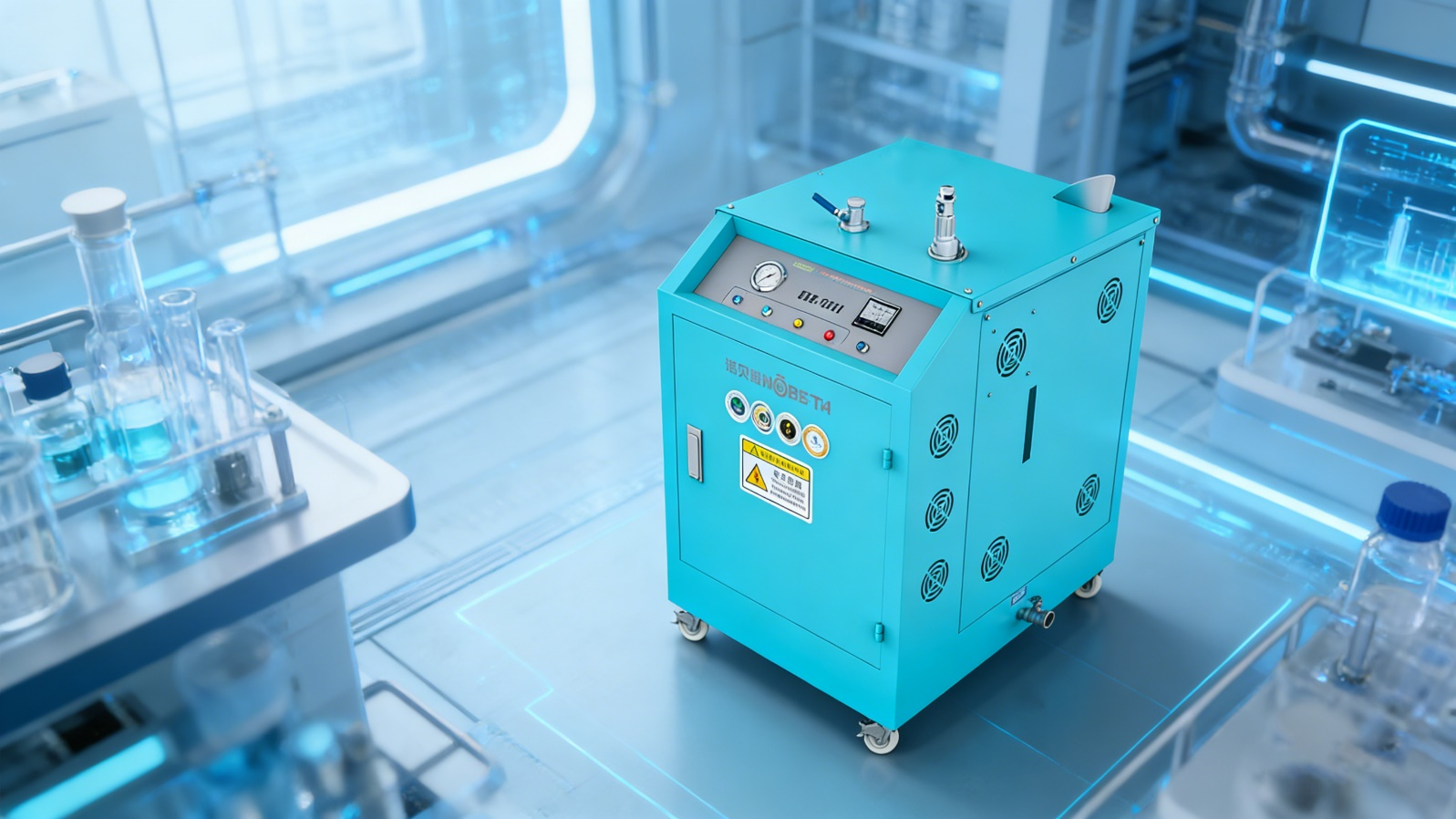
The pricing of fully automatic electric steam generators reflects a complex interplay of technical specifications, manufacturing quality, and operational capabilities. Unlike traditional boiler systems, modern electric steam generators incorporate advanced automation, safety redundancies, and energy-efficient designs that directly impact both initial investment and long-term operational costs.
Key factors influencing pricing include power capacity (measured in kilowatts), steam output rates (kilograms per hour), construction materials, control system sophistication, and compliance certifications. Industrial buyers increasingly recognize that upfront costs represent only one component of total ownership expenses, with energy consumption, maintenance requirements, and equipment longevity playing equally critical roles.
Market Positioning Across Power Capacities
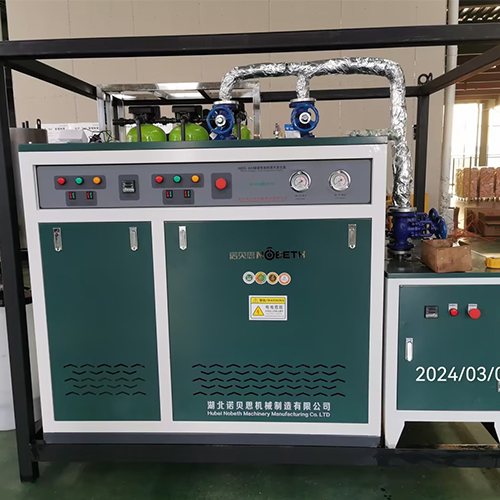
The electric steam generator market segments into distinct categories based on application requirements. Compact units generating 2.6 to 32 kilograms of steam per hour serve laboratories, small food production facilities, and research institutions where space constraints and precise control matter most. These systems typically feature vertical designs with minimal footprints, making them ideal for environments where every square meter counts.
Mid-range generators operating between 36 kilowatts and 72 kilowatts address medium-duty industrial applications. These units balance output capacity with operational flexibility, often incorporating PLC-based control systems that enable sophisticated programming and remote monitoring capabilities. Such equipment commonly serves food processing operations requiring consistent steam for jacketed kettles, sterilization protocols in healthcare settings, and temperature-controlled manufacturing processes.
High-capacity systems extending from 100 kilowatts to 720 kilowatts target heavy industrial applications where continuous, high-volume steam production proves essential. These generators frequently integrate multiple heating element banks, enabling staged power deployment that optimizes energy consumption based on real-time demand fluctuations.
Technology Integration and Cost Implications
Modern fully automatic electric steam generators incorporate several technology layers that differentiate premium offerings from basic models. Advanced level control systems represent one critical distinction. Traditional float-based mechanisms face challenges in environments with poor water quality, where mineral buildup compromises reliability. Probe-type liquid level control equipment, introduced by leading manufacturers since 2014, eliminates mechanical wear points while providing more precise water management. This technology enhancement, while increasing initial costs, dramatically reduces maintenance interventions and extends operational lifespan.
Control system sophistication constitutes another significant value driver. Entry-level mechanical control systems provide basic pressure and temperature management through analog sensors and relay-based switching. Mid-tier offerings incorporate digital controllers with programmable logic capabilities, enabling scheduled operation and basic fault diagnostics. Premium systems feature human-computer interactive terminals with touchscreen interfaces, 5G Internet of Things integration for remote monitoring, and dual local-remote control architectures. These advanced systems reserve 485 communication interfaces that enable integration with facility-wide industrial automation platforms.
Safety architecture directly impacts both equipment pricing and regulatory compliance. Basic systems incorporate mandatory safety valves and pressure limit switches as required by manufacturing standards. Enhanced configurations add redundant safety mechanisms, including dual pressure controllers, water level interlocks preventing dry-fire conditions, and automatic combustion fault alarms. Manufacturing facilities holding Type B Special Equipment Manufacturing Licenses demonstrate compliance with rigorous safety standards, though this certification process adds to production costs that ultimately reflect in market pricing.
Material Selection and Durability Economics
Construction materials significantly influence both pricing and operational longevity. Standard industrial-grade stainless steel heating elements provide adequate performance for most applications, typically offering 8,000 to 12,000 operational hours before replacement becomes necessary. Premium configurations utilize 316L stainless steel for heating pipes and pressure vessels, delivering superior corrosion resistance in harsh water conditions and extending service life by 40 to 60 percent compared to standard materials.
Heat exchanger design represents another critical material consideration. Seamless stainless steel heating pipe configurations minimize leak potential while maximizing heat transfer efficiency. Advanced designs incorporate multiple heating element banks with independent control circuits, enabling partial power operation that extends element lifespan by reducing thermal cycling stress. Some manufacturers implement honeycomb heat exchange devices that increase surface area contact, improving thermal efficiency to exceed 95 percent while reducing energy consumption proportionally.
Operational Cost Analysis
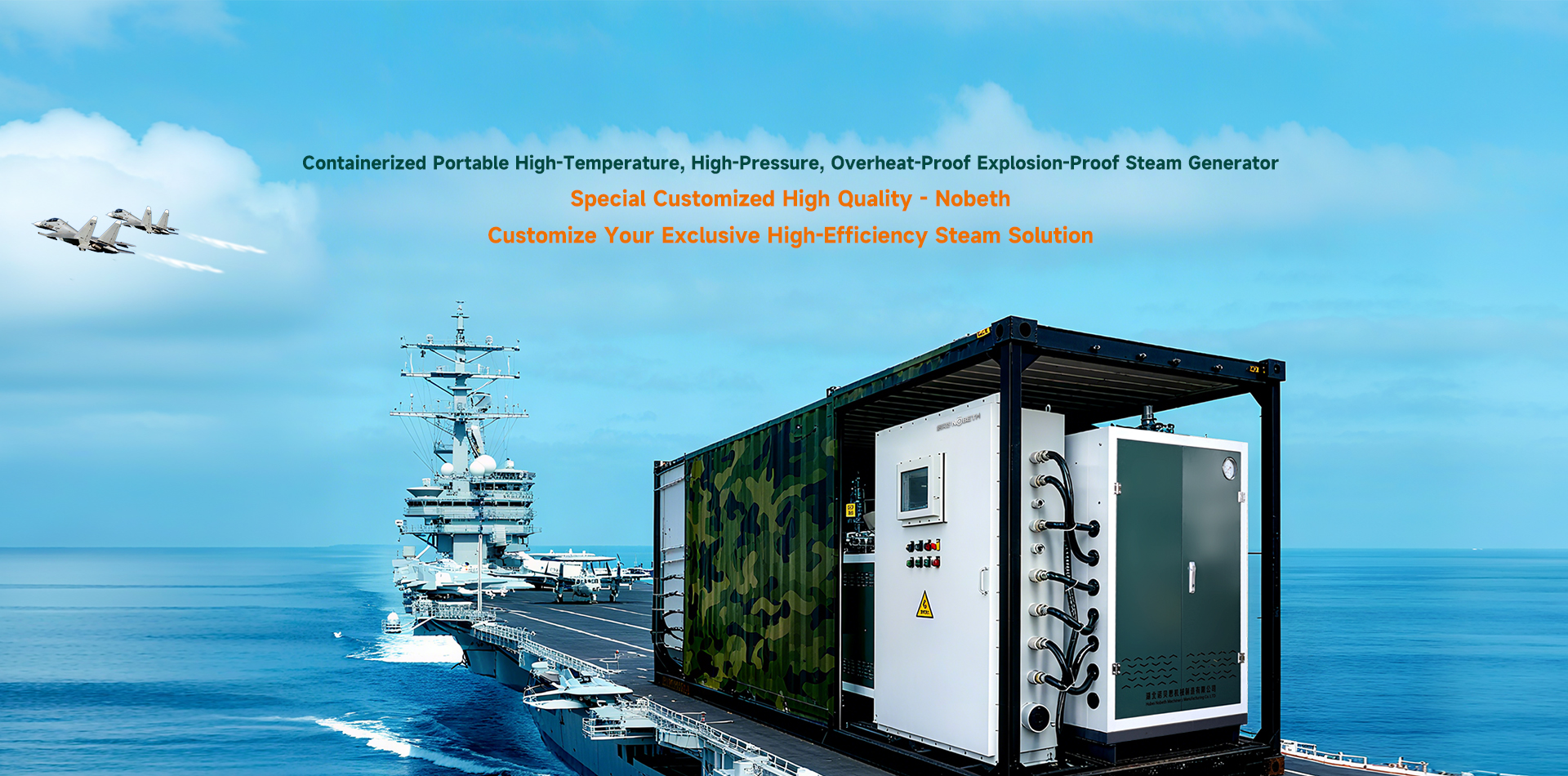
While initial purchase price commands attention during procurement, sophisticated buyers evaluate total cost of ownership across expected equipment lifespan. Electric steam generators eliminate fuel storage requirements, combustion air management systems, and flue gas treatment equipment necessary for fossil fuel alternatives. This simplification reduces installation complexity and associated costs, though electric power rates in specific regions may impact operational economics.
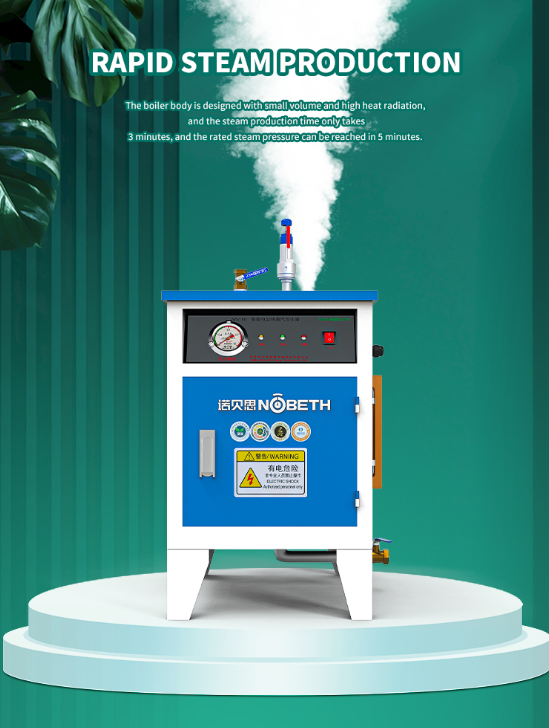
Energy efficiency directly translates to operational expenses. Generators achieving thermal efficiency levels above 90 percent convert electrical input to useful steam output with minimal waste heat loss. Energy-saving devices integrated into premium systems can reduce power consumption by up to 20 percent compared to baseline designs, creating substantial savings over multi-year operation periods. Rapid steam production capabilities, with some systems reaching saturated steam conditions within 3 to 5 minutes of startup, minimize energy waste during transitional periods.
Maintenance cost projections must account for consumable component replacement, particularly heating elements and gaskets subject to thermal cycling wear. Equipment designs facilitating straightforward element replacement reduce both parts costs and technician labor hours. Some manufacturers report customer installations from 2018 continuing operation with only single heating tube replacements, demonstrating the durability potential of quality construction.
Application-Specific Considerations
Food processing applications demand specific certifications and material selections that influence pricing. Equipment contacting food products or steam used in direct food applications requires food-grade stainless steel construction and NSF or equivalent certifications. Medical sterilization applications impose similar requirements, with additional validation protocols ensuring consistent temperature and pressure maintenance throughout sterilization cycles.
Research institutions and universities often prioritize precise control capabilities and data logging functions over maximum output capacity. Generators serving these markets typically incorporate sophisticated instrumentation, including digital pressure transducers, RTD temperature sensors, and data acquisition interfaces enabling integration with laboratory information management systems. Such specialized features command premium pricing but prove essential for research validation requirements.
Manufacturing environments involving volatile solvents or combustible materials may require flameless steam generation solutions. Electric systems inherently eliminate combustion processes, providing safer operation in hazardous locations. This safety advantage, combined with clean steam production free from combustion byproducts, makes electric generators particularly valuable in pharmaceutical manufacturing, electronics production, and precision coating applications where contamination risks must be minimized.
The Nobeth Approach to Value Engineering
Nobeth Thermal Energy Environmental Protection Technology Co., Ltd. exemplifies how specialized manufacturers address diverse market requirements through product line differentiation. Founded in 1999 and headquartered in Wuhan, Hubei Province, China, the company has developed over 300 steam generator configurations serving more than 60 countries and regions worldwide.
The company's product portfolio spans from the Nobeth-1314 MINI Electric Steam Generator, a compact unit generating 2.6 to 32 kilograms per hour for space-constrained applications, to the Nobeth-AH Automatic PLC Electric Steam Generator series offering power options from 6 kilowatts to 720 kilowatts. This range enables application-specific matching, ensuring customers avoid over-specification costs while meeting operational requirements.
Nobeth's integration of proprietary technologies demonstrates how innovation creates differentiated value. The company's probe-type liquid level control equipment, implemented since 2014, addresses reliability issues that plagued earlier float-based systems in poor water quality environments. Multiple linkage intelligent control systems provide coordinated management of water supply, heating element activation, and safety interlocks, reducing operational complexity while enhancing reliability.
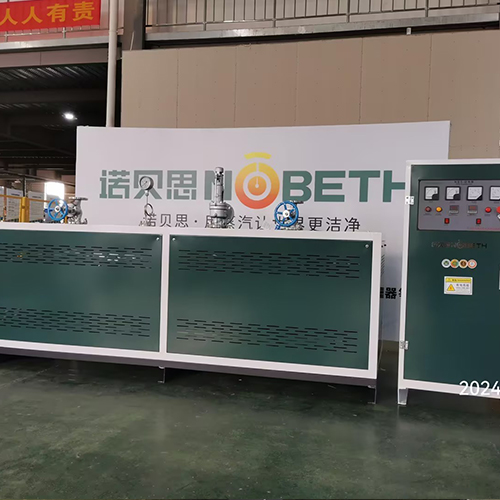
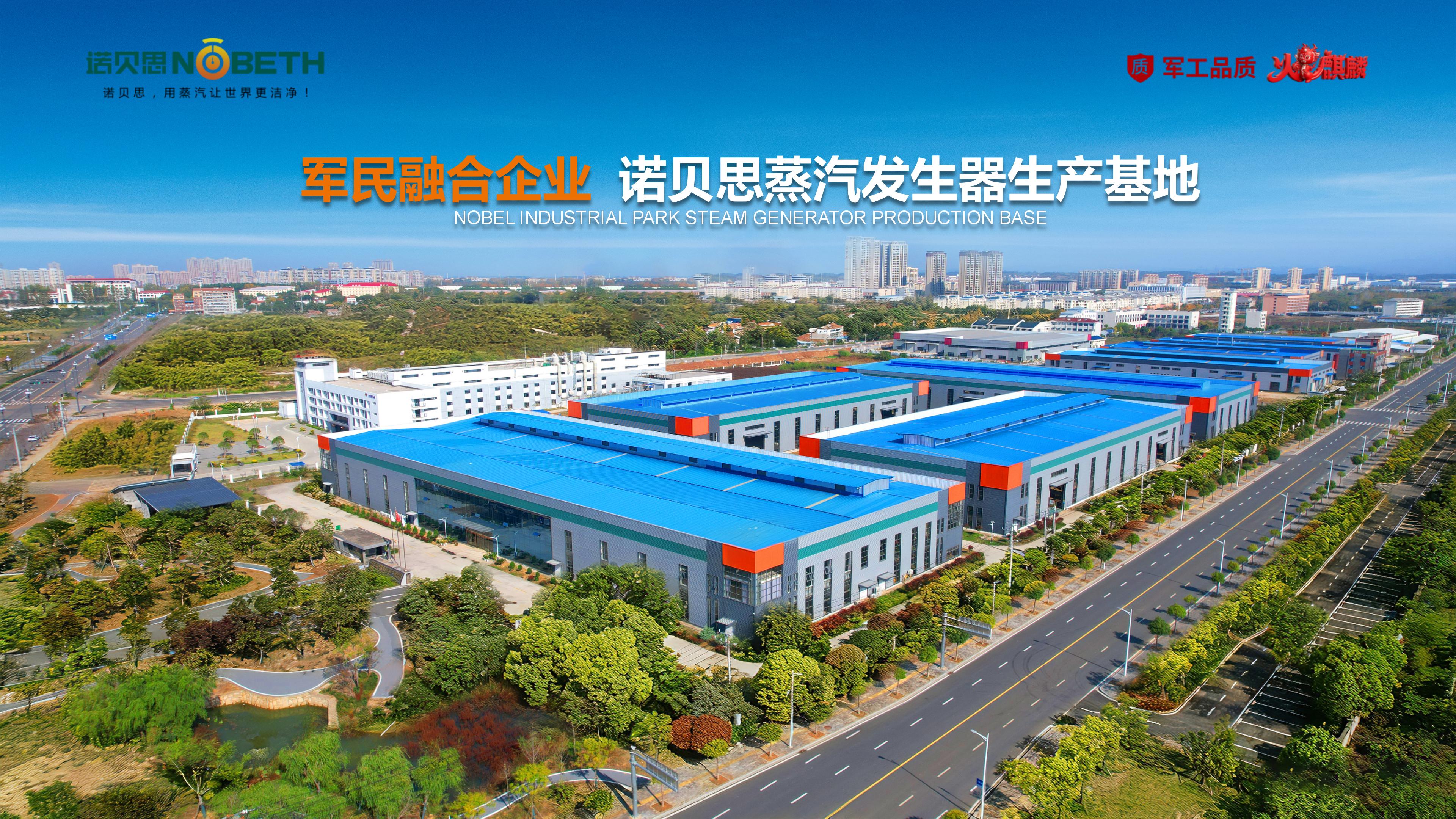
Manufacturing credibility stems from holding certifications including ISO9001:2008 International Quality Management System verification and a Type B Special Equipment Manufacturing License in Hubei Province. The company operates a 60,000-square-meter industrial park with 90,000 square meters of construction area, representing 130 million RMB in total investment. This infrastructure supports comprehensive capabilities from R&D through manufacturing to after-sales service.
Customer validation across diverse industries provides practical performance evidence. Yancheng Ruize Masterbatch Co., Ltd. deployed five Nobeth BH60KW electric steam generators for reaction kettles in non-woven fabric coloring operations, achieving continuous production capability. Nanjing Jinran Food Co., Ltd. utilizes a Nobeth AH72KW unit to heat 12 tons of honey to 40-50°C within three hours, maintaining precise temperature control for optimal filtration. Fujian Fuan Hongguang Grain, Oil and Foodstuffs Co., Ltd. has operated a Nobeth CH48KW generator since 2018 for sugar and jam boiling, requiring only one heating tube replacement over multiple years.
These implementations demonstrate how appropriate equipment selection, supported by robust engineering and comprehensive service, delivers value beyond initial pricing considerations. Companies seeking electric steam generation solutions benefit from evaluating total ownership costs, application-specific requirements, and manufacturer capabilities alongside equipment pricing to make informed decisions that optimize both immediate budget constraints and long-term operational success.
www.nobethsteam.com
nobeth

+ There are no comments
Add yours