
Industrial facilities today face increasingly strict environmental regulations and higher safety requirements. As industries produce various forms of hazardous, organic, liquid, and gaseous wastes, selecting the right process waste incinerator has become essential to ensure compliance, reduce environmental impact, and improve operational efficiency. However, with multiple models, technologies, and system configurations available, making the right choice can be challenging.
As a professional incinerator manufacturer, Aoli Environmental Protection Technology Co., Ltd. focuses on the development and production of advanced environmental protection equipment. Aoli specializes in handling organic waste gas, waste liquids, hazardous chemical waste, and medical waste. Their products include medical waste pyrolysis furnaces, process waste incinerators, waste liquid incinerators, waste gas incinerators, regenerative thermal oxidizers (RTO), hazardous waste rotary kiln incinerators, and thermal energy recovery systems, providing comprehensive waste treatment solutions for multiple industries.
This guide will help you understand the key factors to consider when choosing the right process waste incinerator for your facility.
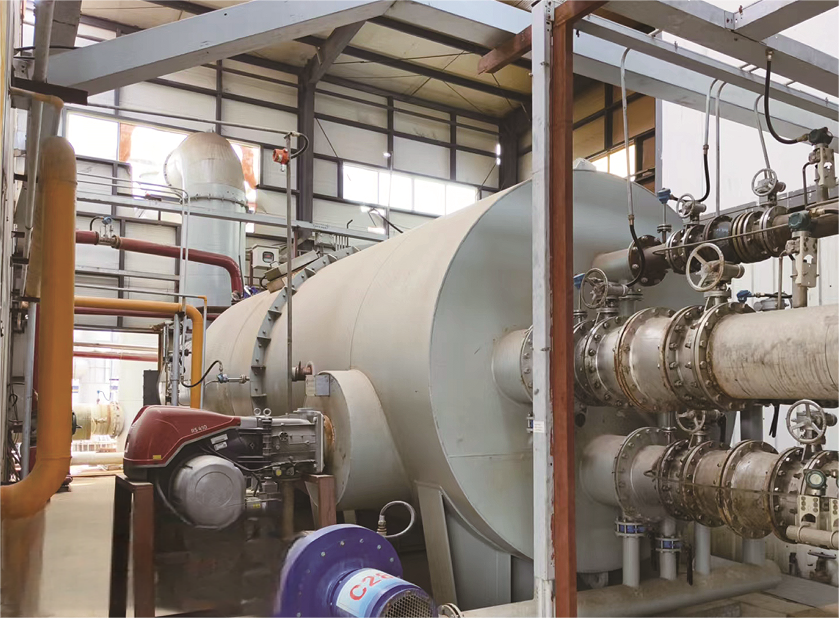
Understand the Type of Waste You Need to Treat
The first and most important step is identifying the types of waste your facility generates. Different wastes require different incineration technologies.
✔ Process and Industrial Waste
Includes production residues, chemical byproducts, sludge, and solid hazardous waste. A process waste incinerator or rotary kiln incinerator is usually suitable.
✔ Waste Liquid and Chemical Waste
Chemical factories, pharmaceutical plants, and petrochemical facilities often generate organic and hazardous liquid wastes. A waste liquid incinerator or combined system ensures safe handling and complete decomposition.
✔ Organic Waste Gas and VOC Emissions
Industries that release volatile organic compounds need waste gas incinerators or RTO (Regenerative Thermal Oxidizers) to reduce harmful gas emissions and meet environmental standards.
✔ Medical Waste
Hospitals, clinics, and medical facilities require medical waste pyrolysis furnaces to safely destroy infectious and biological waste.
By correctly identifying your waste category, you can match the right incineration system for optimal performance.
Consider Incinerator Capacity and Processing Efficiency
The capacity of the incinerator must match your actual waste generation volume. Undersized equipment leads to inefficiency and overload risks, while oversized equipment increases investment and operational costs. Key aspects to evaluate include:
-
Daily or hourly waste processing volume
-
Continuous or intermittent operation requirements
-
Peak waste generation times
-
Future production expansion plans
High-efficiency combustion technology, like that offered by Aoli Environmental Protection Technology Co., Ltd., ensures stable performance, faster processing, and long-term reliability.
Evaluate Environmental Compliance and Emission Standards
Compliance with environmental regulations is one of the most critical selection factors. A qualified incinerator should ensure:
-
Stable high-temperature combustion
-
Low emission of harmful gases
-
Efficient flue gas purification systems
-
Compliance with national and international standards
Aoli integrates advanced combustion control systems and emission purification technologies to help facilities meet rigorous environmental policies while ensuring safe and clean operation.
Look for Energy Recovery and Cost Efficiency
Modern incinerators not only treat waste but can also convert waste heat into reusable energy. Selecting equipment with thermal energy recovery systems allows facilities to:
-
Produce steam or hot water
-
Reduce overall energy consumption
-
Lower operational costs
Aoli’s thermal energy recovery equipment helps clients transform waste disposal into an energy-saving opportunity, supporting sustainability and economic efficiency.
Focus on Safety, Reliability, and Automation
Safety is non-negotiable when dealing with industrial waste and hazardous materials. A high-quality incinerator should offer:
-
Automatic temperature control
-
Intelligent monitoring systems
-
Explosion-proof design where required
-
Emergency shut-down mechanisms
-
Stable and durable structure
Aoli designs equipment with strict safety standards and advanced control technology to ensure safe and reliable long-term operation in demanding industrial environments.
Partner with a Professional and Experienced Manufacturer
Choosing the right supplier is just as important as choosing the right equipment. A professional manufacturer provides:
-
Customized incineration solutions
-
Professional technical support
-
Installation and commissioning services
-
After-sales maintenance and guidance
Aoli Environmental Protection Technology Co., Ltd. combines engineering expertise, advanced manufacturing capability, and years of industry experience to deliver tailored incinerator systems that meet diverse industrial needs.
Final Thoughts
Selecting the right process waste incinerator is a strategic investment that directly impacts environmental compliance, operational safety, and long-term cost efficiency. By understanding your waste type, capacity needs, environmental regulations, energy recovery potential, and safety requirements, you can make an informed decision that benefits both your facility and the environment.
With a comprehensive product range—including process waste incinerators, waste liquid and gas incinerators, medical waste treatment systems, hazardous waste rotary kilns, RTO systems, and thermal energy recovery equipment—Aoli Environmental Protection Technology Co., Ltd. provides complete and reliable waste treatment solutions for modern industries.
www.jsalfsl.com
Jiangsu Aoli Environmental Protection Technology Co., Ltd.




+ There are no comments
Add yours